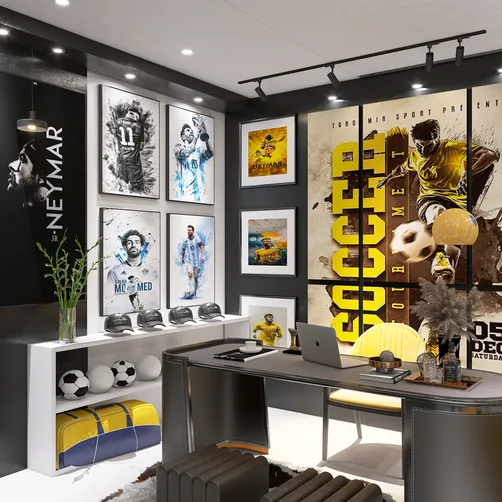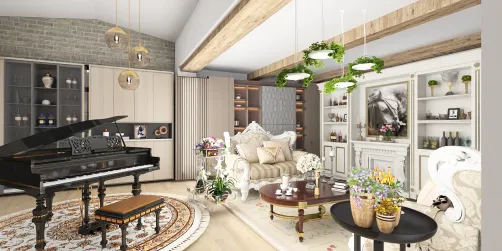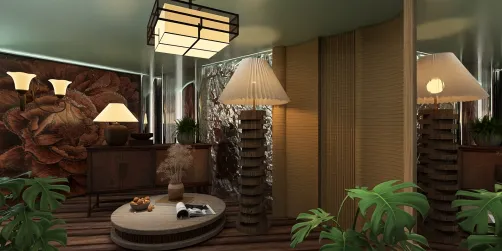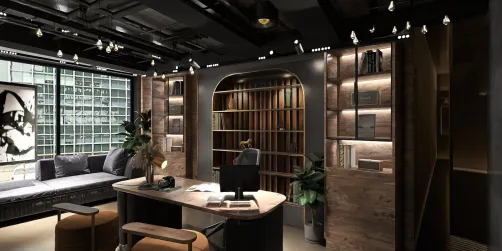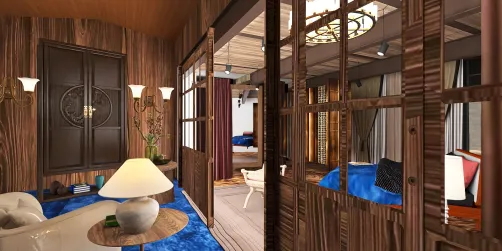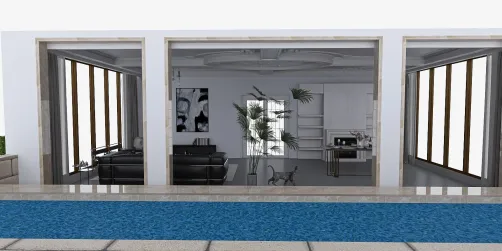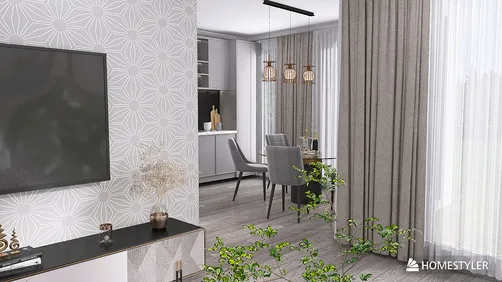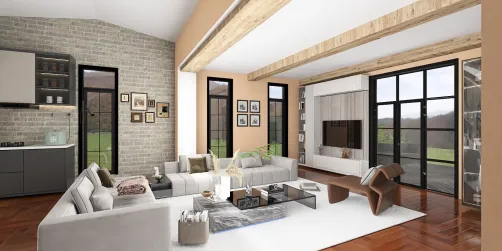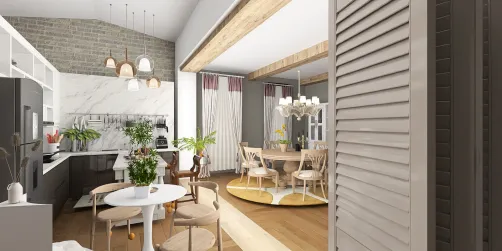
In a past project, a client challenged the conventional concept of office design by wanting their cubicles to resemble cozy cafés — a blend of openness, brightness, and an unusual calmness. They requested doors that would strike a balance between visibility and privacy, prompting me to rethink the influence that a simple door can have on the overall atmosphere of a workspace. This led to some innovative solutions in spatial organization and sound control. For quick visual references, I often guide teams to explore office layout ideas, particularly when we start sketching our first drafts.
1. Sliding frosted glass doors
For allowing natural light to permeate workspace aisles while ensuring visual privacy, sliding frosted glass doors are an excellent choice. These doors not only add a contemporary aesthetic but also maximize the efficiency of shared lighting. They are quite user-friendly; however, the investment in quality frosted glass and associated hardware can be considerable, and a sturdy track is essential to minimize noise during use. Utilizing Homestyler can help visualize these in office designs.
save pin
2. Half-height doors with acoustic tops
Half-height doors maintain an open feel in the office and promote proper ventilation. By incorporating an acoustic topper, which is a removable panel, employees can enjoy a necessary sound barrier during concentrated work. This option is cost-effective; however, it may not provide complete sightline blockage, so combining them with desk screens can enhance focus. Homestyler can be a useful tool when conceptualizing these designs.
save pin
3. Pocket or bi-fold doors for tight corridors
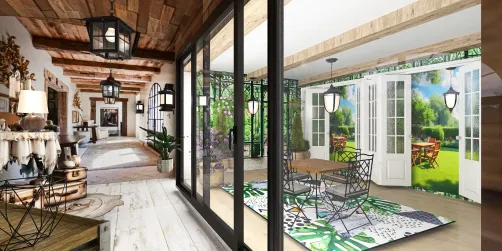
In situations where there isn’t much room for traditional swinging doors, I have successfully integrated pocket or bi-fold doors into cubicle entrances, resulting in better movement flow and fewer accidental collisions. Installing these can be tricky, as pocket doors require sufficient wall depth or creative casing. I typically create a mock-up during the layout phase to avoid unforeseen challenges and explore practical door positioning through Homestyler.
save pin
4. Fabric or magnetic panel curtains
For teams working with a limited budget, magnetic fabric panels or heavy curtains are transformative solutions: they offer instant privacy, can be easily laundered or replaced, and their soft texture aids in reducing echo. While they may lack the durability or soundproofing of solid doors, they offer the flexibility needed for dynamic teams and quick office reconfigurations, which can be easily illustrated using Homestyler.
save pin
5. Full-height solid doors with vision strips
When privacy is paramount, such as in legal, HR, or finance departments, full-height solid doors with slim vision strips are my preferred option. They offer superior visual and acoustic privacy while blending seamlessly with existing cabinetry. Key considerations include the costs, ensuring proper ventilation, and compliance with emergency exit regulations. If you’re exploring various partition styles, it’s beneficial to review concepts like privacy glass partitions for added insight, with resources like Homestyler providing visualization options.
save pin
FAQ
Q: What door type gives the best balance of light and privacy?
A: Sliding frosted glass doors provide an excellent balance, allowing daylight while maintaining privacy. They might be slightly more expensive but contribute significantly to ambiance and employee satisfaction.
Q: Are sliding doors noisy in a busy office?
A: When properly installed with soft-close mechanisms, sliding doors can be surprisingly quiet; however, lower-end tracks may produce noise, so it’s wise to invest in quality rollers and perform regular lubrication.
Q: How much should I budget per cubicle door?
A: Prices can vary significantly—fabric panels may cost under $100, half-doors between $200–500, while custom glass or solid doors can range from $500 to $1500+, including hardware. I always recommend allocating an additional 10–15% for unexpected installation expenses.
Q: Can doors improve office acoustics?
A: Absolutely! Solid doors with proper seals provide the best sound isolation, while softer materials can reduce echo. For maximum effect, pair doors with sound-absorbing ceiling or wall elements.
Q: Do cubicle doors need to meet fire and egress codes?
A: Yes, any door that impacts exit pathways must adhere to local building codes and the NFPA 101 life safety standards (check NFPA.org for details). I always verify code requirements early in the design process to minimize costly revisions.
Q: How do I measure for a retrofit cubicle door?
A: Measure the clear opening width and headroom, noting any obstructions (such as springs or ducts), and sketch the surrounding panels. I often create a mock-up to confirm swing or pocket space before placing an order.
Q: Are pocket doors a good DIY project?
A: Pocket doors can be tackled as a DIY project if your wall cavity is unobstructed and you’re confident with framing. However, for fire-blocking and smooth functionality, I recommend professional installation to avoid costly errors.
Q: What’s the quickest way to test a door idea in our office?
A: Create a low-cost prototype—hang a curtain, install a temporary panel, or outline a footprint for a pocket door—then live with it for a week to gather team feedback. I've found that practical use often reveals issues that sketches may overlook.
save pin
Discover the magic of home design with Homestyler! This user-friendly platform offers an intuitive online design tool, stunning 3D renderings, and a wealth of inspiring design projects. Plus, with helpful DIY video tutorials, you can effortlessly create your dream space, whether you're a novice or an expert!