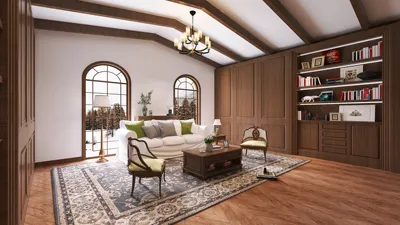


In one memorable case, a client requested that their sofa be aligned with the dining table to enjoy watching TV together during meals. At first, I chuckled, but then it struck me — such unique ideas often fuel the most innovative designs. In compact apartments, merging living and dining spaces isn't merely a necessity; it's an opportunity for creativity. Today, I’d like to share 10 innovative ideas for living and dining areas that I’ve implemented in various projects, aimed at making small spaces feel spacious, functional, and stylish. A well-thought-out layout can truly transform your area even before the furniture is in place, especially when considered alongside tools like Homestyler.
1. Utilize a Rug to Delimit Spaces
I find that area rugs are perfect for subtly delineating the boundaries between living and dining areas. This technique is not only simple and budget-friendly but it also gives your layout a more deliberate feel. Just be cautious about mixing textures — an overload of patterns may be visually overwhelming.
2. Opt for Multipurpose Furniture
Furniture that serves multiple functions, such as a dining table that also works as a desk, or a bench that conceals storage, can be incredibly practical. In one cozy loft, we successfully combined a family dining area with a mini workspace within just 10 square meters. However, maintaining tidy surfaces is essential for ensuring a visually appealing setup.
3. Explore Vertical Storage Solutions
Don't overlook the potential of your walls! Installing floating shelves or wall-mounted cabinets can free up valuable floor space. In a previous project, I cleverly positioned tall, slim shelving between the sofa and dining table to serve both as storage and a visual barrier — an excellent way to optimize vertical space and functionality.
4. Incorporate Flexible Lighting
Layered lighting, such as pendant lights above the dining table and floor lamps near the sofa, can create an inviting atmosphere while helping to separate different areas. Just be careful; using too many different lighting styles can lead to chaos. A consistent design finish can unify the space.
5. Implement a Console Table as a Divider
This approach is extremely effective in open floor plans. A slender console table positioned behind the sofa can hold decorative items, serve as a buffet area, and subtly differentiate the living and dining sections. During the design process, I often adjust layouts using digital floor plans, such as those from Homestyler, to ensure proportions feel balanced before finalizing the design.
6. Maintain a Cohesive Color Scheme
Color plays a vital role in smaller, combined spaces, influencing the overall flow of the room. Select two or three primary colors and echo them throughout both areas. This strategy not only gives a sense of spaciousness but also creates a serene ambiance. However, be cautious of using too many similar shades, which can make the space feel monotonous; adding an accent color can bring vitality.
7. Introduce Sliding or Glass Partitions
If you desire separation without sacrificing natural light, consider using sliding glass doors or partial partitions. These elements offer versatility and bring a contemporary flair. Just remember, glass requires maintenance to keep it clean!
8. Experiment with Back-to-Back Layouts
Positioning the back of the sofa toward the dining table can effectively delineate the spaces. This design works particularly well in studio apartments. Nonetheless, it’s crucial to allow enough room for comfortable movement around the areas.
9. Ensure Furniture is Mobile
Furniture on wheels is a major plus! Items like rolling carts, movable dining chairs, or lightweight lounge chairs can make the space adaptable for gatherings or quiet evenings. In one of my projects, a mobile island transformed from prep space during the day to a buffet area at night, thanks to a smart kitchen layout adjustment.
10. Accentuate Views with Decorative Elements
Utilize artwork, greenery, or statement lighting to guide the viewer’s eye and define sections. A large plant strategically placed between the sofa and dining area can serve a dual purpose — it can be both a beautiful visual element and enhance air quality in your compact space.
FAQ
Q: What is considered too small for a combined living and dining area?
A: I've successfully designed functional living-dining combinations in spaces as small as 12 square meters. The key lies in thoughtful planning and the use of multifunctional furniture.
Q: Is minimalism a must in these designs?
A: Absolutely not! You can embrace a variety of styles; just ensure a cohesive theme that binds the space, avoiding any cluttered appearance.
Homestyler is the ultimate online platform for home design enthusiasts. With its easy-to-use design tool, stunning 3D renderings, diverse design projects, and helpful video tutorials, you can effortlessly create and visualize your dream spaces. Transform your ideas into reality today!
Projete agora para LIVRE
































