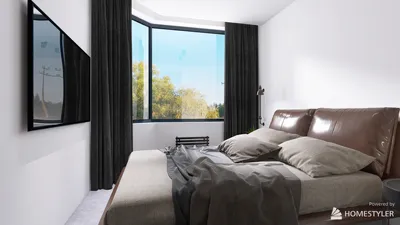


During my ten years as an interior designer, I've witnessed an exciting transformation in living rooms from being strictly formal spaces to becoming versatile hubs for family activities. A notable trend these days is the conversion of living rooms into home cinemas — and the charm is that even compact areas can ignite immense creativity. In this article, I'll present 10 innovative living room home cinema ideas, blending my design expertise with tried-and-true recommendations and professional advice, enabling you to craft the ultimate movie experience at home using tools like Homestyler.
1. Sleek Media Wall
My Perspective: In my apartment, I designed a clean, built-in media wall that allowed the television, soundbar, and storage to meld effortlessly, maintaining elegance even outside movie time. A project for a client also included a discreet projector screen that offered versatile options.
Advantages: Optimizes space, conceals cables, and imparts a modern, tidy appearance. According to the 2023 Trends on Houzz, built-in solutions also enhance the resale value of contemporary condos.
Disadvantages: Modifications to built-ins can be expensive if your technology changes rapidly. Measure carefully before making commitments.
Advice: Consider future-proofing your design — allow for additional width for larger screens or new tech. For ideas, check out minimalist kitchen storage designs that employ similar concealment techniques.
2. Subtle LED Backlighting
My Perspective: I once integrated subtle LED strips behind a media console; the transformation was remarkable, creating a balance of light during darker film scenes.
Advantages: Diminishes eye fatigue and enhances the cinema-like ambience. It's budget-friendly and simple to update.
Disadvantages: If the brightness or hue is too intense, it may create a nightclub vibe rather than a cinematic atmosphere.
Advice: Opt for warm or neutral white lighting for regular use, and switch to soft amber during movie nights.
3. Sound-Optimizing Acoustic Panels
My Perspective: After we installed acoustic panels behind a sofa for a family client in a bustling area, the improvement in sound quality was evident — clearer dialogue and richer audio.
Advantages: Dramatically enhances sound quality, especially in areas prone to echo. Professional cinema designers often suggest a combination of absorption and diffusion.
Disadvantages: If not chosen carefully, they can appear too utilitarian, so selecting custom fabric or art panels is crucial.
4. Multi-Functional Furniture
My Perspective: In compact living spaces, I love sofas with hidden storage or ottomans that can double as snack tables.
Advantages: Maximizes functionality without overcrowding the area — ideal for apartments. They can also conceal blankets, remotes, or game consoles.
Disadvantages: Furniture that combines functions may sacrifice comfort for practicality.
5. Projection Setup with Retractable Screen
My Perspective: In a loft I worked on, we integrated a motorized drop-down screen that seamlessly disappeared into the ceiling, preserving the sense of openness.
Advantages: Allows for a large display without permanent fixtures; maintains a polished look.
Disadvantages: Requires adequate ceiling space and may need an electrician; the quality of the screen fabric significantly impacts image clarity.
Instance: In another project, we combined a glass backsplash to enhance openness, both elements helped keep visual clutter minimal.
6. Surround Sound Configuration
My Perspective: Correctly positioning speakers took one client's audio experience from flat to fully immersive without increasing volume levels.
Advantages: Adds depth and realism to films and music. Dolby recommends placing front speakers at ear level and rear speakers slightly above.
Disadvantages: May necessitate cable management solutions to avoid a disorganized appearance.
7. Dark Accent Wall
My Perspective: I painted one wall deep charcoal in my own home — colors looked more vibrant, and reflections during viewing decreased.
Advantages: Enhances perceived contrast on screen and sets a mood. Color theory suggests that darker shades absorb light and direct focus.
Disadvantages: Overuse can make smaller areas feel closed in.
8. Smart Lighting Control
My Perspective: Bright overhead lights can ruin a movie's vibe. One home theater client found that dimmers and smart bulbs fixed this issue.
Advantages: Facilitates quick changes without leaving the couch; scenes can be pre-set for various activities.
Disadvantages: Smart systems can be costly, and overly complex controls can frustrate guests.
9. Cozy Textures and Throws
My Perspective: The use of soft fabrics and layered textures instantly made a minimal cinema space more inviting.
Advantages: Boosts comfort for long viewing sessions without excessive cost for seasonal refreshes.
Disadvantages: An abundance of cushions can lead to clutter; find a balance between cozy and practical space usage.
Budget Tip: A few quality throws are better than many low-quality ones — seek tactile fabrics like chunky knits or velvet. You can see an excellent example of this in projects with wood accents that provide warmth.
10. Concealed Equipment Storage
My Perspective: Hidden AV racks kept one client's modern living area from resembling an electronics showroom.
Advantages: Preserves a clean design, shields equipment from dust, and keeps children or pets away from cables.
Disadvantages: Inadequate ventilation can lead to overheating — consider incorporating discreet vents.
Conclusion
From my perspective, designing a living room cinema revolves around strategic choices rather than just larger screens. Compact spaces challenge you to innovate with layouts, lighting, and storage, which often results in more enjoyable, intimate experiences. As experts from CEDIA highlight, thoughtful planning in the initial stages can save time and costs later. Which of these 10 strategies are you eager to explore using Homestyler?
FAQ
1. What’s the optimal paint color for a living room cinema?
Matte finishes in dark tones like charcoal grey or navy minimize glare and enhance picture clarity.
2. How can I enhance sound quality in my living room cinema?
Incorporate acoustic panels, rugs, and heavy drapes; both placement and quality of materials are vital.
3. Should I choose a projector or will a TV suffice?
For smaller rooms, high-quality 4K TVs deliver outstanding performance; projectors excel in more spacious configurations.
4. How do I conceal cables in a home cinema setup?
Consider cord covers, routing wires behind walls, or integrate them into built-in furniture designs.
5. Is having a cinema in a rental possible?
Absolutely — utilize freestanding furniture, peel-and-stick LED strips, and portable projectors that don’t require permanent installation.
6. What is the minimum space required for a home cinema?
There’s no specific minimum; well-planned layouts can create cinematic experiences even in 10x12 ft rooms.
7. How crucial is lighting control?
Extremely important — The Illuminating Engineering Society emphasizes that adjustable lighting can prevent eye fatigue and enhance immersion.
8. Where can I find examples of efficient space designs?
You can explore cases of AI-assisted interior design that optimize storage and layout for compact spaces.
Homestyler is your go-to online home design platform, perfect for bringing your vision to life! With its user-friendly design tool, stunning 3D renderings, and a wealth of inspiring design projects and video tutorials, transforming your space has never been easier. Start designing today!
Projete agora para LIVRE
































