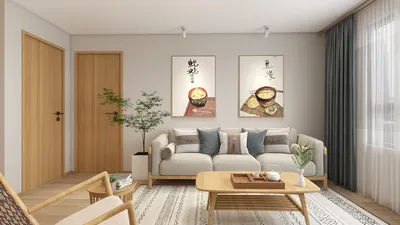


In my extensive experience redesigning numerous small to mid-sized living rooms, I've discovered that a grey couch serves as an incredibly adaptable centerpiece. Today's interior design trends heavily favor neutral tones such as grey because of their ability to transition between modern, minimalistic, classic, and bold styles with the right accents. Small spaces often inspire remarkable creativity, which is why I’m excited to share with you 10 innovative living room concepts featuring grey sofas, all informed by my personal projects and expert advice.
1. Minimalist Grey with Textured Layers
My Experience: In a compact urban apartment, I combined a sleek grey couch with chunky knitted throws and linen pillows, creating warmth without cluttering the visual space.
Advantages: A minimalist approach keeps the area feeling open, establishing the grey sofa as a timeless backdrop. Layering different textures enriches the aesthetic without overwhelming patterns.
Drawbacks: Overusing similar shades of grey can lead to a dull atmosphere. Introduce wooden elements or greenery for balance.
Advice: Incorporate at least three textures—like knit, velvet, and brushed cotton—to enhance tactile appeal.
2. Grey Sofa Against a Bold Accent Wall
My Experience: During a rental renovation, I opted for a deep teal accent wall behind a light grey sectional, instantly adding character and depth to the room. This technique remains a favorite in my minimalist living room transformations.
Advantages: This setup creates a captivating focal point and allows the grey couch to stand out. It’s particularly effective in spaces that receive ample natural light.
Drawbacks: Dark walls can make smaller rooms feel confined; counteract this with brighter decorative elements.
3. Scandinavian Aesthetic with Light Wood
My Experience: Grey couches harmonize beautifully with pale oak flooring and white walls. In one project, this combination resulted in a light and functional space, ideal for family life.
Advantages: Light woods introduce warmth into the coolness of grey hues. This style is suitable for both petite apartments and larger homes.
Drawbacks: The design might come off as too conventional; consider introducing a playful rug or artwork for a pop of personality.
4. Grey Couch and a Gallery Wall
My Experience: For an art enthusiast client, we positioned framed artworks above a dark charcoal loveseat, drawing the eye upward and creating an illusion of a larger space.
Advantages: This method enhances personal style and enlivens neutral furnishings. It also allows for seasonal updates by swapping out artworks.
Drawbacks: Attention to detail is required for frame symmetry and color coordination—random hues can create a chaotic look.
5. Industrial Loft Aesthetic
My Experience: I infused a bachelor pad with a New York loft ambiance using exposed brick, metallic lighting, and a mid-grey sofa, even though it was located in the suburbs.
Advantages: Grey seamlessly blends with raw materials, resulting in a cohesive design. This style is also low-maintenance, perfect for busy lifestyles.
Drawbacks: Excessive metal elements can render the ambiance chilly; soften the look with textiles.
6. Monochromatic Layers
My Experience: One chic arrangement featured various shades from pearl grey to charcoal in cushions, rugs, and curtains for a sophisticated vibe. It’s an elegant yet secure option.
Advantages: This approach fosters a serene, unified appearance, ideal for professional settings or those who prefer tidiness.
Drawbacks: It may come across as overly restrained; incorporate a single contrasting hue to evoke energy.
7. Coastal-Inspired Grey
My Experience: A light grey couch paired with raffia accents, woven baskets, and navy pillows instantly bestowed a coastal essence to my client’s otherwise inland home. You can modify this approach using suitable furniture arrangements and airy fabrics.
Advantages: This setup promotes a relaxed atmosphere, effectively bringing the essence of summer indoors. It’s suitable for all seasons, providing a light and airy feel.
Drawbacks: An excess of nautical decor can become tacky; balance subtle ocean colors with neutral tones.
8. Grey with Jewel-Toned Accents
My Experience: I enjoy pairing deeper grey sofas with emerald or sapphire cushions for an instant touch of luxury without breaking the bank.
Advantages: Jewel tones accentuate grey beautifully without overwhelming the overall aesthetic. It’s also simple to change accents seasonally.
Drawbacks: Rich hues might darken a dimly lit room; ensure adequate lighting is in place.
9. Mid-Century Modern Fusion
My Experience: A sleek grey sofa accompanied by tapered wooden legs, geometric rugs, and retro lighting gave one area an unmistakable mid-century charm.
Advantages: Grey provides a neutral canvas for vibrant mid-century designs, making it both iconic and timeless.
Drawbacks: This style calls for moderation—an overabundance of vintage pieces can evoke a dated feel.
10. Grey Sofa Accentuated by Greenery
My Experience: In a nondescript living room, utilizing potted plants alongside a soft slate sofa blurred the lines between indoors and outdoors, delivering a soothing effect after a hectic day. This approach also proved effective in a virtual 3D staging using Homestyler for small space clients.
Advantages: Incorporating greenery revitalizes the neutral grey backdrop and also enhances indoor air quality, as noted by the NASA Clean Air Study.
Drawbacks: Real plants need careful tending, while faux plants will require regular dusting.
In Summary
A grey couch isn’t a restriction on creativity—in fact, it serves as a clever foundation for diverse, layered design concepts. Particularly in smaller living areas, this neutral cornerstone enables you to explore textures, colors, and accents without creating a visual mess. So, what do you think—out of these 10 living room ideas featuring grey couches, which one would you like to try first?
Frequently Asked Questions
1. Is a grey couch suitable for a small living room?
Absolutely. Grey functions as a neutral anchor, making the area adaptable to various accent colors and styles.
2. Which colors complement a grey sofa the best?
Blues, greens, warm woods, and metallics tend to pair beautifully, as noted by the American Society of Interior Designers.
3. How can I enhance a grey couch's coziness?
Incorporate layers of textures—like soft throws, cozy pillows, and rugs—along with warm accent lighting.
4. Does a grey sofa fit well with modern farmhouse decor?
Definitely. Pair it with wood accents, white shiplap, and soft plaid textiles for an inviting look.
5. Should I opt for light or dark grey in my living room?
Light grey brightens smaller spaces, while dark grey introduces drama—both can be appealing, based on your lighting conditions.
6. How can I introduce color into a room with a grey couch?
Use colorful cushions, artwork, or even a lively accent wall. Seasonal updates can be made easily for a refreshing change.
7. Is a grey couch likely to go out of style?
Unlikely—grey is widely regarded as a timeless neutral in interior design, according to trend analyses from Houzz.
8. Can I adapt a grey couch for a coastal theme?
Yes, by incorporating white, blue, and natural fiber elements—or by using a virtual AI interior mock-up via Homestyler first to explore options.
Looking to transform your space? Homestyler is your go-to online home design platform! With its easy-to-use design tool, stunning 3D renderings, and a wealth of DIY video tutorials, you can effortlessly create and visualize your dream home. Let your creativity shine!
Projete agora para LIVRE
































