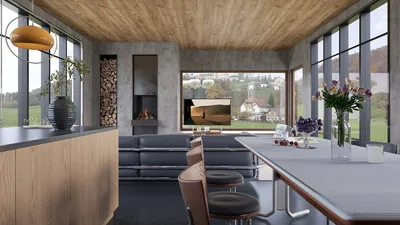


In recent years, innovative sleep solutions for living rooms have gained immense popularity in the realm of interior design. Having collaborated with various clients residing in compact apartments and studio flats, I have observed that confined spaces often ignite the most inventive ideas. This article presents 10 creative concepts that I have personally experimented with and appreciated, integrating design expertise and practical insights to guide you in converting your area into a multifunctional haven. Furthermore, utilizing tools like Homestyler can enhance your design planning significantly.
1. Sleek Sofa Bed Arrangement
My Perspective: I have always been enamored by how a contemporary sofa bed can completely transform the ambiance of a living area. In one of my studio projects, it served as an elegant seating space during the day and transitioned into a cozy bed at night.
Benefits: Optimizes space while maintaining an organized appearance; the keyword ‘minimalist sofa bed for small spaces’ is perfect for compact designs; widely available in various styles and price ranges.
Drawbacks: It's essential to invest in high-quality folding mechanisms to prevent discomfort; lower-end models might become uncomfortable over time.
Advice: Opt for a neutral fabric so you can accessorize with different cushions each season—similar to my minimalist living room design project from last year.
2. Murphy Bed Hidden Behind Decorative Panels
My Perspective: During a client’s one-bedroom renovation, we incorporated a Murphy bed concealed behind custom wooden panels—much to the delight of our guests each time we unveiled it.
Benefits: Significantly conserves floor space; integrates beautifully with wall decor; ideal for accommodating occasional guests, as noted in the National Sleep Foundation’s study on multi-use rooms.
Drawbacks: Initial investment can be high; requires strong wall support and professional installation to ensure safety.
Advice: Coordinate the finish of the panels with your flooring for a cohesive aesthetic.
3. Loft Bed Elevated Above a Sofa
My Perspective: I was amazed when I first encountered this concept in a Tokyo apartment. Installing a loft bed above a sofa introduces vertical functionality to a room while preserving valuable floor space.
Benefits: Maximizes vertical space; establishes two usable zones; particularly effective in rooms with higher ceilings.
Drawbacks: Can feel constricted if the ceiling is lower than nine feet; climbing up and down may not be suitable for all ages.
Example: Incorporate LED strips underneath the loft for ambient evening lighting in both areas.
4. Sectional Sofa with Pull-Out Sleeper Feature
My Perspective: I assisted a small family in replacing their bulky sofa with a sectional sleeper; the added sleeping area was perfect for their visiting family members.
Benefits: Accommodates more individuals during daytime; transitions into a bed within minutes; the term ‘L-shaped sleeper sectional’ ideal for modern compact apartments.
Drawbacks: Heavier to move around; may require additional effort for cleaning between cushions.
Advice: Consider storage chaise models for added concealed space for bedding.
5. Japanese Futon on Tatami Mats
My Perspective: This idea was inspired by my excursions in Kyoto—foldable futons that can be stored away during the day free up significant space.
Benefits: Cost-effective; fits with minimalist lifestyles and promotes healthy sleeping posture; simple to clean and move around.
Drawbacks: Offers less cushioning compared to Western mattresses; might not appeal to those who prefer softer beds.
Advice: Use a thin mattress topper for enhanced comfort.
6. Concealed Daybed Behind Bookshelves
My Perspective: For a literary enthusiast client, we designed a sliding bookshelf wall that concealed a daybed—this spot quickly became their favorite retreat.
Benefits: Merges storage and sleeping in a single piece; keeps areas for guests discreet and works well in eclectic home designs.
Drawbacks: Increased carpentry work is needed; proper sliding mechanisms are essential to avoid daily hassle.
Example: Match the finish of the bookshelf with accent furniture—similar to the warm wood tones used in a kitchen renovation I previously completed.
7. Convertible Chaise Lounger
My Perspective: In my apartment years ago, a chaise lounger that extended into a bed proved invaluable during late-night work sessions.
Benefits: Economical; easily movable; versatile for lounging or sleeping purposes.
Drawbacks: Limited length could be problematic for taller individuals; not the best choice for regular use.
Advice: Enhance comfort quickly with a throw blanket and lumbar pillow.
8. Daybed with Trundle Option
My Perspective: For a client who frequently hosted her nieces, a daybed featuring a trundle was the ideal playful yet functional selection.
Benefits: Accommodates two sleepers while occupying the same area as a single bed; perfect for sleepovers and adaptable style-wise.
Drawbacks: Needs space to pull out the trundle; the mattress is typically thinner.
Advice: Invest in matching bedding sets to create a harmonious appearance.
9. Fold-Flat Modular Seating
My Perspective: I have installed modular cushion systems that can fold into a bed, suitable for yoga studios that also serve as relaxation areas—this design is both playful and practical.
Benefits: Incredibly adaptable layout; easy to store away; contributes a laid-back feel to the room.
Drawbacks: Less structural support; may not be ideal for anyone with back problems.
Advice: Choose washable covers for easy upkeep—similar to my open-plan loft project.
10. Bed within a Window Nook
My Perspective: This might be my favorite concept—transforming a deep window alcove into a cozy bed. I executed this for a city client with a stunning skyline view.
Benefits: Creates a lovely reading and sleeping spot; maximizes unconventional spaces; provides a cozy, intimate feel.
Drawbacks: Limited to spaces with wide enough sills; custom mattresses may be required.
Advice: Incorporate layered curtains to enhance both privacy and light control.
Conclusion
For me, reimagining a living room into a sleeping area is not about losing functionality—it’s about smarter design choices. As referenced in Architectural Digest’s reports on small living spaces, creativity in confined areas often leads to groundbreaking solutions. Which of these living room sleeping concepts would you be tempted to try first, perhaps with the help of a tool like Homestyler?
FAQ
Q1: What are some effective space-saving ideas for sleeping in a living room?
A: Sofa beds, Murphy beds, and loft bed designs are excellent choices. They effectively combine form and function for small areas.
Q2: Which option is best for accommodating guests in a living room?
A: A daybed with a pull-out trundle or a sectional sleeper offers comfort and quick setup for overnight stays.
Q3: Are futons a good long-term sleeping solution?
A: Quality Japanese futons can support good posture; pairing them with a mattress topper enhances comfort for long-term use.
Q4: How can I enhance the comfort of a sofa bed?
A: Using a memory foam topper and high-quality bedding can transform a sofa bed into a comfortable sleeping solution, comparable to a traditional bed.
Q5: What is the most economical living room sleeping option?
A: Folding futons or modular floor seating typically offer the best budget-friendly and adaptable solutions.
Q6: Is it possible to install a Murphy bed without major renovations?
A: Many models necessitate wall anchoring; however, freestanding versions exist that may take up more floor area but require no restructuring.
Q7: How should I coordinate a sleeper sofa with my room’s decor?
A: Select neutral upholstery and enhance it with seasonal cushions, akin to strategies used in minimalist interior designs.
Q8: Do modular seating systems provide adequate back support?
A: These systems prioritize relaxed comfort but may lack firm support, suitable for occasional use rather than nightly rest, as per ergonomic guidelines.
Homestyler is your go-to online home design platform that empowers you to unleash your creativity. With its easy-to-use design tool, stunning 3D renderings, and a wealth of DIY video tutorials, you can effortlessly bring your interior design dreams to life, no matter your skill level!
Projete agora para LIVRE
































