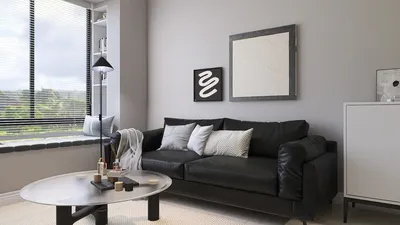


With over a decade of experience in home design, I've found that creativity often flourishes in small spaces. In contemporary interior design, wall cabinets in living spaces serve not just as practical storage solutions but are also integral to the character of the room. They effectively conceal clutter, highlight cherished items, and may even serve as eye-catching focal points. This article presents ten innovative wall cabinet ideas for living rooms, combining my personal experiences with professional insights to optimize your space with the help of Homestyler.
1. Minimalist Floating Cabinets
From my perspective: In a compact city loft I designed, we used floating wall cabinets to create an illusion of spaciousness. This elevated storage solution not only liberated floor space but also lent an airy ambiance to the living area, allowing easy access to necessities.
Advantages: It saves valuable floor space, visually enhances the room's size, and fits perfectly with modern decor styles. According to Architectural Digest's 2023 storage trends report, this aligns seamlessly with small living room wall storage concepts.
Drawbacks: There are limitations on weight capacity, so heavy items like books or electronics are not suitable; ensuring secure anchoring can also pose challenges if the walls are weak.
Advice: Match the cabinet finish to the wall color for a cohesive look. In one instance, a client appreciated how the minimalist wall cabinets seamlessly blended into the backdrop, maintaining the room's flow.
2. Glass-Front Display Cabinets
In my experience: I frequently use glass-front cabinets to display travel memorabilia while keeping them protected from dust. In a Scandinavian-inspired living room, these cabinets act almost like art displays.
Benefits: They keep items visible yet safeguarded, introduce depth and visual interest, and harmonize with both traditional and modern styles.
Disadvantages: These require regular cleaning to avoid fingerprints, and visible clutter can disrupt the overall aesthetic.
Recommendation: Employ interior lighting to accentuate decorative pieces and create a warm atmosphere in the evenings.
3. Built-In Entertainment Wall Cabinets
From my observations: For a suburban family home, we installed wall cabinets surrounding the television to conceal cables, store games, and display books. This transformed a cluttered corner into a sleek feature wall.
Pros: They optimize wall space, conceal electronics and clutter, and can be integrated with sound systems and lighting fixtures.
Cons: Being a permanent installation, they offer less flexibility for rearrangement.
Tip: Ensure proper ventilation for electronics to prevent overheating.
4. Vertical Tall Cabinets
My observations: Tall, slim wall cabinets are ideal for space-constrained areas. In one studio apartment, they served as a hallway divider while providing ample floor-to-ceiling storage.
Advantages: They’re perfect for narrow rooms, enhance verticality, and store larger items discreetly.
Drawbacks: They might dominate a room with low ceilings, and secure installation is crucial.
Suggestion: Choose lighter colors to keep the space feeling bright.
5. Corner Wall Cabinets
My insight: Corners in small living rooms often go unutilized. I once designed a bespoke corner cabinet for barware, which surprisingly became a conversation piece at gatherings.
Pros: They effectively use wasted space, inject unique character into the room, and fit beautifully in awkward layouts.
Cons: Access can be limited compared to front-facing cabinets.
Tip: A mirrored finish can reflect light and create a sense of spaciousness in corners.
6. Mixed Material Cabinets
My experience: By integrating wood and metal finishes in wall cabinets, you can introduce a sophisticated touch. I once combined oak shelves with black steel frames for an industrial-chic loft design.
Pros: They add texture and visual interest; adaptable to various design aesthetics; wood offers warmth, while metal contributes strength.
Cons: Requires careful color coordination to ensure a cohesive appearance.
Tip: Maintain a consistent color palette with other furnishings to achieve harmony.
7. Hidden Wall Cabinets Behind Panels
My observation: In a minimalist penthouse, we incorporated hidden cabinets disguised as wall panels, stunning guests who discovered additional storage after several visits!
Advantages: They provide a clean aesthetic; hide clutter efficiently; ideal for secure storage of valuables.
Drawbacks: These cabinets might be less convenient for everyday use and can be pricier to customize.
Tip: A combination of living room cabinetry and acoustic wall panels mid-room is an innovative concept I’ve witnessed used successfully in acoustic-sensitive designs.
8. Open Shelf and Cabinet Combo
My approach: For clients who appreciate both display and concealed storage, I frequently create designs that feature an upper section with open shelves and a lower section with cabinets to hide everyday items.
Benefits: This design balances functionality, blending decorative elements with practical storage that evolves over time.
Drawbacks: The open shelves require careful styling to prevent a cluttered appearance.
Tip: Stick to a cohesive color theme for items on display to enhance the visual impact.
9. Modular Wall Cabinets
My experience: For those prioritizing versatility, modular wall cabinets excel. I had a client who routinely rearranged theirs seasonally, showcasing plants in summer and books in winter.
Advantages: Customizable to meet changing preferences, easy to expand; perfect for renters who may relocate.
Cons: They might appear less integrated than built-in designs; visible join lines can detract from aesthetics.
Suggestion: Opt for a classic finish to ensure that modules remain relevant in various settings.
10. Statement Color Cabinets
My insight: Boldly colored cabinets, such as deep teal or terracotta, have the power to turn a mundane wall into an artistic feature. I once used a rich green that seamlessly tied together a client’s mid-century decor.
Pros: These inject drama and personality, outlining the room's style while acting as conversation starters. Color psychology studies (Pantone, 2022) affirm the impact of vibrant hues.
Cons: They can quickly become dated and may overpower the design if not applied judiciously.
Advice: Combine strong colors with neutral walls and furnishings, much like how an AI-powered application like Homestyler can help you visualize color choices before committing.
Conclusion
From my observations, having a smaller living room does not stifle your sense of style — rather, it encourages more thoughtful design choices. Wall cabinets can serve as functional storage solutions, focal points, or even both simultaneously. The goal is to harmonize practicality and personality so that your space truly feels like home. Which of these ten wall cabinet ideas will you implement first?
FAQ
1. What is the best material for living room wall cabinets?
Durable solid wood, sleek MDF for painting, or industrial metal frames are excellent choices. Your selection should reflect your design style and budget considerations.
2. How high should wall cabinets be mounted in a living room?
Typically, the bottom should be positioned 18–24 inches above furniture or 30–36 inches from the floor, depending on specific use cases.
3. Can wall cabinets work in very small living rooms?
Absolutely, especially with floating designs that preserve floor area. Houzz data indicates that vertical storage can enhance usable space by up to 20%.
4. How do I make wall cabinets look built-in?
Frame them with trim that matches, paint them to the same color as the walls, and incorporate lighting for a tailored appearance.
5. What’s the most budget-friendly wall cabinet design?
Modular cabinets present an affordable option, as they can start small and expand over time without the need for custom installation expenses.
6. Can I combine open shelves with cabinets?
Definitely. Mixing open shelves with cabinets provides versatility for both displaying and concealing items, as demonstrated in small-space mixed-use designs.
7. Do glass-front cabinets work for modern interiors?
Yes, when paired with clean lines and minimalistic hardware, they complement a contemporary aesthetic beautifully.
8. How can I plan cabinet placement before installation?
Utilizing a floor planning tool or consulting with a designer aids in visualizing scale and placements, ensuring cabinets meet both aesthetic and storage needs.
Homestyler is your go-to online home design platform that empowers you to create stunning spaces effortlessly. With its user-friendly design tool, impressive 3D renderings, abundant design projects, and helpful video tutorials, you’ll transform your ideas into reality in no time!
Projete agora para LIVRE
































