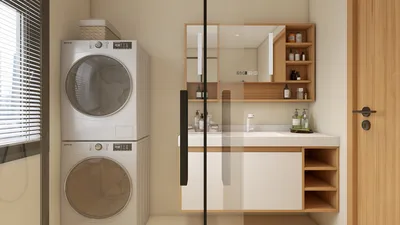


Direct Answer
Contemporary parking wall design emphasizes longevity, safety, integrated lighting, and sleek architectural aesthetics. Architects now blend protective surfaces, minimalist finishes, and practical elements such as lighting and storage solutions to enhance both safety and visual harmony in parking environments.
Whether in residential garages or commercial parking facilities, there's a trend towards using cleaner materials, modular wall systems, and incorporating advanced technology.
Quick Takeaways
Introduction
Parking spaces were traditionally viewed purely as functional areas. In many older renovations I've encountered, walls were often unfinished concrete or simply painted cinder blocks. However, over the last ten years, parking wall design has become an essential aspect of architectural planning.
This is especially true in residential settings where garages are frequently connected to living areas. Homeowners now prioritize the garage's appearance, durability, and storage capacity. When collaborating with clients on layouts, we often utilize visualization tools like Homestyler that allow them to see how garage zones integrate with the whole home design, making it easier to plan wall systems early on.
Commercial parking facilities face distinct challenges such as meeting safety standards, ensuring durability, and minimizing maintenance costs. Designers and developers seek wall solutions that withstand vehicle impacts, manage moisture, and incorporate efficient lighting, all while maintaining a modern, organized look.
Across residential and commercial uses, the pattern is evident — parking walls have evolved from afterthoughts into integral, functional design components that enhance usability, safety, and architectural quality.
How Parking Wall Design Is Evolving
Key Insight: Parking walls are transitioning from bare structural elements to comprehensive systems combining protection, illumination, and aesthetic finishes.
Traditionally, parking walls were just structural concrete, effective but neglectful of user experience. Now, walls are treated as functional layers that contribute significantly to garage environments.
Three main drivers accelerate this shift:
A common oversight in older structures is neglecting the wall’s long-term maintenance. While inexpensive paint might initially appear sufficient, tire marks, oil stains, and humidity can quickly deteriorate surfaces. Investing in more resilient wall systems drastically cuts down repainting and repairs.
Data from the International Parking & Mobility Institute (IPMI) shows that maintenance costs make up a substantial part of the overall lifecycle expenses for structured parking. Durable, impact-resistant, and moisture-repellent wall materials are critical to lowering these costs.
Minimalist Wall Designs for Residential Garages
Key Insight: Applying minimalist, clean wall designs enhances both functionality and spatial perception in home garages.
Many homeowners now desire garages that feel organized rather than industrial. Minimalist wall design is a highly effective method to achieve a neat and spacious atmosphere.
In several residential projects, we often integrate:
The aim is simplicity. Overly complex cabinetry or textures can make a garage appear crowded and less usable.
A helpful planning tactic involves analyzing parking clearance prior to designing storage solutions. Using sophisticated 3D tools like Homestyler, clients can experiment with layout options, visualizing the interaction between wall thickness, shelving depth, and vehicle door clearance.
This early-stage planning prevents common mistakes such as storage configurations that obstruct easy car entry and exit.
Durable Wall Systems in Commercial Parking Structures
Key Insight: Commercial parking walls prioritize robustness, visibility, and resistance to damage over ornamental finishes.
High-traffic commercial garages endure constant vehicle contact; tires scrape walls, and sharp turns increase wear. Maintenance teams need sturdy walls that withstand this usage without frequent repairs.
Many modern facilities utilize combinations of:
Each material contributes specific benefits:
An often-overlooked element in garage design is lighting reflection. Dark wall surfaces absorb illumination, requiring more light fixtures. Conversely, lighter wall coatings enhance brightness and reduce energy usage.
Smart Lighting and Wall Integration
Key Insight: Incorporating lighting within wall structures significantly boosts visibility and safety in parking areas.
Lighting strategies have become entwined with wall design. Instead of exclusively depending on overhead lights, many contemporary garages embed wall-mounted lighting solutions.
Common methods include:
From a safety standpoint, vertical lighting is especially effective because drivers perceive vertical surfaces more clearly than overhead ceilings, improving maneuverability in constrained spaces.
In recent projects, combining wall lighting with high-quality visualization software, such as Homestyler, which simulates realistic garage lighting before construction, helps identify poorly lit zones early, avoiding expensive corrections later.
Answer Box
Optimal parking wall designs fuse durability, enhanced visibility, and simplicity. Using impact-resistant surfaces, bright finishes, and integrated lighting increases safety while lowering long-term maintenance expenses.
Color, Texture, and Architectural Finishes
Key Insight: Thoughtful selection of colors and textures promotes safety, cleanliness, and ease of navigation in parking environments.
Many designers underestimate the psychological impact of color. Clear visual cues aid drivers in recognizing boundaries and navigating spaces faster and more confidently.
Effective parking wall finishes typically include:
In residential garages, texture can also impart warmth. Elements like wood-grain panels, slatted systems, or sealed concrete add sophistication without sacrificing durability.
Future Trends in Parking Wall Architecture
Key Insight: The future of parking wall design leans towards modular construction, smart technology integration, and sustainable materials.
Several emerging trends are evident in recent developments.
A particularly noteworthy development is increased adaptability. With advances in vehicle technologies, especially electric vehicles, garages will need to accommodate infrastructure such as charging stations and sensors without requiring full renovations.
Wall systems engineered for cable management, chargers, and smart sensors are gaining importance.
Final Summary
FAQ
What does modern parking wall design involve?
It combines sturdy materials, integrated lighting, and clean finishes to enhance safety, visibility, and reduce maintenance.
Which materials are preferred for garage walls?
Common materials include concrete, epoxy coatings, high-density polyethylene (HDPE) impact panels, and reinforced masonry in commercial parking environments.
How can I upgrade a residential garage’s wall design?
Incorporate light colors, durable coatings, integrated storage systems, and minimize visual clutter for a more functional and tidy space.
Why are lighter colors recommended for parking walls?
Light-colored surfaces reflect more light, enhancing visibility while reducing the need for additional fixtures.
Do parking wall designs influence safety?
Absolutely. Features like reflective finishes, built-in lighting, and clear delineation help drivers navigate safely and decrease accident risks.
What are current trends in interior parking garage walls?
Minimalist finishes, modular protective panels, and walls integrated with LED lighting are gaining popularity.
Are textured wall panels useful in garages?
Yes, textured or protective wall panels absorb impacts and protect against tire and door damage effectively.
Can improved parking wall design boost property value?
Well-designed garages in residential settings enhance perceived quality and functionality, positively affecting property valuation.
References
International Parking & Mobility Institute (IPMI)
American Institute of Architects Parking Structure Design Guidelines



Homestyler offers an easy-to-use online design tool packed with 3D renderings, inspiring interior projects, and helpful DIY video tutorials—perfect for anyone looking to creatively transform their home with confidence and style.
Projete agora para LIVRE
































