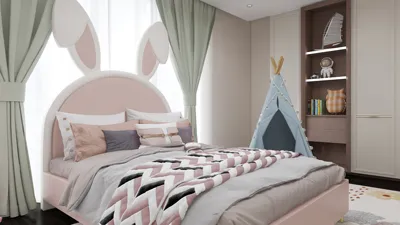


Having dedicated over ten years to the art of interior design, I’ve observed the rising popularity of light-colored living room concepts in 2024. Particularly in small spaces, lighter shades have a remarkable effect—they reflect more sunlight and create an illusion of a larger, more tranquil, and refreshing environment. I firmly believe that small rooms can ignite great creativity, and I’m excited to present 10 inspiring ideas that I’ve personally tested, supported by professional insights and real-life project examples. Additionally, I’ll offer practical advice to help you incorporate these ideas into your own home, using tools like Homestyler.
1. Minimalist Neutral Palette
From my experience: In a project for a compact studio apartment, the client desired an airy atmosphere. By employing a minimalist neutral palette—soft beige, ivory, and sand—we transformed the area into a peaceful retreat where light beautifully bounced off the walls.
Advantages: Neutral palettes evoke a sense of spaciousness and timeless elegance and seamlessly complement various textures and decor styles. Architectural Digest highlights that neutrals enhance natural light and help diminish visual clutter.
Drawbacks: Without proper accessorizing, neutral spaces may come across as flat. Lack of texture or layering can lead to a room that feels rather bland.
Advice: Introduce textured throws or woven rugs to add warmth; consider incorporating minimalist kitchen storage ideas in open-plan areas for a harmonious flow.
2. Soft Gray Walls with White Trim
From my experience: In a downtown loft, soft gray walls paired with crisp white trim created a sophisticated yet inviting feel, ideal for modern decor.
Advantages: Gray is incredibly versatile, capable of concealing minor flaws better than pure white, while white trim frames architectural features beautifully.
Drawbacks: The color gray can shift in tone depending on lighting, so it’s essential to test samples at various times of day.
Case insight: This combination is effective in north-facing rooms to offset cooler lighting.
3. Pastel Blue Accents
From my experience: I enjoy infusing a hint of pastel blue into a predominantly white living room. It takes me back to a beach-themed Airbnb I designed, where pastel cushions and vases added a unique character.
Advantages: Pastel shades inject mood without overwhelming small spaces and blend wonderfully with natural elements like rattan or light oak furnishings.
Drawbacks: An excess of blue might create a cold atmosphere; balance it with warmer fabric tones.
4. All-White Monochrome
From my experience: An all-white design can look exquisite in photos. I implemented this approach for a contemporary loft, layering various shades of white—from linen drapes to glossy wall paint.
Advantages: It maximizes light and creates a gallery-like ambience, allowing artworks or striking furniture to stand out.
Drawbacks: Maintenance is crucial, as every little mark is immediately visible.
Advice: Opt for washable paint and slipcovers for ease of maintenance.
5. Beige and Blush Harmony
From my experience: A union of beige foundations with blush pink accents produces a gentle femininity. I applied this in a small condo living area to introduce warmth without verging on overly girly aesthetics.
Advantages: This combination effectively softens the appearance of modern furniture while maintaining a light color scheme.
Drawbacks: An abundance of blush may quickly feel dated; it's best to limit it to about 30% of the palette for balance.
6. Scandinavian Light Wood Tones
From my experience: Embracing Scandinavian design for small spaces leads to magnificent results—light oak, birch, and ash beautifully illuminate and foster a natural ambiance.
Advantages: Light wood tones introduce warmth and a tactile comfort to a light-colored living room, preventing a heavy atmosphere.
Drawbacks: These materials are susceptible to scratches and stains; using matte protective finishes can mitigate this.
Case insight: Combining these wood elements with glass backsplashes greatly enhances the openness of kitchens, especially in open-concept apartments.
7. Cream and Gold Accents
From my experience: Utilizing cream walls accented with gold evokes a luxurious yet understated elegance. I witnessed its transformative power in a client's Victorian terrace renovation—it instantly uplifted the room.
Advantages: This combination merges the gentle softness of cream with the opulence of gold, making it a timeless choice for both contemporary and classic settings.
Drawbacks: Moderation is vital with gold; overusing it may shift from classy to overly flashy.
8. Light Terracotta Elements
From my experience: For clients who seek a warmer ambiance, I often incorporate light terracotta through cushions, planters, or accent walls. It’s a soft approach to integrating earthy tones.
Advantages: Light terracotta complements cooler shades without creating darkness in the room, fostering a cozy feel, especially when paired with indoor plants.
Drawbacks: Not all terracotta hues harmonize with cool palettes—testing and adjustments are essential.
9. White and Natural Greenery
From my experience: The combination of greenery and white walls is simply brilliant. I transformed a compact city condo this way, breathing new life into the space with vibrant freshness.
Advantages: Incorporating natural plants enhances texture, infuses color, and improves air quality, as evidenced by NASA’s research on houseplants.
Drawbacks: Regular maintenance is necessary; while faux plants can be a substitute, they won’t contribute to air purification.
Case insight: This approach works exceptionally well for L-shaped layouts, freeing up counter space in adjacent kitchens and enhancing flow.
10. Soft Patterned Rugs
From my experience: Light-hued patterned rugs impart subtle charm without dominating the space. I once featured a cream-and-pale-gray geometric rug in a design project, gently anchoring the area.
Advantages: These rugs effectively define different areas in open-plan living spaces and add comfort underfoot.
Drawbacks: Light rugs are prone to staining—investing in fabric protector spray is worthwhile.
Conclusion
Designing a light-colored living room goes beyond constraints—it's about smartly engaging with light, color, and texture. As noted by Elle Decor, lighter palettes can enhance psychological well-being by fostering tranquility. Which of these 10 inspiring ideas are you eager to implement first? I look forward to hearing your plans!
FAQ
1. What colors can make a small living room appear larger?
Light neutrals like white, beige, and soft gray reflect light effectively, creating a more spacious and airy appearance.
2. Is maintaining light colored living rooms difficult?
They tend to show dirt more readily, but utilizing washable paints and removable covers can help ease the upkeep.
3. What flooring options suit light colored walls best?
Light woods, pale tiles, or light-patterned rugs help maintain a bright and cohesive look.
4. Can I pair light colors with dark furniture?
Certainly! Contrasts add depth—just ensure dark accents are used sparingly for balance.
5. Do light colors function well in north-facing rooms?
Yes, but opt for warm undertones to counterbalance the cooler natural light.
6. Are plants beneficial in a light colored living room?
Absolutely! Research from NASA indicates that plants improve indoor air quality while adding natural textures.
7. Can patterned fabrics be used with light walls?
Yes, smaller patterns can maintain lightness and interest; avoid overly bold contrasts to keep harmony.
8. How can warmth be added to an all-white living room?
Layer textures like wood and wool, and infuse soft warm tones through accessories for a warmer atmosphere.
Discover your dream home design with Homestyler! This user-friendly online platform offers a versatile design tool, stunning 3D renderings, and a wealth of inspiring design projects and video tutorials. Whether you're a novice or an expert, Homestyler makes it easy to create beautiful spaces effortlessly!
Projete agora para LIVRE
































