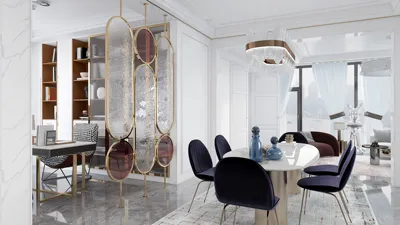


In recent years, I’ve observed a transformative trend in interior design – color schemes are becoming bolder, especially in compact living spaces. Currently, the fusion of teal and grey is taking center stage in living room decor. As a designer, I am convinced that smaller areas often ignite greater creativity. In this article, I will reveal 10 inspiring ways to incorporate teal and grey into your living room, drawing from my professional experiences and expert opinions.
Teal Accent Wall with Soft Grey Furnishings
My Perspective: Recently, I revamped an urban loft where I painted a striking teal feature wall, complementing it with soft grey sofas. This combination instantly imbued the room with a modern yet inviting atmosphere, making the colors truly stand out.
Advantages: Teal infuses the space with energy and depth, while grey provides a soothing counterbalance, creating a harmonious color scheme in line with expert advice from Apartment Therapy.
Disadvantages: If the room lacks natural light, a fully teal wall can make the space feel darker than intended.
Tip: For smaller rooms, consider using a matte finish on the teal wall to minimize glare.
Layered Teal Textiles and Grey Rug
My Perspective: Incorporating teal throws, pillows, and even velvet chairs atop a neutral grey rug adds dimension, enhancing texture without overwhelming the senses.
Advantages: This approach allows for seasonal updates and is budget-friendly for renters; teal becomes a vibrant accent color throughout the year.
Disadvantages: Using too many varying shades of teal can lead to a mismatched look if not carefully coordinated.
Case Study: This method shines in minimalist designs featuring teal and grey, especially when using tools like Homestyler to visualize textures before purchase.
Teal Artwork with Grey Backdrop
My Perspective: Large teal-accented prints against light grey walls create an eye-catching focal point. One of my clients adored an abstract teal-and-gold piece displayed above a grey sectional sofa.
Advantages: Art can serve as the anchor for the color scheme, and it’s easy to change artwork if you decide to shift your palette.
Disadvantages: Large art pieces may require a more significant financial investment.
Mixing Warm Woods with Teal and Grey
My Perspective: Incorporating oak coffee tables or walnut shelving introduces warmth, softening the cooler tones of teal and grey and making the space more welcoming.
Advantages: Wooden elements add warmth and texture, helping to prevent the space from feeling overly cold.
Disadvantages: Dark wood can sometimes clash with the vibrancy of teal.
Teal Statement Sofa with Grey Accents
My Perspective: Initially, a client was uncertain about a teal velvet sofa, but once we added slate grey cushions, it became the highlight of their home.
Advantages: A statement piece like a teal sofa can spark conversations and pairs seamlessly with metallic decor.
Disadvantages: It may pose challenges when styling with different decor themes down the line.
Tip: Use virtual layout tools like Homestyler to explore different styles and how they complement your room’s natural light and space.
Grey Walls with Teal Curtains
My Perspective: In tight spaces, painting walls light grey and adding rich teal drapery enhances visual height and drama.
Advantages: Grey walls provide a perfect canvas for decor, while teal curtains inject elegance and liveliness.
Disadvantages: Bulky curtains can overpower small windows, so choose wisely.
Glass and Metallic Accents
My Perspective: Incorporating chrome lamps, glass coffee tables, and teal ceramic vases upon grey carpets adds a touch of brightness in one of my latest high-rise designs.
Advantages: Reflective surfaces help maintain an airy feel in the room, while teal accents can be easily swapped out.
Disadvantages: Glass surfaces require more frequent upkeep and cleaning.
Teal and Grey Geometric Patterns
My Perspective: Using patterned cushions or rugs with teal and grey triangles immediately breathes life into a simple room.
Advantages: Geometric designs inject modern visual interest and freshness to the space.
Disadvantages: Overdoing patterns can result in a chaotic appearance.
Open Plan with Color Zoning
My Perspective: In a studio apartment, I utilized teal furniture to distinguish the living area and grey tones for the dining space – a subtle yet effective strategy.
Advantages: This method allows for clear functional divisions in open spaces without physical barriers, promoting fluidity in the design.
Disadvantages: Maintaining color boundaries requires consistency and discipline.
Idea: Explore zoning virtual models of your living space using Homestyler before making any decisions.
Seasonal Styling with Teal and Grey
My Perspective: In winter, chunky teal knit blankets lend warmth, while lightweight grey linen throws provide a fresh look in summer – the same base, but a different vibe.
Advantages: This method is wallet-friendly and suits both classic and contemporary settings.
Disadvantages: Seasonal decorative items require adequate storage.
Conclusion
Small living areas present a wonderful chance to explore intentional and innovative design choices. By utilizing teal and grey in your living room, you can achieve a variety of effects from boldness to subtlety. The essential element is striking the right balance between warmth, contrast, and texture. According to Elle Decor, a harmonious color palette can often create an illusion of greater space. Which of the strategies mentioned would you be excited to try in your own home?
FAQ
Q1: Why do teal and grey complement each other so effectively?
A: Teal introduces liveliness, while grey serves as a neutral backdrop, allowing for a timeless and versatile color combination.
Q2: Can teal make my living room feel more confined?
A: Darker shades may contribute to a smaller perception; opting for lighter teal accents can help maintain an airy feel.
Q3: Is it possible to mix other colors with teal and grey?
A: Certainly! Warm metallics like gold or brass harmonize nicely, and even shades like mustard or blush can serve as complementary accents.
Q4: Is teal a good choice for small living rooms?
A: According to Houzz, mindful use of bold colors can enliven small rooms without making them feel cramped.
Q5: How can I ensure a cohesive look?
A: To achieve visual harmony, repeat teal and grey tones in at least three areas throughout the space.
Q6: Are teal sofas difficult to care for?
A: Fabrics such as velvet may require occasional maintenance, but many high-performance textiles are straightforward to maintain.
Q7: Which design styles pair best with teal and grey?
A: Styles like modern, Scandinavian, and mid-century design beautifully accommodate this color palette.
Q8: Can I visualize teal and grey combinations before making purchases?
A: Absolutely! Tools like Homestyler allow you to preview color combinations digitally, helping you make informed decisions before committing to any designs.
Discover Homestyler, your go-to online home design platform! With its user-friendly design tool, stunning 3D renderings, and a wealth of design projects and DIY video tutorials, you can effortlessly create and visualize your dream spaces. Transform your home design ideas into reality today!
Projete agora para LIVRE
































