


Is Investing in a Laundry Pedestal Beneficial?
Constructing a laundry pedestal can be advantageous if your goal is to achieve easier access to your washer and dryer, gain extra storage space, and enhance ergonomic comfort. Nevertheless, these benefits rely heavily on proper construction, the stability of the appliances, and the amount of space available. In certain households, keeping appliances on the floor remains the safest and most economical choice.
Highlights to Consider
Understanding the Value of a Laundry Pedestal
A frequent query among homeowners upgrading their laundry room is whether a laundry pedestal really adds value. After managing numerous laundry remodels over the years, I've encountered mixed feedback on this subject.
Some users greatly appreciate their elevated washer and dryer setups because it alleviates back discomfort and offers practical storage options. Conversely, others have found pedestals unstable, improperly sized, or simply unnecessary additions.
It's crucial to recognize that a pedestal doesn't inherently mean an upgrade. It alters how appliances relate to room structure, flooring, and movement flow. Visualizing the layout beforehand is helpful, and utilizing layout software like Homestyler allows homeowners to experiment with different configurations before building.
This guide delves into the real perks, hidden expenses, and safety factors to weigh when deciding if lifting your washer and dryer is suitable for your home.
Advantages of Elevating Your Washer and Dryer
Important Insight: The primary benefit lies in ergonomic comfort rather than storage capacity.
While many assume additional storage is the top advantage, the greatest improvement comes from minimizing the frequent bending required during laundry tasks.
In designs where appliances were raised by about a foot or more, occupants consistently reported easier laundry routines, especially for families managing multiple loads weekly.
Key benefits include:
This ergonomic gain is especially vital for:
Nevertheless, comfort is only enhanced if the pedestal’s height is appropriate. If too high, accessing the inside of machines can become inconvenient.
Cost Analysis of DIY Laundry Pedestals
Insight: Building your own pedestal may cost roughly a third of commercial versions but demands a strong structural approach.
Pre-made washer pedestals typically range between $200 and $400, surprising many consumers. Crafting one independently can result in significant savings.
Common expenses for materials used in DIY pedestals include:
Estimated total investment spans $85 to $220
Still, a frequently overlooked expense involves vibration dampening. Washers produce substantial movement during spinning, more so with energy-efficient models.
Without proper cross-bracing, thick plywood, and secure fastenings, the pedestal may wobble or intensify noise levels.
Safety When Elevating Appliances
Key Fact: The pedestal’s stability outweighs height in importance when supporting a washer.
Washing machines often weigh between 180 and 250 pounds, and spinning adds dynamic forces.
Structurally, the pedestal should withstand:
Critical safety measures to implement include:
In multiple remodeling cases I examined, unstable pedestals resulted in excessive vibrations, ultimately damaging surrounding cabinetry.
Situations When a Pedestal May Not Be Suitable
Key Consideration: In confined or stacked laundry areas, raising appliances could reduce functionality.
Pedestals are not universally beneficial and can sometimes introduce issues.
Circumstances where pedestals might be counterproductive include:
An often-missed factor is vertical clearance. Higher washer placement might cause doors or lids to collide with overhead storage.
For this reason, I suggest preliminary sketching using software like Homestyler to map room dimensions and ensure sufficient clearance prior to construction.
Storage and Ergonomics Explained
Important Observation: While pedestal storage is convenient, the primary benefit is ergonomic improvement.
Many build pedestals aiming for storage, but actual capacity is typically limited.
Common items stored inside pedestals include:
The main ergonomic gain comes from positioning the washing drum closer to waist height.
Research in occupational ergonomics consistently points out that repeated bending is among the leading causes of back strain in home settings.
Weighing DIY Pedestals Against Floor Placement
Key Insight: Workflow and space usage matter more than just appliance height.
While raising appliances seems beneficial, it largely depends on how the laundry room is used.
Benefits of pedestals encompass:
Advantages of leaving appliances on the floor include:
A crucial overlooked element is the workflow space; raising machines might cause awkward reaches or reduce surface area for folding, diminishing efficiency.
Summary: When Does a Laundry Pedestal Make Sense?
Elevating your washer and dryer pays off if it improves ergonomics and storage without sacrificing stability. The secret lies in sound construction and ensuring the raised units fit harmoniously with the room layout.
Final Checklist for Homeowners
Key Takeaway: The best choice depends on room configuration, appliance dimensions, and pedestal strength.
Before proceeding, consider this quick checklist:
To better visualize the entire laundry setup, using 3D layout planners such as Homestyler can help test appliance placement and workflow before committing to permanent installations.
FAQs About Laundry Pedestals
Is a laundry pedestal a worthwhile investment for most households?
Generally yes, if it boosts ergonomics and storage, but attention to stability and space constraints is crucial.
What is the ideal height for a washer pedestal?
Most pedestals stand between 12 and 16 inches tall to facilitate easier access without making the machine too high to reach comfortably.
Is elevating a washing machine safe?
It is safe provided the pedestal is well-built and leveled. Otherwise, vibration problems might increase.
What benefits do washer dryer pedestals offer?
They mainly reduce bending, simplify loading and unloading, and provide limited extra space beneath the machines.
How much does building a DIY laundry pedestal typically cost?
DIY projects range roughly from $85 to $220 depending on materials and vibration control features.
Can pedestals help minimize laundry room clutter?
Yes, small items like detergents and cleaning supplies can be conveniently stored below.
Should washer and dryer be raised in small laundry rooms?
Not always; in tight quarters, raised appliances might interfere with cabinet doors or restrict clearance.
What are the pros and cons of installing washer pedestals?
Advantages include improved ergonomics and storage; disadvantages cover vibration risks, construction complexity, and clearance issues.
What began as an Autodesk innovation has evolved into a design platform used by more than 18 million people around the globe. Homestyler combines powerful rendering, an intuitive editor, and a vast furniture library to help you turn inspiration into photorealistic designs — whether you're redesigning a single room or planning an entire home.
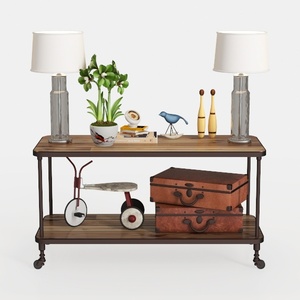

Industrial Vintage Solid Wood Metal Mobile Console Table 3D Model

Guidecraft EdQ Cubby Toy Storage Organizer w/ 8
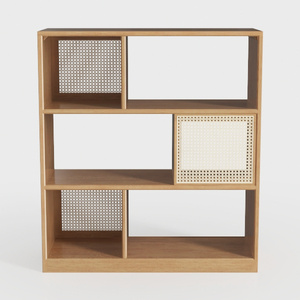
Minimalist Japandi Solid Wood Rattan Bookshelf 3D Model
Homestyler is an easy-to-use online home design platform offering powerful 3D rendering, a vast collection of design projects, and helpful DIY video tutorials. It’s perfect for visualizing your ideas and creating beautiful interiors, whether you’re a beginner or a design enthusiast.
Projete agora para LIVRE
































