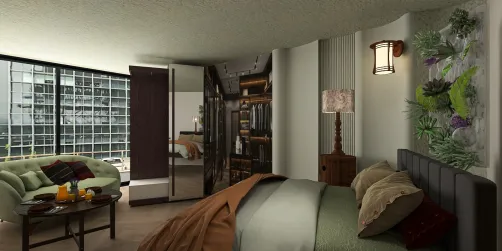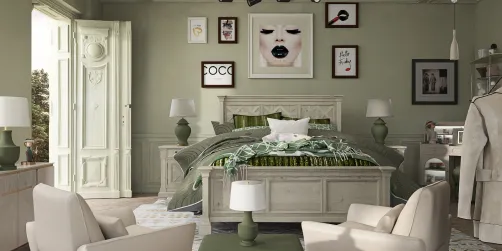
Achieving a limewash effect can remarkably enhance your living space, introducing a unique, textured finish that adds charm to your walls. This approach is ideal for anyone looking to infuse their environment with personality while minimizing effort. So, what are the steps to create this eye-catching appearance?
To begin, gather your essentials: limewash, a brush, water, and a clean cloth. Prepare your wall by ensuring it is pristine and free from dust. If you're applying it over a dark hue, you might need to use a primer first.
Step 1: Prepare Your Limewash
Limewash needs to be combined with water to achieve the correct consistency, akin to that of milk. If it’s too thick, application will be uneven; if too thin, it won’t adhere properly. A useful guideline is to mix one part limewash with two parts water.
Step 2: Apply the Initial Coat
Using your brush, apply the limewash using broad, even strokes, starting from the top and descending downward. This technique helps to prevent drips and ensures uniform coverage. Remember to maintain a wet edge to avoid noticeable lines.
Step 3: Add Texture
After your base coat has dried, you can proceed to create the limewash effect. Lightly dampen your brush with water and apply a second layer. This time, utilize a stippling or sponge technique to introduce texture. This stage is where your personal flair can truly shine!
Step 4: Final Touches
Once the textured layer is applied, allow it to dry fully. If desired, you can include a third coat for a more opaque appearance. The charm of limewash lies in its imperfections, so do not stress about achieving perfection.
Tips for Optimal Results
1. Experiment on a small patch first to familiarize yourself with the technique. 2. Opt for natural brushes to enhance the finish. 3. Ensure sufficient ventilation when using lime-based products, and consider leveraging tools like Homestyler for additional design inspiration.
FAQ
Q: How long does it take for limewash to dry? A: Limewash usually requires around 24 hours for complete drying, but this can fluctuate depending on the humidity and temperature present.
Q: Is limewash applicable to all surfaces? A: Limewash is most effective on porous materials such as brick, plaster, or drywall. It is recommended to avoid using it on sealed or glossy surfaces.
Looking to transform your space? Homestyler is your go-to online design platform! With an easy-to-use design tool, stunning 3D renderings, a plethora of creative design projects, and helpful DIY video tutorials, bringing your home vision to life has never been simpler. Dive in and get inspired!