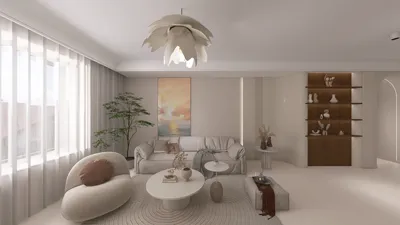


Direct Answer
A 700 square foot tiny house on wheels can surprisingly provide a cozy and functional living space for singles or couples seeking mobility without compromising essential living areas. It typically includes distinct zones like a bedroom, kitchen, and living room but demands careful downsizing and adaptable storage solutions. Choosing this option depends more on lifestyle habits than mere square footage.
Quick Takeaways
Introduction
With over ten years of experience working on small-home designs, I’ve found that a 700 square foot tiny house on wheels occupies a unique niche. It's larger than the typical 200 to 400 square foot tiny houses most envision, yet significantly smaller than average American residences.
In actual client cases, the surprise isn’t just the size but how differently people perceive the space based on layout and daily routines. Two occupants in the same 700 sq ft can either feel liberated or cramped depending on design.
Before building decisions are made, I recommend using visualization tools like Homestyler to experiment with various furniture placements and room divisions. Early visualization of movement flow and storage can reveal if the living style is truly viable.
This guide explores what it’s like to live day-to-day in a 700 sq ft tiny house on wheels, who benefits most from this scale, and the common compromises many homeowners only realize post-move-in.
save pin
Experiencing Life in a 700 Sq Ft Tiny House
Key Insight: A thoughtfully designed 700 sq ft tiny house resembles a compact apartment more than a traditional tiny dwelling.
Functionally zoning the space is crucial. Around 700 square feet comfortably accommodates:
However, maneuverability is a major factor. In smaller homes, every walkway, door, and furniture edge affects usable space. Inefficient layout choices can waste 10–15% of the area.
For instance, on a project in Oregon, a couple initially chose a conventional hallway to separate their bedroom. Modeling the plan with Homestyler exposed that the hallway consumed nearly 60 square feet. Replacing it with sliding partitions made the space feel much larger.
This example shows how spatial design outweighs raw square footage.
Ideal Residents for This Size
Key Insight: Those valuing the ease of mobility but desiring apartment-like comfort often find 700 sq ft ideal.
From my observations, the groups who gain the most include:
Families seldom find this scale practical on wheels, as kids and their belongings complicate mobility.
Industry data from the Tiny Home Industry Association indicates rising interest in tiny homes sized 500-800 sq ft, as people seek balance between minimalism and comfort.
Costs Involved in Building or Purchasing a 700 Sq Ft Tiny House
Key Insight: Larger tiny houses generally have higher per-square-foot costs due to custom trailers and engineering requirements.
Typical U.S. cost estimates include:
Trailer bases alone can range from $10,000 to $25,000 depending on load capacity.
Design iterations can be a hidden expense. Mistakes in compact homes are costly to correct, which is why many professionals encourage comprehensive digital planning. Homeowners often use Homestyler or similar software to map their tiny house floor plans in 3D, testing furniture sizes and storage options before construction.
save pin
Considerations for Mobility and Parking
Key Insight: The primary constraint of a 700 sq ft tiny house on wheels isn't its size but legal zoning and placement restrictions.
Parking regulations differ widely. In many jurisdictions, tiny houses on wheels are classified as recreational vehicles, limiting their use as permanent dwellings.
Common parking setups include:
Furthermore, transporting a 700 sq ft tiny home often nears the upper limit of towing feasibility, frequently requiring professional movers.
This leads to the misconception that "on wheels" equates to frequent moving. Most owners relocate their homes only rarely.
Lifestyle Trade-Offs to Anticipate
Key Insight: The main compromise lies in flexible room functionality, not just spatial size.
Even with 700 sq ft, multifunctional space design is standard in daily routines.
For example:
From a design standpoint, homes thriving over time treat furniture as part of the architecture. Built-in storage solutions and modular furnishings greatly enhance usable space.
save pin
Answer Box
A 700 sq ft tiny house on wheels suits individuals or couples wanting mobility combined with the comfort of a compact apartment. Success hinges on intelligent layout design rather than square footage alone.
Questions to Reflect on Before Deciding
Key Insight: Optimal choice results from assessing lifestyle requirements rather than romanticizing tiny living.
Consider asking yourself:
One recommended approach is designing the layout first and visually testing it. Platforms like Homestyler facilitate experimenting with furniture arrangements and styles in small homes, uncovering practical challenges well before construction.
save pin
Final Summary
FAQ
Is 700 sq ft considered large for a tiny house on wheels?
Yes. Most tiny houses fall between 150 and 400 sq ft. A 700 sq ft tiny home is on the larger side and usually includes distinct living areas.
Can two people live comfortably in a 700 sq ft tiny home?
Definitely. Couples appreciate this size as it allows a full bedroom, kitchen, and living area without heavy reliance on loft spaces.
What’s the cost range for a 700 sq ft tiny house on wheels?
Most units cost between $90,000 and $150,000 depending on materials, customization, and trailer engineering.
Is a 700 sq ft tiny house still considered small?
Technically yes, though it borders the upper end of tiny homes and often feels like a compact apartment.
Can you park a tiny house on wheels anywhere legally?
No. Many areas classify them as RVs, restricting full-time residential use locations.
Is moving a 700 sq ft tiny house easy?
Not necessarily. Larger models tend to be heavy and typically require professional towing services.
Should I live full-time in a 700 sq ft tiny house?
If mobility and minimalism appeal to you, this size supports comfortable full-time living.
What’s the biggest challenge of tiny house living?
The toughest part is adapting daily routines to smaller, multifunctional areas with limited storage.
References
Data derived from Tiny Home Industry Association reports and housing trend research focusing on small dwelling adoption in North America.
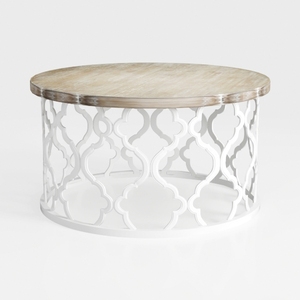

Farmhouse Coffee Table, French Country Round
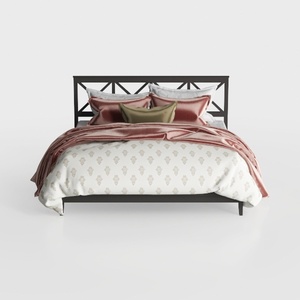
Modern Black Metal Frame Upholstered King Bed with Velvet Bedding 3D Model
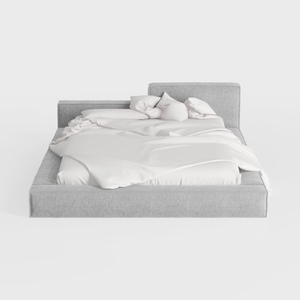
Minimalist Linen Fabric Platform Bed With Bedding 3D Model
Homestyler offers an easy-to-use online home design tool with stunning 3D renderings, inspiring design projects, and helpful video tutorials. It’s perfect for creating and visualizing your dream space effortlessly, whether you're a beginner or a design enthusiast.
Projete agora para LIVRE
































