


Direct Answer
Interior designers tackle long and narrow living rooms by dividing the space into distinct functional zones, adjusting furniture sizes, and enhancing the room's perceived width using lighting, area rugs, and thoughtful circulation planning. Rather than viewing the room as a continuous corridor, professionals create several smaller areas to direct movement and balance proportions.
The main aim is to avoid filling the room's full length and instead broaden its visual appeal while keeping pathways clear for easy movement.
Quick Takeaways
Introduction
Dealing with a long, narrow living room layout is a frequent challenge in residential interior design. Many homeowners assume that pushing furniture against the walls is a quick fix, but this often makes the space feel even more restricted and elongated.
Effective design in these tricky rooms requires deliberate spatial organization. Through numerous urban home renovations, I've found the greatest error is treating the room as a single, unbroken stretch. Experienced designers avoid this approach.
Instead, the space is treated like two or even three interconnected areas. When clients want to experiment before rearranging furniture, I often recommend digital design tools like Homestyler to visualize different layouts. Previewing zones and traffic flow helps prevent costly design errors.
This guide covers professional strategies for managing long narrow living rooms—from zoning principles and furniture scaling to lighting techniques that create an illusion of space.
save pin
Why Designers Handle Long Narrow Rooms Uniquely
Key Insight: Long narrow rooms function more like passageways than typical square living rooms, so the layout must disrupt the tunnel-like perspective.
Standard advice usually assumes a square or roughly square room. But narrow rooms exaggerate depth perception, making the space feel tighter. Designers break this visual tunnel deliberately.
The 'aha' moment in many projects comes when layouts stop aligning everything along the longest wall.
Common pitfalls many homeowners fall into:
According to spatial planning principles taught in many top design programs, it's crucial to create "visual stopping points" using furniture groupings. Narrow layouts demand even more interruptions to the line of sight.
Thus, designers intentionally segment long rooms into smaller, manageable spatial zones.
Professional Space Planning Principles
Key Insight: Prioritizing movement flow over furniture placement ensures the room doesn't feel cramped.
Before selecting sofas or chairs, designers map out walking paths. If a main walkway runs through seating areas, the room will feel congested.
I frequently use digital layout tools to simulate furniture placement and pedestrian flow within an accurate scale. This process highlights bottlenecks that hand sketches might overlook.
Core planning rules include:
These best practices align with residential design standards endorsed by institutions like the NKBA and common architectural guidelines.
save pin
Designer Zoning Approaches for Narrow Spaces
Key Insight: Dividing a long room into zones transforms it from a hallway-like area into multiple purposeful environments.
Designers often avoid one continuous living room by segmenting the layout into two or three functional sections.
Typical zoning configurations include:
To delineate zones, designers use:
A surprising tip I advise: orient seating perpendicular to the longest wall. This instantly breaks the tunnel effect and visually widens the room.
Clients are often amazed at how much broader the space feels once the furniture arrangement stops following the room's longest axis.
Furniture Scaling Guidelines Adopted by Designers
Key Insight: Narrow rooms require slimmer furniture profiles instead of just minimizing furniture count.
A common misconception is that narrow rooms demand minimal furniture; in fact, the problem is often furniture that’s too bulky for the space.
Furniture sizing principles include:
In several Los Angeles apartment renovations, swapping to sofas only 32 inches deep unlocked nearly a foot more circulation space.
If you want to experiment with layouts, tools like Homestyler that generate realistic furniture arrangements based on dimension data can demonstrate how size influences spatial balance.
save pin
Lighting and Techniques to Visually Expand Space
Key Insight: Strategic lighting placement can broaden a room's appearance without altering its physical size.
Lighting often goes unnoticed in narrow living room designs, yet it dramatically influences perceived width.
Effective lighting strategies for narrow rooms include:
Studies show cross-lighting—placing light sources across the room’s width—counteracts tunnel-like perceptions.
Properly implemented lighting can make narrow rooms feel much more balanced and inviting.
save pin
Answer Box
The most successful long narrow living room designs employ zoning, appropriately scaled furniture, and purposeful lighting to dismantle the corridor-like effect. Circulation and visual equilibrium trump cramming furniture end-to-end.
Real Designer Layout Illustrations
Key Insight: Optimal layouts depend heavily on how the living room connects to adjacent spaces.
Here are three layout styles I commonly apply in real-world residential projects.
Layout 1: Centralized Seating Arrangement
Layout 2: Divided Functional Zones
Layout 3: Perpendicular Sofa Configuration
Typically, effective long narrow room designs avoid lining furniture along walls. Instead, they create visual width by interrupting the room's longitudinal flow.
Final Summary
FAQ
1. What is the ideal layout for a long narrow living room?
Dividing the room into clear zones with an unobstructed walkway on one side is best. Floating furniture generally improves flow more than wall-hugging pieces.
2. Should furniture be pushed against walls in a narrow living room?
Not necessarily; pulling furniture slightly away from walls often enhances circulation and breaks the hallway feel.
3. Is a sectional sofa suitable for a long narrow living room?
Yes, but choose a slim-profile sectional to avoid blocking movement. L-shaped sectionals usually work better than bulky U-shaped ones.
4. How do interior designers make narrow rooms appear wider?
They employ cross-lighting, strategically placed rugs, mirrors, and orient furniture perpendicular to the room’s length.
5. What sofa dimensions are best for narrow living rooms?
Sofas less than 36 inches deep typically allow comfortable traffic flow in long, narrow layouts.
6. Should the TV be centered in a narrow living room?
Not always. Designers often offset the TV wall to preserve seating balance and circulation.
7. How many seating pieces suit a narrow living room?
Usually three to four pieces—such as a sofa, one or two chairs, and a small grouping of tables—work well.
8. What is the biggest mistake in long narrow living room design?
Treating the space like a hallway by placing furniture along both walls without creating zones is a frequent error.
References
Meta TDK
Meta Title: Interior Designer Tips for Long Narrow Living Room Layouts
Meta Description: Discover how interior designers use zoning, furniture scaling, and lighting to make long narrow living rooms appear wider and more balanced.
Meta Keywords: long narrow living room layout, interior designer tips narrow living room, professional layout long narrow living room, designer strategies narrow room layout, interior design rules narrow rooms
What began as an Autodesk innovation has evolved into a design platform used by more than 18 million people around the globe. Homestyler combines powerful rendering, an intuitive editor, and a vast furniture library to help you turn inspiration into photorealistic designs — whether you're redesigning a single room or planning an entire home.

Modern Marble Top Fluted White Solid Wood Round Coffee Table 3D Model
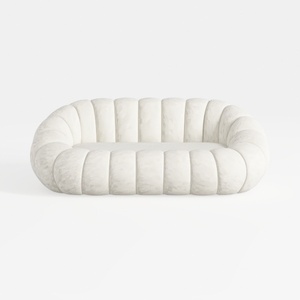
Minimalist Boucle Fabric Curved Sofa 3D Model

Minimalist Off White Fabric Large Sofa 3D Model
Homestyler offers an easy-to-use online design tool combined with stunning 3D renderings, inspiring design projects, and helpful DIY video tutorials—perfect for turning your home ideas into reality effortlessly.
Projete agora para LIVRE
































