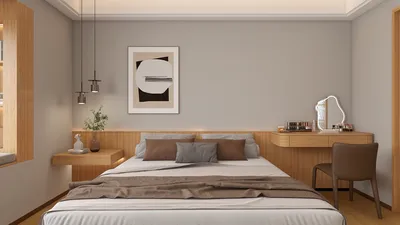


I almost persuaded a client to retain a clawfoot bathtub in a master bathroom measuring just under 7 feet — a choice that would have obstructed the window and turned towel-drying into a significant challenge. In the end, we switched gears and rapidly created a 3D mockup, which instantly instilled a sense of tranquility in the space. These small digital renderings can save a deal of hassle (and a raised eyebrow from contractors).
Compact spaces often ignite innovative concepts. In this article, I will outline five master bathroom renovation ideas without a tub, all derived from genuine projects I executed, including the practical trade-offs and budget insights I've accumulated over time.
1. Curbless walk-in shower with a linear drain
I am an avid advocate for curbless showers as they provide that seamless, spa-like experience. A single slope leading to a linear drain not only enhances accessibility but also visually expands the room. Advantages include improved accessibility, uninterrupted sightlines, and straightforward cleaning. However, careful waterproofing is vital; I once had to redo a job due to an improperly set pre-slope.
2. Wet-room transformation with a glass partition
Transforming the entire bathroom into a wet room is a daring yet ingenious choice for a master without a tub. A frameless glass barrier effectively manages water while maintaining open sightlines. While the initial costs may be higher due to full waterproofing requirements and increased drainage capacity, this design offers a luxurious, hotel-style ambiance along with extra headroom for niches and benches.
save pin
3. Double vanity combined with a built-in storage tower
In the absence of a tub, you gain valuable space for storage. I frequently suggest a double vanity accompanied by a slender storage tower positioned between or next to the sinks. This solution declutters the area and keeps essential items within easy reach. Space consideration is crucial; ensuring the tower's footprint is well-planned allows the room to retain its airy feel — a shallow depth of 12 to 15 inches typically does the trick.
save pin
4. Shower bench and niche for added comfort
Even without a tub, it’s important to embrace those bathroom rituals. A built-in shower bench paired with a recessed niche for toiletries can elevate comfort levels. I recommend matching the tiles for the bench to those on the walls to maintain a unified look; this slight additional effort pays dividends in durability and aesthetic appeal. A budgeting tip: use accent tiles for the niche to create a focal point without a significant financial commitment.
save pin
5. Heated floors, towel warmers, and layered lighting
Without a tub, consider investing in luxurious finishes: heated flooring, a wall-mounted towel warmer, and well-distributed lighting (including vanity, ambient, and shower lights). These features dramatically enhance the overall experience, although they may increase the budget. Clients often express that these are the amenities they miss the least while traveling — and those they utilize daily.
If you want to quickly experiment with a layout before making any commitments, exploring a detailed layout preview to visualize how a vanity, shower, and storage interact within your specific space can save time and frustration down the line.
Practical insights from my experiences: ensure your ventilation is robust when eliminating a tub (more showering means increased humidity), opt for vertical storage solutions, and don’t compromise on waterproofing. For added inspiration, I sometimes use AI-assisted design tools to swiftly evaluate color and material combinations — yes, even traditional designers like me embrace technological shortcuts!
save pin
FAQ
Q1: Is it advisable to remove a tub in the master suite for resale value?
It varies depending on your local market and buyer preferences. In urban areas where space is limited, a high-end master without a tub featuring a curbless shower can be a substantial advantage. In family-oriented suburbs, buyers may prefer at least one bathtub in the house.
Q2: What is the cost difference between a curbless shower and a standard shower?
Curbless showers typically cost more due to the required waterproofing and possible adjustments to the floor’s slope. You can expect to add about 10–25% to the cost of a standard shower installation, depending on design complexity and finish options.
Q3: Will I need to upgrade plumbing if I remove a tub?
Not always, but plumbing modifications are often necessary if you're changing drain locations, incorporating a linear drain, or expanding the shower size. Consult with a plumber early in your planning process for the best guidance.
Q4: What ventilation rate do bathrooms typically require?
This can vary by code, but a common recommendation is at least 50 cubic feet per minute (CFM) for an average bathroom equipped with a shower. Larger wet rooms may require higher CFM and timed fans; refer to the EPA's indoor air guidelines for more information: https://www.epa.gov/indoor-air-quality-iaq.
Q5: Are heated floors a worthwhile investment in a remodel?
Heated floors represent a high-value comfort enhancement, particularly for tiled areas and morning routines. They require minimal maintenance and can be zoned to manage costs.
Q6: How can I maximize storage while avoiding a cramped feeling?
Utilize vertical space: tall cabinets, recessed medicine cabinets, and niches can help. Consider mirrored cabinet faces to reflect light and create a sense of depth. Slim-profile storage towers effectively reduce clutter problems.
Q7: What type of tiles are best for wet rooms?
Porcelain tiles with a matte finish provide both grip and durability. Larger format tiles minimize grout lines and contribute to a cleaner appearance, though proper drainage slopes need careful planning.
Q8: How can I plan my layout before work begins?
Initiate the process with simple sketches, followed by precise floor planning. Utilizing visual previews or 3D mockups at the outset can prevent costly changes later and assist in selecting appropriately scaled fixtures.
save pin
Looking to transform your space? Homestyler is your go-to online home design platform! With its user-friendly design tool, stunning 3D renderings, and a wealth of DIY video tutorials, you can effortlessly create and visualize your dream home. Start designing today!
Projete agora para LIVRE
































