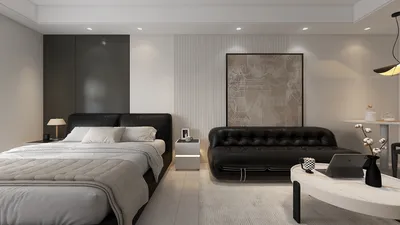


Common pitfalls in Chinese living room design often stem from excessive use of symbolic colors, mismatched furniture styles, and neglecting traditional spatial harmony. Genuine Chinese interiors prioritize subtlety, balance, and culturally-rooted spatial arrangements rather than excessive decoration.
To address these issues, simplifying the color scheme, ensuring furniture aligns properly, and incorporating a few culturally significant pieces instead of random ornaments usually works best.
Insights from Experience
Having collaborated on numerous Asian-inspired interior designs over the last decade, I’ve noticed homeowners often struggle most with Chinese-themed living rooms. Their goals are typically elegance, cultural depth, and warmth; however, the final look can resemble a themed exhibit or restaurant rather than a cozy residence.
Many design errors arise from imitating superficial visuals without grasping the underlying spatial principles traditional Chinese interiors observe. Clients frequently add lanterns, calligraphy, or red decorations but overlook balance in layout, furniture scale, and material harmony.
Visualizing the flow of space before adding decor is crucial. Utilizing tools like Homestyler to experiment with room layouts helps identify proportional inconsistencies that photos alone fail to reveal.
Below are typical challenges seen in Chinese-style living rooms and practical solutions to enhance authenticity.
Why Authenticity Often Lacks in Chinese-Themed Living Rooms
The primary reason many Chinese interiors appear inauthentic is because decoration symbols are copied superficially without respecting traditional spatial rules.
Traditional Chinese interiors emphasize harmony, symmetrical design, and restraint. Historic courtyard homes and scholars’ residences often employ minimal ornamentation, relying instead on architectural form and furniture proportions to convey authenticity.
Common authenticity issues include:
Design experts often highlight Ming dynasty furniture—celebrated for its clean lines and elegant construction—as the pinnacle of Chinese furniture design. Museums such as the Metropolitan Museum of Art emphasize that minimal decoration defines genuine Chinese furnishings.
Rooms that depend solely on decorative motifs without spatial coherence tend to feel artificial and staged.
Avoiding Excessive Red and Gold
Red and gold should be used as accent colors within Chinese living rooms, not dominate the entire color scheme.
A prevalent decorating issue is color overload. While red symbolizes prosperity and festivity in Chinese culture, its use in home interiors is generally subtle and selective.
Many contemporary Chinese homes utilize a base palette comprised of:
A more balanced color strategy:
This restrained palette aligns with the aesthetics found in modern Chinese apartments and boutique hotels.
Blending Modern Furniture with Traditional Pieces Appropriately
Successful style mixing requires that materials and shapes maintain visual harmony.
In modern Chinese interiors, combining contemporary sofas with traditional elements like lattice screens or Ming-style chairs is common. Problems arise when the materials or scale clash.
Common errors in mixing styles include:
A safer approach to blending styles includes:
Before purchasing furniture, I recommend using Homestyler's digital interior planning to preview the setup. This visualization helps determine whether pieces complement each other before arrival.
Ensuring Proper Furniture Arrangement and Respecting Cultural Layout
Authentic Chinese living spaces traditionally follow a central axis layout often overlooked by modern interiors.
Rooms are typically symmetrically arranged, with primary seating directed toward a focal wall, communicating balance and a hierarchical order.
Traditional layouts often feature:
Random or angled furniture arrangements disrupt the calm, rhythmic flow characteristic of Chinese interiors.
How to Correct Imbalanced Chinese Living Room Designs
Most spatial issues can be resolved by decluttering and reinstating structural order.
Instead of accumulating decorations, reducing clutter enhances visual breathing space, essential to authentic Chinese aesthetics.
A stepwise design improvement might include:
Rendering a photorealistic visualization of the updated layout with tools such as Homestyler before decorating helps verify balanced proportions and spatial harmony.
Quick Fixes to Boost Authenticity
Minor modifications can significantly enhance the genuine feel of a Chinese-themed living room.
Common refinements I suggest are:
Authentic Chinese interiors often feel serene and understated rather than overly ornate.
Final Thoughts
FAQ
Why does my Chinese style living room feel off?
The typical reason is excessive symbolic decorations alongside poor furniture balance. True Chinese interiors focus on symmetry and subtle accents.
Which colors suit a Chinese living room?
Neutral walls combined with warm wood tones and strategic red accents are most effective. Traditional designs rarely feature red as the dominant hue on walls.
Can modern furniture suit Chinese interior aesthetics?
Absolutely. Opt for modern pieces with simple, clean lines paired with one or two traditional elements to create balance.
What are common mistakes in Chinese living room design?
Overuse of red, mixing incompatible Asian styles, disregarding symmetry, and adding excessive decorations are frequent errors.
How do I make my Chinese-themed living room appear authentic?
Focus on balanced layouts, natural wood textures, minimal accent colors, and culturally meaningful art.
Is feng shui necessary for Chinese living room design?
While not mandatory, many traditional layouts naturally embody feng shui principles like balanced flow and clear focal points.
How many decorative elements are ideal in a Chinese living room?
Generally, three to five key pieces suffice; over-decoration diminishes authenticity.
Which furniture style is considered most authentic for Chinese interiors?
Ming-style furniture, with its clean lines and elegant wood craftsmanship, is widely recognized as the iconic traditional choice.

Boucle Fabric Solid Wood Base Modern Sofa 3D Model
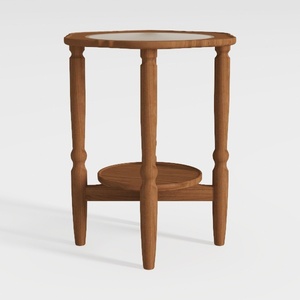

HOOBRO Small Round Side Table with Charging
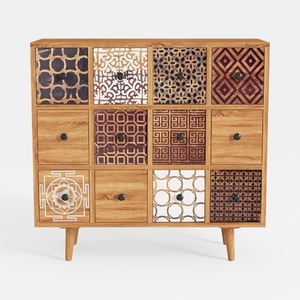
Bohemian Solid Wood Multidrawer Accent Cabinet With Patterned Fronts 3D Model
Homestyler is an easy-to-use online platform offering powerful home design tools, stunning 3D renderings, inspiring design projects, and helpful DIY video tutorials—perfect for bringing your interior decoration ideas to life effortlessly.
Projete agora para LIVRE
































