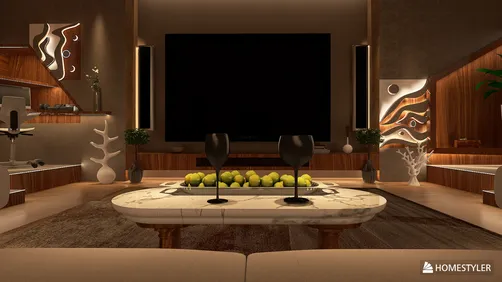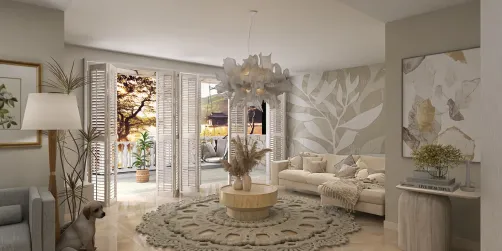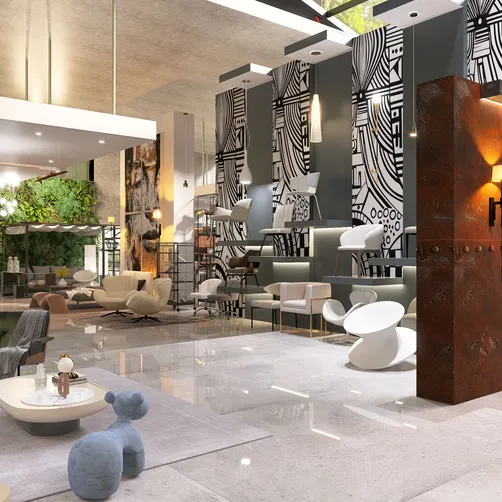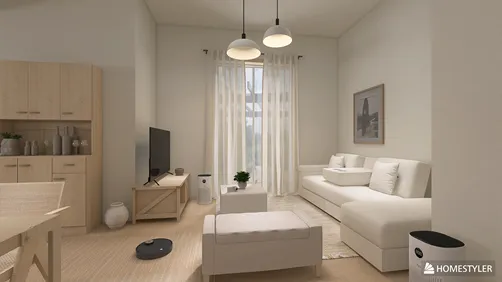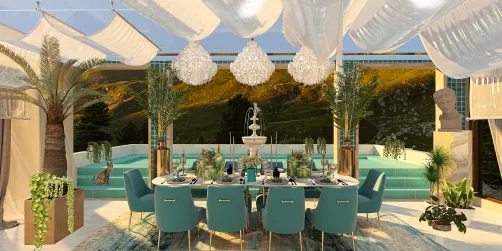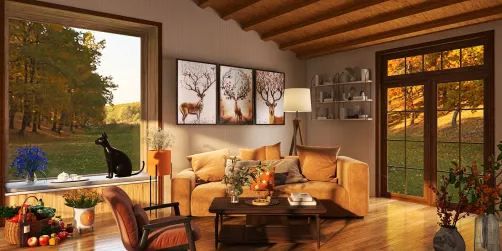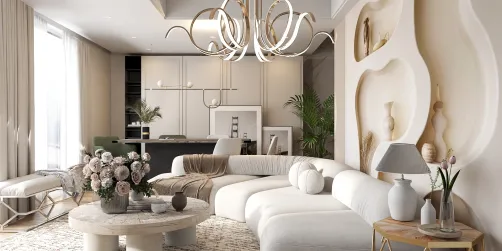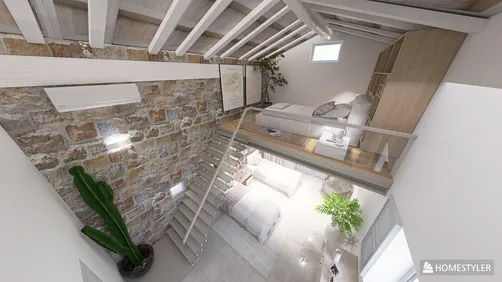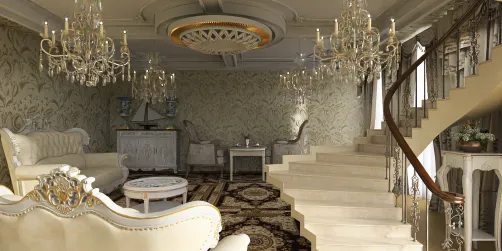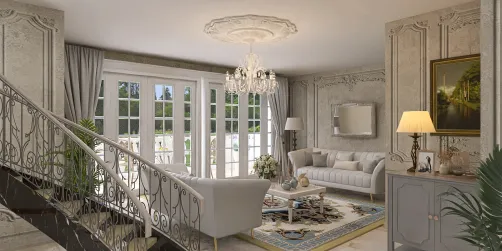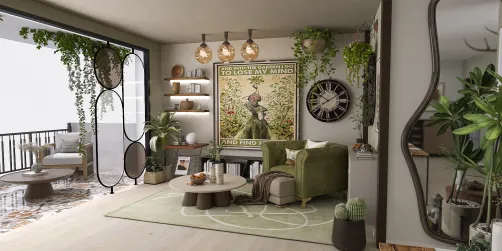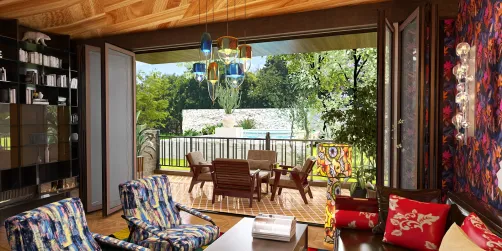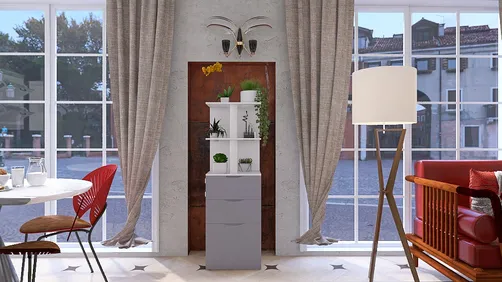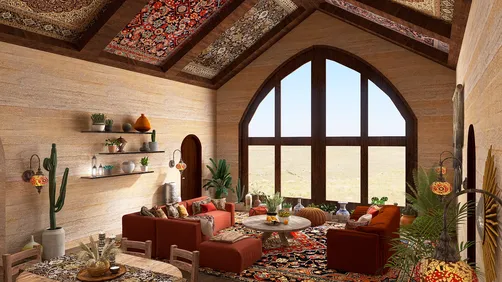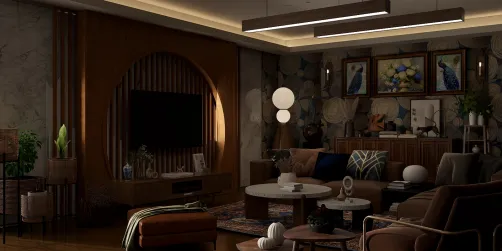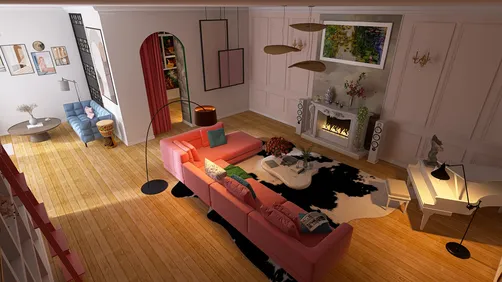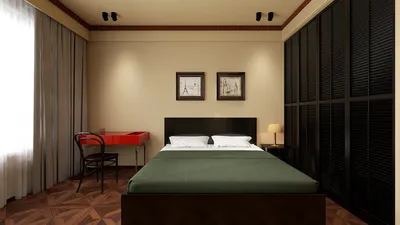
For living rooms that require warmth without overwhelming heaviness, cream serves as an excellent foundational color. It responds beautifully to variations in natural light, complements diverse skin tones, and allows for the art, greenery, and textures in the space to take center stage. In my various designs, I've noticed that cream backdrops enhance the sense of openness and visual comfort, especially when combined with carefully planned lighting and a thoughtfully selected materials palette. The transformative power of Homestyler can assist in visualizing these concepts.
Research corroborates my observations on-site: Recommendations from WELL v2 highlight the importance of reducing glare, ensuring appropriate color rendering, and utilizing layered lighting systems to foster comfort and mood. These principles enhance the richness of cream palettes instead of making them appear flat (WELL v2 Lighting, L03–L06). Additionally, findings from Gensler’s 2024 workplace research suggest that merging serene neutral palettes with deliberate accent colors can mitigate cognitive overload and boost concentration—an approach I frequently apply in residential living spaces renowned for their multitasking potential.
Cream as a Foundation: Undertones, Sheen, and Scale
Cream is not merely a single hue; it varies with warm or cool undertones depending on lighting conditions. When assessing a space, I consider both light direction (north vs. south) and major material interactions, such as flooring, stone, and significant furniture pieces. In rooms with north-facing windows, cool daylight neutralizes warmth, so I opt for cream shades with soft yellow or peach undertones. Conversely, in sun-drenched interiors, a slightly greige cream is ideal to prevent excessive golden tones at noon. For walls, an eggshell or matte finish minimizes glare, while satin trim creates subtle contrast without being overly stark. More spacious areas can handle increased warmth, while compact rooms benefit from a purer cream that avoids veering into beige territory.
Timeless Cream Color Combinations
A successful triad that balances temperature and contrast includes a charcoal rug for grounding, walnut for mid-tone warmth, and airy cream walls and drapes. To maintain visual lightness, ensure that charcoal comprises only 10–20% of the overall palette. For a gentle luminosity, consider adding soft brass accents.
Sage tones not only reduce visual stress but also complement organic textures beautifully. According to Verywell Mind, greens are linked to restoration and equilibrium, which aligns with client feedback concerning relaxation and stress alleviation. Incorporating sage through singular upholstered pieces or built-ins, along with oak elements, creates a harmonious link between varying patterns within the palette.
Indigo serves as a cool anchor without appearing too dark, making it ideal for textiles like striped linen or faded denim slipcovers, which develop character over time. It's essential to maintain warmth in cream walls so that indigo does not present a chilling contrast.
Pairing terracotta tiles or a clay vase with rust mohair pillows infuses a sun-warmed ambiance. This combination flourishes in late afternoon light, and a bronze floor lamp can seamlessly connect the tones while adding a touch of patina.
In instances where clients prefer minimal colors, I focus on adding depth with rich-textured bouclé, open-pore oak, limewash finishes, and unglazed ceramic elements. Subtly varying gloss levels helps in preventing cream from appearing flat under strong daylight, showcasing the diverse palettes available through tools like Homestyler.
Lighting That Elevates Cream
When illuminated, cream can exude luxury or appear chalky. Following IES recommendations, I prioritize layering ambient, task, and accent lighting while aiming for a color temperature between 2700–3000K in the evening to ensure warmth with high color rendering (CRI 90+) that preserves the true nature of woods and fabrics. Dimmer switches are essential; managing glare takes precedence over fixture aesthetics. Utilizing indirect wall washers enhances the texture of plaster or limewash while a low-glare floor lamp suits reading activities. To reduce strain on the eyes, ceilings should be painted a darker shade than pure white, minimizing contrast ratios.
Detailed analyses: The strategies outlined in WELL v2 regarding lighting and daylight glare provide practical goals for achieving optimal color rendering and brightness distribution. For a broader perspective on how to create environments that enhance focus and restoration, consult the relevant research highlights from Gensler's design studies.
Room Layout Principles for Calming Cream-Centric Spaces
Cream rooms highlight the importance of proportion in design choices. I begin by ensuring a circulation pathway of at least 900 mm (approximately 36 inches) around seating arrangements and maintain a distance of 350–450 mm (14–18 inches) between the coffee table and sofa for ergonomic convenience. Anchoring the arrangement with a rug that accommodates the front legs of all seating pieces—ideally all legs—creates visual unity. When experimenting with sofa orientation, using an interior layout planner can help test sightlines and optimal TV placement before finalizing decisions. Utilizing a room layout tool can simulate clearances and lighting distribution effectively.
Materials and Finishes: Prioritizing Calm Over Shine
Reflective surfaces can bounce light and diminish the softness of cream. I favor matte or honed stone materials (like limestone or travertine), oiled wood finishes, and soft metals. Employing a single dominant grain or pattern maintains a cohesive look, while excessive mixing can detract from the tranquility that cream offers. For eco-conscious choices, I recommend low-VOC paints and FSC-certified woods; utilizing durable natural fibers like wool or cotton-linen blends enhances longevity and authenticity within the palette.
Exploring Color Psychology and Its Effects on Behavior
Cream establishes a calming base, allowing small bursts of accent colors to have a pronounced effect. Cooler shades such as blues and greens promote tranquility and concentration, whereas warmer touches (like terracotta and ochre) bring a sense of sociability. Verywell Mind's perspective on color psychology aligns well with my practical experiences: cooler tones encourage relaxation, while warmer tones invigorate. In living areas that need to transition between work and relaxation, I advocate for neutral backgrounds with accents that can be rotated according to the season.
Considering Acoustic Comfort
Neutral-colored spaces tend to amplify noise more quickly than darker, busier designs. Therefore, incorporating acoustic textiles—like dense rugs, lined curtains, and plush upholstery—can help minimize reverberation. Strategically placing bookshelves or artworks against hard, parallel walls can further disrupt sound reflections. A serene environment allows cream to evoke intentionality rather than a bare appearance.
Managing Window Treatments and Daylight
Layering sheer and drape fabrics ensures that cream maintains a consistent appearance from morning to evening. Northern light can render creams slightly gray; hence, using warm-lined drapes can counterbalance such shifts. For southern and western exposures, solar sheers effectively reduce glare while preserving the gentle glow essential for cream-laden spaces.
Styling Elements: Integrating Art, Plants, and Metallic Finishes
Utilizing black frames against cream walls provides sharp contrast; floating canvases contribute a softer touch. Selecting plants with textured leaves (like rubber plants or fiddle leaf figs) adds contrast to the space's texture. Limit the number of metallic finishes to one dominant tone—such as aged brass or burnished nickel—to prevent visual clutter. In a cream-based palette, consistency often trumps variety.
Design Trends for 2024-2025
Emerging design trends reveal an increasing affinity for limewash textures, low-sheen microcement fireplaces, sculptural bouclé sofas, and refined rugs complemented by tactile underlays. The unifying theme remains: understated forms with textural richness, allowing cream to feel complete without the need for vibrant colors, an idea easily explored using Homestyler.
Cream Room Pairings Room by Room
Pair cream with pale greige and smoked oak legs, and consider adding vertical drapery to create a sense of greater ceiling height. Utilize a rug that almost spans the entire room to minimize visual interruptions.
In the lounge, incorporate cream alongside a slightly deeper neutral in the dining area to delineate spaces without harsh boundaries. Repeating a single accent color—like sage or indigo—between both regions fosters continuity.
Opt for a cream with delicate warm undertones; layer in 3000K lighting alongside warm woods to offset any cool light contrasts.
Rapid Palette Combinations
Frequently Asked Questions
Choosing a cream with soft yellow or peach undertones can effectively balance cooler gray flooring. It's advisable to test large paint samples in both morning and evening lighting to avoid a dingy appearance on the walls.
For primary fixtures, aim for a color temperature range of 2700–3000K with a CRI of 90+. This range ensures that woods and fabrics maintain their natural appearance while preventing cream tones from looking too stark during nighttime.
Yes—a palette can incorporate bright colors up to 10–15%, focusing on textiles or artworks for placement. This approach keeps the overall atmosphere serene while allowing for easy seasonal updates to accents.
Incorporating mid-tone contrasts like charcoal, olive, or indigo creates a durable composition, with a medium-depth rug helping to anchor the overall design and preventing the space from appearing washed out.
Select a cream with mild gray or beige undertones and utilize solar sheers for glare control, balancing these with cooler accent colors, such as indigo or charcoal.
Absolutely—limewash adds a layer of depth and soft shadows, which contributes to an inviting atmosphere for cream. When paired with low-glare wall washers, texture becomes pronounced.
Metal finishes such as aged brass, bronze, and burnished nickel can all work harmoniously together. Choose a single finish as the primary tone and repeat it throughout lamps, frames, and hardware for a cohesive look.
Ensure a minimal circulation path of 900 mm, float furniture away from walls when possible, and use appropriately sized rugs to unite the seating area. Experiment with orientations using a room layout tool to confirm accessibility and sightlines.
Yes, it can—consider a warm undertone cream layered with warm woods, textured textiles, and lighting set at 3000K. Lined drapes also play a key role in countering cool daylight effects.
Utilize high-quality solar sheers with UV protection during the daytime hours, and implement lined drapes for evenings. This combination preserves color integrity while reducing glare.
In a cream palette, it’s best to limit patterns—employ one standout pattern while keeping other elements subtle (such as tone-on-tone weaves). Excessive patterns can disrupt the calming effect of cream.
Opt for sustainable materials like low-VOC paints, FSC-certified oak or walnut, natural wool rugs, and linen-cotton blends. These not only blend seamlessly but also improve over time while maintaining a soft palette appearance.

Discover the ease of home design with Homestyler! This online platform offers a user-friendly design tool, stunning 3D renderings, and a wealth of inspirational design projects. Plus, with informative DIY video tutorials, you'll effortlessly create and visualize your dream space—perfect for any homeowner!