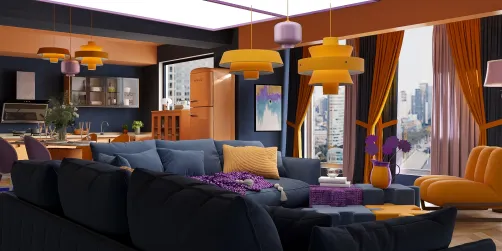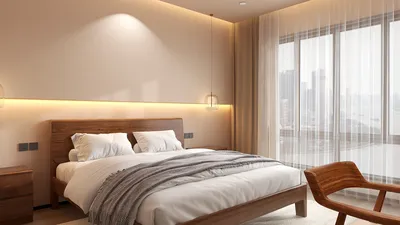
In the field of interior design and architecture, 3D modeling plays a crucial role in developing effective visualizations and architectural plans. A deep comprehension of various 3D model file formats is vital for designers, architects, and clients who seek to engage in the creative process. Commonly used formats such as STL, OBJ, FBX, 3DS, and Collada (DAE) each present distinct advantages tailored to different software ecosystems and applications. For example, STL files are frequently preferred for 3D printing due to their straightforward nature, while OBJ files maintain detailed geometry and texture mapping, making them ideal for rendering and animations. FBX is particularly valued for its interoperability across major design platforms, facilitating the transfer of intricate scenes complete with animations. Selecting the appropriate format significantly influences compatibility across various design tools, as well as the efficiency and quality of collaboration among team members, especially when utilizing tools like Homestyler.
As an interior designer, I deliberately consider which file format to select based on the intended usage of the model—whether for visualization, construction, or an interactive design review. For instance, in advanced design workflows or collaborative endeavors, opting for a flexible format such as FBX ensures a smooth transition from initial concept to final presentation. When incorporating models into detailed 3D rendered home environments, choosing the right file format is critical for achieving both realism and adaptability, thereby ensuring that the end result aligns with the team’s vision and enhances the overall creative process, particularly when using platforms like Homestyler.
Tips 1:
When navigating multiple platforms and design phases, always maintain an original version of your files in the highest-supported format. This strategy acts as a safeguard against compatibility challenges and guarantees that you can convert or export to other formats without compromising data integrity or quality.
FAQ
Q: What are the most common 3D model file formats used in interior design?
A: The most frequently utilized formats include STL, OBJ, FBX, 3DS, and DAE, each with its own unique features and compatibility implications.
Q: Why is the choice of 3D file format important?
A: The chosen format influences compatibility with various software, the capacity to incorporate textures or animations, and the ease of collaboration among design professionals.
Q: Are some file formats more suitable for 3D printing than others?
A: Absolutely, STL remains the industry standard for 3D printing due to its emphasis on geometric data and its broad compatibility with printing software.
Q: Is it possible to convert between different 3D file formats?
A: Many contemporary design tools permit the export and conversion of various formats, although certain elements such as textures or animations may not always transfer seamlessly.
Q: What should I keep in mind when sending 3D models to clients or collaborators?
A: Ensure that they possess software compatible with the chosen file format and consider providing accompanying documentation or previews to mitigate potential compatibility or usage issues.

Homestyler is an exceptional online home design platform that empowers users to create stunning spaces effortlessly. With its user-friendly design tool, rich 3D rendering options, inspiring design projects, and helpful DIY video tutorials, you can easily visualize and implement your dream home concepts.