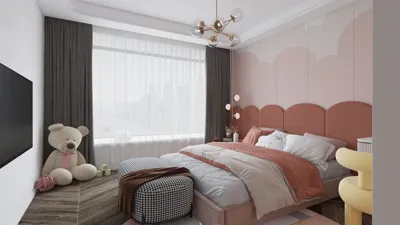


Creating a structural design in a 3D environment can be an exhilarating yet demanding task. Whether you’re a budding designer or an experienced architect, mastering the art of structural creation is crucial for the success of your projects. In this guide, we will take you through the key steps and valuable tips to help you craft impressive 3D structures confidently, incorporating features of Homestyler along the way.
Grasping the Fundamentals of 3D Modeling
Before you commence building structures, it’s essential to have a solid understanding of 3D modeling fundamentals. A 3D model is made up of several components, including vertices, edges, and faces. Knowing these elements allows you to manipulate shapes effectively and create detailed designs.
Consider the example of a fundamental cube; it contains 8 vertices, 12 edges, and 6 faces. With this base knowledge, you can progress to designing more intricate shapes. Are you well acquainted with the software at your disposal? Familiarity with your tools, whether it’s Homestyler, SketchUp, or AutoCAD, is critical.
A Comprehensive Guide on Constructing a Structure
1. **Clarify Your Vision**: Begin with a well-defined idea of what you'd like to construct. Will it be a home, a commercial space, or an item of furniture? Draft your concept on paper to visualize your intended structure.
2. **Select the Appropriate Software**: Choose a 3D modeling tool that aligns with your project requirements. Some applications are more suited for architecture, while others may focus on product design. What is your preferred software choice?
3. **Organize Your Workspace**: Create an organized and clutter-free workspace within your software. Arrange layers, grids, and reference images to enhance your modeling experience.
Best Practices for Building a Solid Structure
While constructing your structure, keep these recommendations in mind:
- **Employ a Grid System**: This method helps maintain proportionality and ensures accurate alignment. Have you configured your grid setup correctly?
- **Use Realistic Measurements**: Make sure the dimensions in your model correspond with real-life sizes. This will aid in both visualization and rendering processes.
- **Experiment with Different Materials**: Try out a variety of textures and materials to determine what aligns best with your design aspirations.
Strengthening Structural Integrity
As you develop your design, it's crucial to always keep structural integrity in mind. Applying fundamental engineering principles guarantees that your 3D model is not only aesthetically pleasing but also robust. This consideration is especially vital when dealing with real-world constructions.
Utilize stress-testing features within your modeling software to uncover potential vulnerabilities and refine your design accordingly. Seeking advice from a structural engineer can also lend invaluable insights during your modeling journey.
Discovering Advanced Modeling Techniques
After mastering the basics, push your limits with advanced modeling techniques like parametric design and iterative modeling. These strategies offer a greater scope for creativity and flexibility in your projects. Keep abreast of the latest advancements and methodologies in the 3D modeling sector to perpetually enhance your expertise.
Connecting with the Community
Participating in online forums and communities can provide support and inspiration for your work. Share your projects, solicit feedback, and gain insights from fellow enthusiasts. Platforms such as Behance or dedicated social media groups can link you with individuals who share your passion for 3D modeling and design.
Frequently Asked Questions
Q: Which software is the most suitable for developing 3D models?
A: The best choice depends on your specific project needs, with popular options being Homestyler, SketchUp, and AutoCAD for architectural applications.
Q: How can I apply textures to my 3D model?
A: Most 3D modeling applications come equipped with options for adding textures through material libraries. Experiment with these features to enhance the realism of your model.
Q: What should I focus on regarding structural integrity in my models?
A: Always incorporate authentic measurements and adhere to engineering principles to ensure your designs are both feasible and practical.
Q: Is it possible to collaborate with other designers on 3D projects?
A: Absolutely! Many design software platforms now support collaborative features, enabling multiple users to engage in a project simultaneously.




Discover the ease of home design with Homestyler! This outstanding online platform offers an intuitive design tool, stunning 3D renderings, an array of inspiring design projects, and helpful DIY video tutorials. Transform your ideas into reality and create the home of your dreams effortlessly!
Projete agora para LIVRE
































