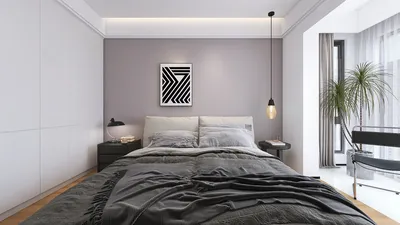


A memorable incident occurred when I persuaded a client that a charcoal sofa could beautifully complement every shade of green — until their beloved succulents decided to protest the color scheme. This experience highlighted for me that the interplay of gray and green can either create a harmonious atmosphere or an overwhelming muddle, depending heavily on the tones and lighting chosen. Interestingly, designing for compact spaces transforms these combinations into even more fascinating experiments; the limited area encourages intentionality in terms of contrast, texture, and arrangement.
1. Warm Dove Gray with Sage Touches
I prefer beginning with a warm dove gray hue on walls and enhancing the space with sage throw pillows, airy linen curtains, and a textured woven rug. This combination evokes a soothing and inviting ambiance; however, too much beige undertone may render the appearance flat. To invigorate the space, consider adding a shiny or metallic accent, such as a brass lamp. A budget-friendly idea is to refresh the look seasonally by swapping out cushions.
save pin
2. Charcoal Foundation + Olive Statement Pieces
Utilizing charcoal as a foundational color allows green furniture to stand out brilliantly — envision an olive armchair or a plush velvet loveseat. This pairing communicates both sophistication and coziness, but keep in mind that charcoal can absorb light in smaller spaces; therefore, introducing mirrored or glass elements can help maintain an open feel. I implemented this in a city apartment, where the olive chair became a centerpiece, garnering much admiration from guests.
save pin
3. Versatile Greige Walls with Emerald Highlights
Greige walls provide excellent versatility: accessories such as emerald cushions, drapes, or artwork introduce a dramatic touch without being overwhelming. The benefit lies in the refined contrast; however, maintaining balance is crucial to ensure the emerald accents do not dominate. For an economical touch, utilize emerald in smaller textiles and rotate your accessories — this keeps the overall look luxurious without a hefty price tag.
save pin
4. Textured Designs: Concrete Gray and Botanical Green
Combine a concrete-gray sofa or polished flooring with botanical green accents, bolstered by an abundance of plant life. Textural elements like knitted throws, rattan baskets, and ceramic pots offer warmth and prevent the aesthetic from feeling sterile. The key consideration? Plants require maintenance — opt for low-care varieties if you travel frequently.
save pin
5. Monochromatic Gray with Mint Accents
An almost monochrome gray scheme that features mint highlights generates a modern feel that is quite airy. Items like mint lamps, vases, or a painted sideboard inject vibrancy without creating clutter. This method is particularly forgiving for smaller spaces; however, it's worth testing mint samples at various times of day to ensure it doesn't appear too pastel in bright light.
If you're looking to experiment with layouts quickly, I often sketch various options before finalizing furniture placements — this significantly reduces the guesswork involved.
save pin
Tips 1:
For efficient planning and experimentation with color placements, consider using a 3D floor planner like Homestyler, which allows you to visualize scale and lighting effectively. During a redesign, I found similar tools indispensable in avoiding a sofa selection that would have obstructed natural light.
save pin
FAQ
Q: Which gray shade pairs best with green? A: Warmer grays complement muted greens like sage, whereas cool grays harmonize with vibrant greens such as emerald. Always test paint swatches in your room's lighting.
Q: How can I prevent a small living room from feeling dark with charcoal gray? A: Adding reflective surfaces, layers of lighting, and lighter textiles can significantly brighten the space.
Q: Are plants essential for a gray and green color scheme? A: While plants enhance the overall look, they are not mandatory; green textiles and artwork can effectively achieve a similar effect with less upkeep.
Q: Which metallic accents work well with gray and green? A: Brass or antique gold warms the palette, while chrome or brushed nickel can keep it looking contemporary.
Q: Is it possible to mix different green shades? A: Absolutely — layering both muted and saturated greens can add depth; just ensure one shade dominates to avoid visual confusion.
Q: What are some affordable methods to refresh a gray and green scheme? A: Changing out cushions, adding a standout chair, or repainting an accent wall can create a significant impact that’s cost-effective.
Q: How do I decide between cool and warm gray tones? A: Evaluate your room's natural light and existing wood finishes; warm gray pairs with warm woods, while cool gray works better with cooler materials.
Q: Where can I explore professional layout ideas and templates? A: Tools like Homestyler offer practical examples and layout inspiration that can help you plan effectively (see their resources for design ideas). Additionally, consulting authoritative sources like the Pantone Color Institute can guide you in selecting precise paint undertones.
save pin
Looking to transform your home? Homestyler is your go-to online design platform! With its user-friendly design tool, stunning 3D renderings, and a wealth of design projects and video tutorials, you can effortlessly create your dream space, no matter your experience level. Start designing today!
Projete agora para LIVRE
































