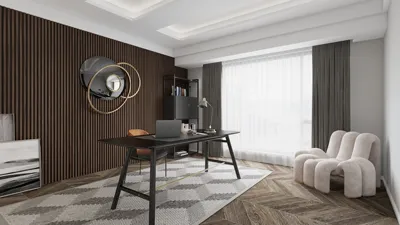


In the world of fashion and lifestyle, figures like Anna Wintour set trends that influence not only wardrobes but also personal environments. Embracing a style inspired by iconic personalities can inspire a home’s interior design, where classic elegance meets modern functionality. Incorporating timeless pieces and sophisticated textures into living spaces creates an ambiance that reflects both confidence and creativity, much like the curated style of a fashion editor’s world.
Direct Answer
An interior design room finish selector is a specialized tool or method that enables designers to choose harmonized materials, colors, and surface treatments for a particular space. This tool streamlines decisions related to flooring, wall coverings, trims, cabinetry, and fixtures to ensure a unified and practical room aesthetic.
Rather than picking materials arbitrarily, a room finish selector organizes all finishes within a systematic framework, accelerating the design process and minimizing costly errors during construction.
Quick Takeaways
Introduction
During my early experience with residential renovations in Los Angeles, I noticed a frequent challenge: homeowners would individually select stunning materials, yet the overall room felt disjointed. The tile looked appealing on its own, the flooring impressed in showrooms, and the paint color was trendy, but combined, the room lacked visual harmony.
This challenge emphasizes why industry professionals depend on an interior design room finish selector. Over a decade of managing residential projects has taught me that finish selection is less about personal preference and more about implementing a systematic approach. Using a structured selection method avoids visual clutter, prevents budget overruns, and guarantees that every element supports the design narrative cohesively.
In this article, I will detail how a room finish selector functions, its importance, and how designers incorporate it in real-world projects using tools like Homestyler for visualization.
save pin
What Is a Room Finish Selector in Interior Design
Key Insight: A room finish selector is essentially a curated framework compiling all surface materials planned for a specific room.
In professional design documents, finishes are rarely chosen independently. Instead, they appear grouped in a coordinated selection chart that matches materials across several surfaces.
A typical room finish selector contains:
Architectural firms often document this as a "finish schedule" in construction plans. Interior designers tend to create more visual versions to help clients grasp how the finishes interrelate.
According to the American Society of Interior Designers (ASID), using structured finish documentation minimizes change orders during construction since material choices are finalized earlier.
Why Designers Use Finish Selection Systems Instead of Picking Materials Individually
Key Insight: Professionals consider finishes as an interconnected system because materials influence one another's appearance through lighting, texture, and contrast.
A common misconception among homeowners is to believe finishes can be chosen separately. However, materials dramatically impact each other’s perception when combined.
Designers always examine three key interactions:
For example, in a West Hollywood condominium project, the client initially chose glossy marble floors, shiny cabinetry, and reflective backsplash tiles. Individually, these selections felt luxurious, but together, they created an overly bright and harsh atmosphere under natural light.
By employing a room finish selector, we adjusted the design with matte cabinetry and textured plaster walls to reestablish balance.
save pin
How Do Designers Build a Room Finish Selector Step by Step
Key Insight: Effective finish selectors follow a hierarchy beginning with the largest surface areas.
When guiding junior designers, I stress that finish choices should proceed from major surfaces to finer details to maintain cohesiveness.
A typical professional workflow includes:
Following this sequence avoids the frequent error of selecting dramatic feature materials before confirming foundational surfaces.
save pin
What Mistakes Do People Make When Selecting Room Finishes
Key Insight: The most costly finish errors stem from neglecting scale, lighting effects, and maintenance requirements.
After reviewing hundreds of residential projects, recurring issues are evident.
Common mistakes in finish selection include:
A Houzz survey on renovations revealed that regret over material choices ranks among the top homeowner complaints post-remodel.
save pin
Can AI Tools Help With Room Finish Selection
Key Insight: AI-powered design tools can speed up finish option exploration, but expert human judgment remains crucial.
Recently, many designers experiment with AI visualization solutions, like those offered within platforms such as Homestyler, to quickly produce finish combinations for review.
These tools support activities such as:
However, AI often misses critical factors like material availability, installation challenges, and budget constraints.
In professional practice, AI-generated concepts serve as references during early design stages, yet the definitive room finish selector relies on tangible samples and in-person evaluation.
Answer Box
A room finish selector helps interior designers align all surface finishes in one space. By organizing flooring, walls, cabinetry, and fixtures into an integrated system, it guarantees visual harmony, prevents expensive clashes, and streamlines design decisions.
How a Good Finish Selector Improves Budget Control
Key Insight: Finish selectors uncover hidden budgetary conflicts early, facilitating cost management.
An often-overlooked advantage of structured finish planning is increased budget clarity.
Selecting materials independently frequently leads to late-stage cost surges. Conversely, a comprehensive finish selector enables comparison and prioritization of materials across the room.
Example cost comparison:
Considering all finishes simultaneously allows allocation of funds toward focal surfaces while economizing on secondary ones.
Final Summary
FAQ
What is a room finish selector?
An interior design room finish selector is a detailed guide organizing all surfaces—flooring, walls, ceiling, cabinetry, fixtures—into a cohesive palette.
Why is a room finish selector important?
It prevents mismatched materials and ensures every finish fits visually and functionally within the space.
Who typically creates a room finish selector?
Interior designers, architects, and design-build teams commonly develop finish selectors during the design phase.
Is a room finish selector the same as a finish schedule?
Not exactly. A finish schedule is part of construction documents; a room finish selector is usually a visual tool used earlier in design to plan finishes.
Can homeowners create their own room finish selector?
Yes; simple versions can be made with mood boards or spreadsheets listing materials for flooring, walls, cabinets, and fixtures.
What materials should be included in a room finish selector?
Flooring, wall paint or coverings, ceiling finishes, trims, cabinetry, countertops, backsplash materials, and hardware details.
How does a room finish selector help avoid renovation mistakes?
It allows designers to evaluate material combinations under realistic lighting before construction starts, reducing costly errors.
Do digital tools support interior design room finish selectors?
Indeed, many designers now utilize digital platforms like Homestyler, 3D visualization programs, and AI tools to preview and evaluate finish options.

Tribesigns Black Console Table, 47-Inch Entryway
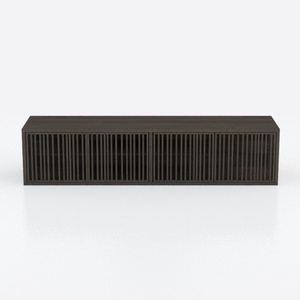
Minimalist Dark Oak TV Cabinet With Slatted Doors 3D Model


Modern Velvet L Shaped Sectional Sofa With Decorative Pillows 3D Model
Homestyler offers an easy-to-use online design tool, stunning 3D renderings, and a vast collection of interior design projects. With helpful DIY video tutorials, it’s the ideal platform to bring your home design ideas to life effortlessly.
Projete agora para LIVRE
































