

Direct Answer
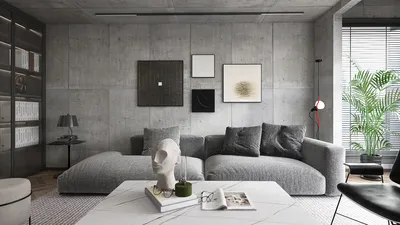
To master decor arrangement on a three-tier coffee table, approach each level as an individual visual zone with distinct purposes: display items on the top, functional essentials in the middle, and grounding pieces on the bottom. Achieve a balanced look by varying height, texture, and incorporating negative space, which ensures the table appears layered rather than cluttered.
The most effective setups adhere to a straightforward principle: heavier items anchor the lower tiers while lighter, eye-catching decorations are placed above.
Quick Takeaways
Introduction
Although a three-tier coffee table may seem simple, styling it effectively requires technique. In numerous living room projects, clients who have elegant multi-level tables often struggle to style them with intention. A common pitfall is treating all three tiers identically.
When people seek tips on optimizing three-tier coffee table styling, they often focus on individual objects rather than the overall structure. However, layout decisions are far more crucial than the specific decor chosen.
One of the simplest methods to understand balanced arrangements is by examining real room setups like those generated by AI interior design platforms such as Homestyler. Observing how objects are layered in actual spaces clarifies the logic behind effective placement.
This guide explains core principles used in client projects: distributing visual weight, assigning purposes to tiers, layering strategies, and controlling visual flow. Grasping these concepts makes styling multi-level tables much more predictable.
save pin
The Visual Weight Principle for Multi-Level Coffee Tables
Key Insight: The lowest tier should visually anchor the table while the top tier draws attention.
Visual weight is a key factor often neglected in layered furniture styling. Larger items like hefty books, stone decor, or baskets inherently feel heavier than glassware or small accessories.
Placing heavy objects on the top shelf can make the entire table appear unstable or cluttered. Professional stylists transfer weight downward intentionally.
Practical visual weight guidance:
Magazine interior photography follows this logic, keeping the top level visually light so spaces feel open, not top-heavy.
Assigning Purpose to Each Tier
Key Insight: Success comes when each level of a three-tier coffee table serves a unique functional purpose.
A common mistake is decorating every shelf uniformly. Repeating identical items across tiers removes visual hierarchy.
Instead, define specific roles prior to placing decor items:
This approach is akin to professional home staging for photography. According to trends advised by home design authorities, layered furniture performs best when decorative and functional elements are distinct.
save pin
Balancing Decorative Pieces with Functional Items
Key Insight: The optimal three-tier layout mixes lifestyle essentials with decorative accents, maintaining usability without overwhelming the table.
A table devoted purely to decor might look great in photos but lack practicality. Conversely, filling every tier with everyday items risks visual overload.
Typical balance ratios I apply in projects are:
Good examples of functional yet decorative combinations include:
Visual planning before physically arranging pieces is beneficial. Many designers test setups using tools similar to interactive room planners like Homestyler to understand how sizing and proportions relate to surrounding furniture.
Using Books, Trays, and Plants as Structural Elements
Key Insight: Items such as books, trays, and plants serve as organizing tools that naturally structure coffee table decor.
Stylists rarely arrange objects randomly. They depend on these three elements to create instant visual layers.
These components help solve common styling difficulties including:
A typical layered setup might resemble this:
save pin
Creating a Visual Flow from Top to Bottom Shelf
Key Insight: The viewer’s gaze should glide downward through smoothly transitioned heights and textures.
Styling often falters when tiers feel isolated rather than part of a cohesive ensemble.
Achieve flow by repeating subtle motifs across shelves:
Visualization tools are invaluable here. Viewing layouts from multiple perspectives with programs like Homestyler’s 3D room visualization helps verify that shelves appear balanced from a seated viewpoint.
save pin
Minimalist Versus Decorative Optimization Techniques
Key Insight: The appropriate amount of decor depends more on the room’s style than the table’s physical size.
Some of the most artfully styled coffee tables utilize surprisingly few objects, while others are richly layered yet remain orderly.
Here’s what differentiates these two successful approaches:
Minimalist method
Decoratively layered method
Commitment is crucial; mixing the two styles halfway often results in a cluttered appearance that homeowners find frustrating.
Answer Box
To effectively style a three-tier coffee table, assign a clear function to each level, distribute visual weight so it descends, and unify tiers through repeated colors or materials. Using structural items like books, trays, and plants ensures balance without sacrificing daily practicality.
Final Summary
FAQ
How many pieces should be on a three-tier coffee table?
Most harmonious setups feature 6 to 10 items spread across all levels. The ideal count varies depending on table dimensions and overall room aesthetic.
What is the best arrangement for three-tier coffee table decor?
Place focal decor on top shelves, functional objects in the middle, and heavy anchor pieces like books or baskets on the bottom tier.
Should every tier be decorated?
Not always. Leaving one shelf partially empty can add breathing room and improve visual harmony.
How do you balance decor on a multi-level coffee table?
Distribute heavier visual weight towards the bottom, vary object heights, and repeat colors or textures across tiers.
Are trays essential for coffee table styling?
While not mandatory, trays help group smaller items and prevent the surface from becoming messy.
What size plant is ideal for a coffee table?
Small plants ranging from 6 to 10 inches in height work best, as they don’t obstruct sightlines across the table.
Can a three-tier coffee table embody minimalism?
Absolutely. Minimalist designs often feature just one sculptural piece on top and a neat stack of books below.
How do interior designers optimize decor on three-tier coffee tables?
They emphasize visual hierarchy, layered heights, and consistent materials to ensure each shelf contributes to a unified and elegant composition, often using tools like Homestyler for visualization.

Minimalist Dark Concrete Oval Coffee Table 3D Model

Minimalist Ceramic Vase with Decorative Branches and Stacked Coffee Table Books 3D Model
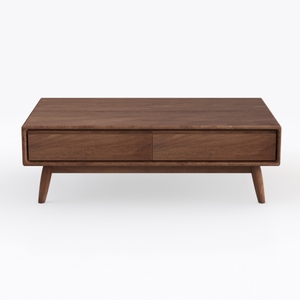
Mid-Century Walnut Solid Wood 2 Drawer Coffee Table 3D Model
Homestyler offers an easy-to-use online design tool with stunning 3D renderings, inspiring interior projects, and helpful DIY video tutorials. It’s perfect for bringing your home design ideas to life, whether you’re a beginner or an expert. Try it and transform your space today!
Projete agora para LIVRE
































