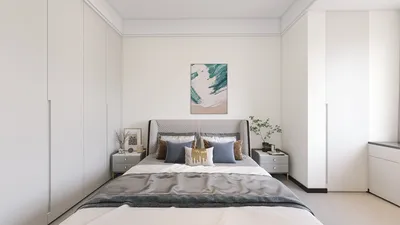


I vividly recall a time when a client requested the paint for her narrow hallway to match the exact hue of her grandmother's teacup, which happened to be a delightful warm magnolia. After applying a small sample, I noticed it appeared more peach under the hallway light. This was a significant lesson: always test larger swatches and observe how colors shift throughout the day. To effectively visualize how a color interacts in a small layout, it's beneficial to plan your design layout with digital tools such as Homestyler before committing to any paint purchase.
When dealing with compact areas, creativity is vital. Magnolia Home paint samples serve as an excellent foundation due to their warmth, adaptability, and appealing nature. In this article, I will provide five actionable inspirations that I have implemented in various projects, featuring insights, trade-offs, and budget-friendly notes gathered over a decade of transforming kitchens and small apartments.
1. Utilize magnolia as a neutral anchor for tight spaces
I frequently advocate for using magnolia as a foundational wall color in cozy living rooms or slender hallways — it effectively reflects warm light and alleviates the feeling of confinement in corners. The advantage is the instant warmth it provides and a sense of coherence; however, a downside is that magnolia may appear yellowish when illuminated by cooler LED lights, making it essential to conduct tests during both day and night.
Tip: paint a 2ft x 2ft patch at eye level and capture images at noon and at 8pm. Budget consideration: sample pots are cost-effective and more efficient than repainting an entire wall later.
save pin
2. Combine magnolia with bold accent colors
One of my favorite strategies is to contrast magnolia walls with deep charcoal or navy accent walls. This approach enhances the vibrancy of the magnolia and adds depth to small rooms without overwhelming them. In a recent studio project, I introduced a navy alcove behind the bed, creating instant drama with minimal paint effort.
Challenge: choose trims wisely — stark white trim can seem harsh against magnolia, so opt for a warm white or off-white for a more harmonious appearance.
save pin
3. Create dynamic layers with ceiling, trim, and walls
I often suggest applying magnolia to the walls, a lighter warm white to the ceiling, and a slightly darker tone to the lower trim, establishing a subtle, sophisticated aesthetic. This tonal layering exudes luxury in smaller spaces and helps conceal dust better than pure white trims.
Practical tip: test sample strips on each surface, as the finish (eggshell vs semi-gloss) alters the perception of color. For kitchens, select wipeable finishes for outer surfaces to withstand frequent cleaning.
save pin
4. Integrate magnolia into the kitchen carefully
Using magnolia in kitchens creates a warm ambiance, but due to the presence of heat and moisture, it’s best to test your color samples near cabinets and backsplash areas. During kitchen remodels aimed at optimal layout, I often use digital design resources like Homestyler to visualize cabinet colors and placements for harmony — this ensures that you avoid expensive mistakes by aligning color choices with actual cabinet tones.
Pro tip: combining matte magnolia walls with semi-gloss trim achieves a balanced, forgiving finish. Challenge: steer clear of overly warm bulbs over countertops, as they can skew magnolia towards a tan color.
save pin
5. Use magnolia samples to establish visual continuity across spaces
In open-plan layouts or small apartments, utilizing a consistent magnolia palette throughout rooms maintains calm sightlines and enhances the perception of space. I once matched magnolia samples across a living room, dining area, and a tiny home office — the result was impressive cohesion with a surprisingly modern feel.
Minor trade-off: if every room shares similar shades, you'll need to incorporate texture (like rugs, fabrics, and wood tones) to keep things interesting. For an innovative approach, blend magnolia with greenery and natural wood elements for warmth, or consider subtle patterned wallpaper on a feature wall.
For those interested in algorithm-driven recommendations or quick mockups, think about how AI-assisted layout tools like Homestyler can expedite the previewing of color flows across multiple spaces.
save pin
FAQ
Q1: What is the most effective method for testing Magnolia Home paint samples?
A: Apply several 2ft x 2ft patches on different walls at eye level, observe them in both morning and evening light, and live with those colors for at least 48 hours before making a decision.
Q2: Can magnolia make a small area appear larger?
A: Generally, yes — magnolia’s warm reflective qualities can open up spaces, especially when partnered with lighter ceiling tones and strategic lighting.
Q3: Should trim match the magnolia shade or a different tone?
A: I often prefer a slightly lighter or warmer trim to create a subtle contrast; the ideal choice depends on natural light and the colors of adjoining rooms.
Q4: Is magnolia suitable for modern, minimalist designs?
A: Absolutely — employing clean lines, matte finishes, and fresh natural materials allows magnolia to maintain a contemporary feel rather than a traditional one.
Q5: Are there lighting concerns when using magnolia?
A: Yes — cooler LED lights can give magnolia a grayish hue; using warm LEDs (2700K–3000K) preserves its warmth. For best practices, consult Sherwin-Williams’ guidance on testing paint samples.
Q6: How much sample paint should I purchase?
A: A small sample pot is adequate for multiple 2ft x 2ft patches and typically suffices for testing. If trying various finishes, select extra small pots to minimize repainting.
Q7: Can magnolia effectively conceal wall imperfections?
A: Its warm mid-tone does help to disguise minor flaws better than stark white, but significant texture or damage still requires proper preparation and priming.
Q8: Where can I find real-life examples showcasing Magnolia Home paint?
A: Explore brand case studies and design blogs featuring before-and-after images, as well as manufacturer galleries with curated room photographs to see comparisons of lighting and finishes.
save pin
Homestyler is your go-to online home design platform! With its user-friendly design tool, stunning 3D renderings, and a wealth of DIY video tutorials, you can effortlessly create and visualize your dream space. Transform your ideas into reality today!
Projete agora para LIVRE
































