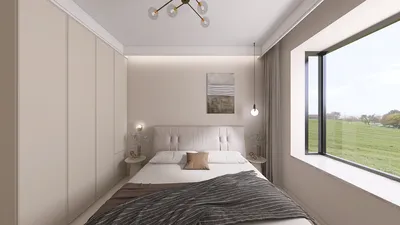


A thoughtfully selected corner sofa can transform an overlooked space into the coziest spot in your home. Whether you're working with a small apartment or an open floor plan, sectional corner seating creates a harmonious flow, enhances views, and facilitates movement. When designed well, it offers a perfect mix of lounging comfort, easy pathways, natural light, and storage options, all without overwhelming the area.
The foundation of comfort lies in scientific principles. According to the WELL v2 standard, maintaining background noise levels between 35 and 40 dBA in living areas fosters a restorative atmosphere, while adequate natural light and soft illumination help minimize eye strain. Research by Steelcase indicates that seat depths of 19 to 22 inches provide broad comfort for various sitting needs, with back angles of 100 to 110 degrees promoting an ergonomic posture. These guidelines are essential in choosing the right corner sofa, ensuring proportions prioritize user comfort and visual harmony.
The psychology of color plays a crucial role in the ambiance of a corner. As noted by Verywell Mind, calming shades like muted blues and greens are associated with tranquility, whereas warm neutrals create a welcoming feel. I often start with a neutral base for the sectional and layer in vibrant textiles to adapt to seasonal changes. The choice of materials is equally important; high-performance fabrics are durable for high-traffic areas, while breathable cushions help maintain a comfortable temperature.
Optimize the Corner for Movement and Visibility
Before finalizing the layout for your sectional, I analyze traffic patterns from entrance points to seating areas, windows, and entertainment centers. A corner sofa should facilitate movement rather than obstruct it. I ensure a clear walkway of at least 30 to 36 inches in front; this spacing provides a comfortable passing area and visually grounds the room. If you are experimenting with layouts, utilizing a room design tool like Homestyler can help visualize various configurations and assess sightlines to your TV or fireplace, while also confirming that coffee tables are appropriately placed 14 to 18 inches from the sofa cushions for easy access.
Select the Right Size for Your Sectional
One common mistake is choosing an oversized sectional. I aim for a sectional width that occupies 60 to 70% of the available wall space, allowing room for side tables and lamps. A seat height of 17 to 18 inches suits most users, while chaise lengths of 60 to 65 inches permit full extension without interfering with walkways. If a chaise obstructs entry, consider rotating it toward the window to encourage a more relaxed lounging experience.
Choosing Between L-Shaped and U-Shaped Sofas Based on Activities
L-shaped sofas work well in small spaces and are perfect for gatherings of three to five people. Conversely, U-shaped setups are ideal for larger assemblies and media-focused living areas, but they must include a grounding rug and central table to prevent a 'furniture moat.' If a U-shaped arrangement feels heavy, consider replacing one end with a swivel chair for added versatility and unobstructed sightlines.
Enhance Comfort Through Ergonomics
Back cushions should strategically support the upper back; I prefer a combination of firmer base cushions with softer throw pillows to allow guests to customize their comfort. For homes with mixed heights, modular lumbar supports assist in maintaining that ideal reclining angle of 100 to 110 degrees. Ensure armrest heights of 24 to 26 inches to facilitate reading or using tablets comfortably.
Balancing Light, Glare, and Entertainment Needs
Position your corner seating to maximize natural light while managing glare. The Illuminating Engineering Society advises luminance levels that avoid stark contrasts within the visual field; using a floor lamp with a diffuse shade positioned behind the sectional provides gentle, indirect light for evening relaxation. If the television is situated opposite a window, select low-sheen screens and side-draw curtains to reduce distracting reflections. Warm-white lamps (2700–3000K) lend a cozy ambiance without dulling colors.
Strategizing Color Choices for Corners
In compact corners, a light neutral base can prevent a crowded appearance. Introduce depth using textured weaves, such as bouclé or herringbone, and reserve bolder colors for cushions and throws. Calming blues and greens promote relaxation, while muted terracotta or camel shades can warm up north-facing rooms. For corners that lack sunlight, reflective accents like brushed brass or light oak can enhance the play of light.
Considering Materials, Sustainability, and Care
I typically recommend using stain-resistant, PFAS-free performance fabrics whenever possible. Look for kiln-dried hardwood frames to prevent warping, and opt for sinuous springs or eight-way hand-tied construction for enhanced long-term comfort. Easy-to-remove cushion covers are invaluable, especially in family settings. When selecting textiles, prioritize OEKO-TEX or GREENGUARD certifications, and choose natural fiber rugs to improve indoor air quality and add tactile warmth.
Design Strategies for Varied Room Types
For small living areas: opt for a compact L-shaped sectional with a storage chaise, positioned about 4 to 6 inches from the wall to minimize echoes and provide space for cords. A narrow, 12-inch-deep console behind the sofa adds a space for plants and task lighting.
In open-plan layouts: delineate the space with a rug extending at least 8 to 12 inches beyond the edges of the sofa. Align the long side of the sectional to guide movement from the kitchen to the lounge while allowing 36 inches for dining traffic. A digital room planner, such as Homestyler, can help you evaluate distances prior to finalizing your layout.
For media-centric rooms: emphasize direct viewing angles of 30 to 36 degrees from the seating centerline; ensure the screen is mounted so eye level aligns with one-third the height of the screen when seated.
Managing Acoustic Comfort in Corners
Corners have a tendency to amplify mid-frequency reflections. To counter this, layer in textiles: high-pile rugs, a fabric ottoman, and curtains can help dampen echo. Installing bookshelves against side walls also assists in breaking up sound reflections while providing extra storage. Maintain quiet background noise from HVAC systems; WELL guidelines advocate for low-noise mechanicals to create a serene environment.
Maximizing Smart Storage and Table Configuration
Incorporate lift-top coffee tables for convenient storage of remotes and games. Side tables ideally range from 22 to 24 inches in height to align with most arm levels, minimizing uncomfortable reaches. If the corner is confined, consider nesting tables that can be utilized as needed.
Styling the Corner with Rhythm and Balance
Achieve visual balance by incorporating vertical elements like a tall plant or an elegant floor lamp to counter the sectional's horizontal spread. Introduce rhythm with a triad of decor: a lamp, artwork, and a plant—varying heights to create harmony. Ensure artwork is centered at 57 to 60 inches off the floor. Avoid excessive pillow clutter; three to five thoughtfully selected pillows, ranging from 20 to 24 inches, can provide comfort and intentionality without overwhelming the space.
Practical Application in Real Life
In a recent project involving a 280-square-foot living space, moving from a bulky U-shaped sectional to a streamlined L-shaped version restored a 34-inch corridor between the entry and balcony, reduced glare on the television using a side-draw curtain, and improved acoustic comfort with a denser rug. The corner evolved into the most utilized seating area, no longer acting as a visual hindrance.
References for Authoritative Guidance
For insights on ergonomics and seating comfort derived from workplace research, Steelcase provides valuable information applicable to home settings. The WELL v2 framework aids in finding the right balance of acoustics and lighting for restorative living spaces. Both sources can inform decisions about proportions and materials while allowing for diverse stylistic choices.
Common Questions Answered
Aim for a two- to three-seat L-shaped sectional that takes up 60 to 70% of the wall length, ensuring at least 30 inches of clear space in front. Keep chaise lengths around 60 to 65 inches to avoid blocking pathways.
Utilize side-draw curtains, position lamps with diffusers behind the sofa, and opt for low-sheen screens. Seek warm-white lighting (2700 to 3000K) and avoid placing the TV directly across from large windows without coverings.
Seat depths of 19 to 22 inches accommodate most adults comfortably; adding removable lumbar pillows can assist shorter individuals in maintaining support without dangling legs.
Yes, if supported by a rug and centered table, while also ensuring at least 36 inches of circulation around it. Consider swapping one arm for a swivel chair to maximize flexibility and clear sightlines.
For sofas, choose light neutrals paired with layered textures and warm accents like muted terracotta or camel. Reflective finishes on side tables and pale woods can enhance the distribution of available light.
Increase acoustic comfort by adding a denser rug, lined curtains, and a fabric ottoman. Incorporate bookshelves or textured wall panels on adjacent walls to soften sound reflections.
Maintain a distance of 14 to 18 inches between coffee tables and seat edges for accessibility. Ensure side tables are around 22 to 24 inches high to complement armrest levels and reduce stretching.
Prioritize OEKO-TEX or GREENGUARD-certified fabrics, kiln-dried hardwood frames, and PFAS-free materials for a blend of durability, indoor air quality, and ease of care.
Make use of a digital room layout tool like Homestyler to experiment with different L-shaped versus U-shaped designs, verifying sightlines and space measurements. This is especially beneficial in open-plan environments.
Set the centerline of artwork around 57 to 60 inches from the floor; make minor adjustments for very tall ceilings to ensure visual coherence with the surrounding furniture.
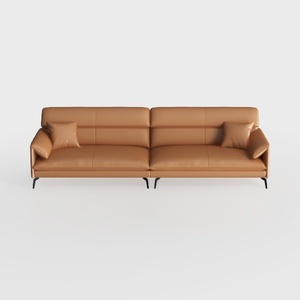

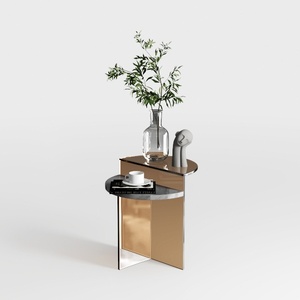
If you're looking to transform your space effortlessly, Homestyler is your go-to online home design platform. With its user-friendly design tool, stunning 3D renderings, and a wealth of DIY video tutorials, you can unleash your creativity and visualize your dream home with ease. Get started today!
Projete agora para LIVRE
































