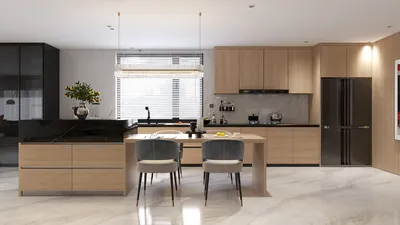


A client once challenged me to fit a full home office, a guest bed, and a record player into a 250 sq ft living room, and I embraced it wholeheartedly. I quickly discovered that selecting the wrong sofa could obstruct movement and transform an innovative design into a cramped environment. This realization shifted my perspective on small condos; I began to view them as intricate puzzles where every element must justify its place. Often, a simple alteration can elevate the overall ambiance of the room. If you seek inspiration to maximize a compact condo into a space that feels expansive and functional, continue reading — small areas can indeed ignite substantial creativity. space-saving layout
1. Create functional zones without traditional walls
To delineate different areas in one compact room, I often incorporate rugs, clusters of lighting, and low-profile furniture, establishing a living area, a snug office corner, and an entryway space. The main benefit is clear: you achieve utility while maintaining an open feel. However, to prevent visual clutter, it's essential to use consistent materials and colors, so I suggest adhering to a limited color palette and selecting a standout rug.
save pin
2. Utilize vertical storage solutions
In tight spaces where floor area is precious, maximizing wall space becomes crucial — consider floor-to-ceiling shelves, slender bookcases, and cabinets mounted above sofas. Vertical storage enhances walkability and provides areas for decor and necessities, but be cautious about weight distribution and the height of frequently accessed items. I once added floating shelves above a slim console, transforming unused wall space into practical storage and display areas.
save pin
3. Opt for multifunctional furniture pieces
In compact condos, flexible furnishings are essential: choose a storage ottoman that can serve as extra seating, a console that converts into a dining table, or a sleeper sofa for accommodating guests. Additionally, I create quick layouts to assess flow — occasionally, a piece that appears compact might compromise movement. To illustrate complex layouts, I utilize tools like Homestyler to produce quick 3D mockups, allowing clients to visualize the arrangement before making any purchases.
save pin
4. Incorporate light, mirrors, and color for depth
Applying various lighting layers (ambient, task, accent) can make a small condo feel spacious; mirrors reflect light and visually expand wall areas. A lighter ceiling paired with a subtly darker feature wall can enhance the perceived height of the space. However, having too many reflective surfaces can create a cluttered look, so I suggest keeping mirror frames straightforward and opting for warm bulbs to maintain a cozy atmosphere.
save pin
5. Keep styling simple yet textured
I favor a minimalist approach with layered textiles — think cashmere throws, decorative cushions, and jute rugs that provide depth without overwhelming the space. This minimalist styling simplifies cleaning while allowing each piece to stand out, though neglecting texture can lead to a cold feel. As a cost-effective tip, invest in one high-quality sofa and rotate smaller decorative items seasonally for a refreshing look, and leverage AI tools like Homestyler for layout inspiration.
save pin
FAQ
Q1: What size sofa is best for a small condo living room?
A: Choose a sofa that fits proportionally to your longest wall and ensure there is at least 30–36 inches of clearance in primary walkways. Compact loveseats or apartment-sized sofas (approximately 72–84 inches) generally work well in condos.
Q2: How can I make a small living room feel brighter?
A: Layer different lighting types (overhead, floor lamps, table lamps), select warm-white bulbs, and incorporate mirrors to amplify light. Light-colored walls and sheer curtains can also help to maximize natural sunlight.
Q3: Is open shelving more beneficial than closed storage?
A: Open shelving displays personality and keeps items easy to reach but requires discipline to maintain order; closed storage hides clutter and often contributes to a calmer atmosphere in small spaces.
Q4: Can I include a dining area in a condo living room?
A: Definitely — drop-leaf tables, extendable consoles, or wall-mounted fold-down tables offer dining solutions without taking up permanent space. Look for stools that can be tucked under the table for efficient storage.
Q5: How do I select colors for a small condo living room?
A: Stick to a limited color scheme with one accent shade; lighter tones create an airy feeling while darker accents add depth. It's wise to test color swatches on various walls and observe them at different times of day before finalizing your choices.
Q6: Are area rugs necessary in small living rooms?
A: Rugs help define areas and add warmth; select one large enough for at least the front legs of significant furniture to rest upon. Rugs that are too small can create a disjointed look, so size is important.
Q7: What is the recommended lighting level for living rooms?
A: For general living room illumination, aim for approximately 150 lux for ambient lighting and 300 lux for reading or task areas. This guidance follows recommendations from the Illuminating Engineering Society (IES) for comfortable, functional lighting (check ies.org for more information).
Q8: How can I maintain tidiness in a small condo on a daily basis?
A: Implement a one-in, one-out policy for decor, utilize concealed storage (like benches and ottomans), and perform a 5–10 minute evening tidy-up to clear surfaces. Consistent small habits help keep clutter from taking over the limited space.
save pin
Looking to transform your space? Homestyler offers an intuitive online design tool that makes home design a breeze. With stunning 3D renderings, a wealth of design projects, and helpful DIY video tutorials, you can effortlessly create your dream home—regardless of your experience level!
Projete agora para LIVRE
































