

Throughout my career, I've specified and installed countless pairs of double doors in various environments, including apartments, townhouses, hospitality suites, and contemporary office spaces. When chosen wisely, they can enhance sightlines, facilitate circulation, and bring a formal touch to transitions. However, if poorly executed, they can waste valuable swing space and disrupt furniture placement. The key to success lies in considering proportion, hardware, light, and the natural flow of movement through the opening—this is where tools like Homestyler come into play for visualizing these aspects.
First and foremost, space is crucial. In open-plan homes, opting for sliding or stacking doors instead of traditional swinging ones can maximize usable square footage. Research by Steelcase indicates that optimized pathways in workplaces can minimize micro-delays and enhance team flow; this principle applies equally to multi-use homes that integrate kitchens, dining, and living areas. For promoting a healthy living environment, WELL v2 standards highlight the importance of natural light and glare control—embedding glazed panels in double doors can allow daylight to penetrate deeper into interiors while ensuring appropriate shading and low-reflectance finishes are in place.
Proportion serves as your foundation. Double leaves achieve visual balance when the width of each panel aligns with the existing spatial elements such as wall bays, window modules, or cabinetry lines. I prefer ratios like 1:2 or 3:5 for panels and sidelights, which keep the opening in harmony with surrounding structures. In compact spaces, slimmer stiles and rails increase glass surface area, drawing in natural light without clashing with the entrance. For areas requiring privacy, frosted or reeded glass allows light through while softening the views—a perfect blend for various design scenarios offered by Homestyler.
Scale, Clearance, and Movement
Understanding human movement is essential before you draft the jamb. A comfortable shoulder-to-shoulder pass typically necessitates a width of 36–40 inches; using two 28–30 inch panels in a double set allows for smooth bi-directional movement without congestion. I like to envision how furniture—like sofas and dining tables—travels through these spaces, since they often pose challenges for doorways. For swing doors, it’s critical to check the arcs against circulation patterns and surrounding rugs; utilizing a room layout tool helps in simulating clearances and furniture arrangements effectively, especially with design software such as Homestyler.
Hinged vs. Sliding vs. Pocket
Hinged double doors command presence and contribute acoustic mass; they are particularly suitable for formal living rooms and studies. On the other hand, sliding barn-style pairs are efficient in space, requiring sufficient wall area for stacking. Pocket doors are an excellent choice for seamless transitions as they completely disappear when opened—ideal for spaces needing flexibility between enclosed and open layouts. Keep in mind that pocket frames may restrict wall-mounted fixtures and built-ins nearby; it’s important to plan electrical runs and shear walls accordingly. Where allowed by codes, soft-close tracks and durable rollers ensure quiet operation throughout daily use, a feature that can be easily highlighted with Homestyler visualizations.
Light, Glare, and Glass Selection
The interplay of daylight with glazed doors significantly impacts color rendering and ambiance. Utilizing clear low-iron glass maintains crisp whites, while etched or reeded glass can help diffuse light and minimize harsh shadows. Glare management can be achieved through a combination of matte wall finishes, lower gloss flooring, and controlled luminous contrast at doorways. From a wellness standpoint, as referenced in WELL v2, balancing daylight access with effective glare reduction promotes visual comfort; aim for balanced brightness ratios from adjacent spaces to prevent a stark contrast between light and dark areas.
Color Psychology and Threshold Identity
The color of double doors can influence the perceived intention of the adjacent space. For example, a serene library benefits from soft greens and earthy tones that evoke calmness, while vibrant entertainment areas thrive with warm off-whites accented by coral or terracotta hues. According to insights from Verywell Mind on color psychology, cooler shades such as blues and greens promote tranquility and concentration, whereas warmer tones can elevate energy levels—this color logic can effectively guide choices for door faces and trim, assisting in signposting transitions without overt signage.
Acoustic Comfort and Sealing
To prevent sound leakage, double doors require meticulous detailing at meeting stiles and thresholds. I often specify magnetic seals, drop bars, or interlocking features to enhance closure integrity. Solid-core panels outperform their hollow counterparts in terms of sound transmission loss, and implementing a modest saddle threshold can block flanking sound paths effectively. In multifunctional homes—where spaces for children and work intersect—these finer details can greatly enhance acoustic privacy and comfort, something that can be visualized using Homestyler’s tools.
Hardware: Handles, Latches, and Locking Logic
High-quality hardware elevates the user experience. Lever sets offer superior ergonomics compared to knobs, especially for elderly individuals or those with limited grip strength. My preferred configuration is a primary active leaf equipped with latch and strike, partnered with a secondary leaf featuring surface or flush bolts at head and foot. For double doors subject to frequent use, I incorporate a top bolt that is easily accessible without bending. Soft-close mechanisms prove invaluable in preventing slamming, particularly in high-traffic areas, a great functionality noted within designs modeled in Homestyler.
Materials and Sustainability
Selecting the right materials is essential for balancing durability, tactile quality, and environmental sustainability. Engineered wood cores stand up against warping and accommodate veneers cleanly, while responsibly sourced hardwoods retain the warmth and weight that clients appreciate. Aluminum frames around glass allow for slim profiles that maximize daylight without compromising on a modern aesthetic. Keep in mind the product lifecycle: opting for refinishable materials, low-VOC coatings, and modular hardware ensures manageable maintenance over time. For areas with significant humidity variations, composite stiles stabilize shifts and protect glass fixtures effectively, which can be represented in Homestyler’s design previews.
Style Moves: Modern, Classic, Transitional
The modern look favors flush panels, concealed hinges, and minimal hardware. In contrast, classic styles often rely on raised panels, decorative mouldings, and traditional brass or living bronze accessories. Transitional designs balance lean profiles with subtle paneling to connect different eras seamlessly. In apartment settings, I tend to install slimmer casings that maintain a gracious appearance without consuming precious inches from nearby storage areas, showcasing various styles that can be visualized using Homestyler software.
Framing Views and Sightlines
Double doors function like camera lenses; they create a frame for the view beyond. Aligning the opening with a focal point—such as a fireplace, an art wall, or a garden view—is key; adjusting panel widths can enhance this visual appeal. If the view is unremarkable, elevate it with a tall plant, a textured wall, or an eye-catching pendant light to create a more interesting sightline that your design software can help enhance in its layout.
Safety and Accessibility
Minimizing thresholds is vital to avoid tripping hazards, but they must also be substantial enough to provide acoustic and air control where necessary. Ensure clear openings comply with local codes to maintain accessibility, and consider lever heights for comfortable reach in homes with children. Details such as finger-safe hinges or soft-close mechanisms can prevent injuries from slamming doors, an important aspect to factor into your Homestyler designs.
Layout Tactics for Small Rooms
In compact bedrooms or dens, sliding or pocket double doors can free up valuable floor space. If swinging doors are preferred, designate one leaf as inactive and have it swing towards the less active area—like behind a bookcase—rather than into the busy corridor. Prior to finalizing cabinetry, practicing door arcs with an interior layout planner can reveal potential conflicts early in the design process, and tools like Homestyler can facilitate this exploration.
2024–2025 Design Trends for Double Doors
Emerging trends are emphasizing texture and light: reeded glass provides privacy and a unique shimmer, while patinated metals convey authentic aging. Low-profile tracks that meld into ceiling pockets offer a clean aesthetic. Oversized pulls add sculptural interest, whereas warm neutrals integrate doors into calm design palettes. In work-from-home setups, adaptable partitions—including double doors—allow for acoustic privacy when needed and open up spaces for collaboration otherwise, making it a versatile choice that can be illustrated using Homestyler.
Installation Notes from the Field
Ensuring that the jamb is plumb, level, and square is essential to avoid gaps between meeting stiles. I always shim hinges to perfect alignment and examine both leaves throughout their range of motion for consistent reveals. For sliding doors, I rigorously test hardware under load to verify smooth operation. Lastly, early protection of the floor threshold is crucial—there’s nothing worse than damaging it before move-in, a concern easily managed with precise planning in Homestyler.
FAQ
Typical residential widths for double doors range from 28 to 36 inches per leaf; selecting the appropriate size should depend on circulation patterns and furniture movement.
Yes, provided the correct type of glass is chosen. Frosted, reeded, or laminated privacy glass allows light while obscuring the view; consider adding curtains or interior shades for occasions when complete opacity is desired.
Sliding or pocket double doors are excellent for saving valuable floor space since they eliminate the need for swing clearance. Hinged sets provide a commanding presence and often better sound insulation; your choice should depend on the room dimensions and acoustic requirements.
To minimize sound transmission, utilize solid-core panels, magnetic seals, drop bars, and a modest threshold. Additionally, soft finishes on adjacent walls and floors can effectively reduce sound flanking paths, which can be mapped out using tools like Homestyler.
Lever handles enhance ergonomics, coupled with quality latches and accessible top bolts on the inactive leaf. Implementing soft-close mechanisms or dampers in high-traffic regions helps prevent slamming issues, allowing for a more comfortable living space.
Cooler color schemes (blues and greens) encourage calm and concentration in workspaces; in contrast, warmer neutrals or muted terracottas invigorate social areas. Employing consistent color logic for doors and trims can effectively signal each room's purpose.
Definitely. Well-designed glazed panels enhance daylight penetration, especially when combined with matte, low-gloss finishes on walls and floors to control glare and maintain pleasing contrasts.
Test furniture movements and door arcs early in the planning phase. A digital room design tool, such as Homestyler, allows you to simulate the swing and stacking requirements for sliders, as well as their interaction with rugs and casework prior to installation.
Opting for high-quality tracks and rollers minimizes maintenance needs. It’s advisable to plan for access panels when possible and to avoid hanging heavy fixtures on walls that conceal pocket doors, ensuring functional design.
Yes, sliding or pocket configurations save floor space, while hinged doors work best by limiting hardware to the inactive leaf, swinging it toward low-traffic areas, maximizing functionality without sacrificing space.
Begin with an impeccably squared jamb, utilize quality hinges, and make periodic adjustments to bolts and seals. It’s normal for environmental changes to impact small adjustments over time; regular maintenance can keep reveals looking sharp.
Prioritize choosing durable materials, low-VOC finishes, and sturdy hardware. Engineered wood cores are resistant to warping, offering long-lasting condition for installations, suitable for the sustainable designs highlighted in Homestyler.

Minimalist Fluted Solid Wood 6 Drawer Dresser 3D Model
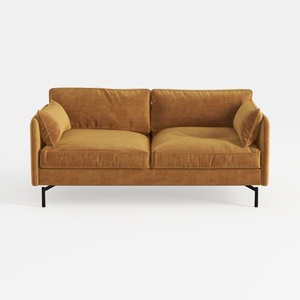
Modern Velvet Upholstered 2 Seater Sofa With Black Metal Legs 3D Model

Looking to transform your home? Try Homestyler! This user-friendly online platform offers a powerful design tool, stunning 3D renderings, and a wealth of DIY video tutorials. With Homestyler, your home design dreams can come to life effortlessly!
Projete agora para LIVRE
































