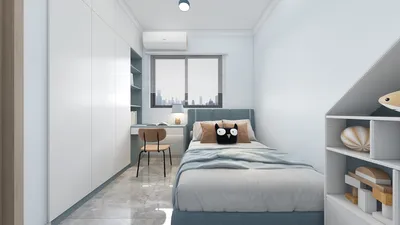


When it comes to portable heating, I take a similar approach to designing a living room: I begin with the proportions and then adjust for comfort. Utilizing a Thermocool room heater can be highly effective, provided it is tailored to the specific room size, layout, and usage patterns. I don't just guess the necessary heat output; instead, I calculate it based on the space itself. Research from Gensler shows that the dimensions of a room and its functional zoning deeply affect occupants' comfort and performance. Therefore, applying this research to heat planning means ensuring the appropriate wattage for various zones, which minimizes hot and cold spots while enhancing overall comfort. For standard insulation, I typically estimate between 10–12 watts per square foot, making necessary adjustments based on the quality of the building envelope and ceiling height.
Comfort is about more than just heat; it includes stable temperatures, air quality, lighting, and acoustics working in harmony. The WELL Building Standard identifies thermal comfort as a multi-dimensional concept, considering mean radiant temperature, air speed, humidity, and personal control as key satisfaction factors. Consequently, I maintain a consistent thermostat setting, control drafts, and choose heaters that operate quietly. According to Steelcase research focused on workplace efficiency, distractions and environmental discomfort can hinder task concentration. Thus, in spaces like living rooms or home offices, a quiet heater setting helps maintain acoustic comfort while strategic positioning minimizes thermal gradients without exceeding desired temperatures. In terms of practical capacity, a 1500W heater can service around 120–150 sq ft under typical conditions; it’s wise to add 15–20% capacity for poorly insulated spaces and reduce it by 10–15% for compact, well-sealed areas.
Assess Your Space and Choose the Right Mode
Before setting up, I assess the area and identify cold zones (like windows, corners, or exterior walls). Different heater modes—such as fan-forced, ceramic, or oil-filled—perform differently. Fan-forced or ceramic models heat up quickly, making them ideal for intermittent use (like in entryways or during brief work sessions), whereas oil-filled radiators provide slow, even warmth that’s perfect for bedrooms where a balanced heat distribution and low noise are priorities. If available, I activate eco or auto modes to prevent constant cycling; small adjustments of 1–2°F usually maintain comfort levels without causing energy spikes.
Heat Distribution Placement Strategies
I position heaters where air can flow unobstructed: ensuring a 3-foot clearance from draperies or soft furnishings, avoiding placement under shelves, and directing the heat across the main seating area—not directly at it. Maintain clear return paths, as heat requires a circuit to circulate effectively. When testing out layouts, a quick simulation using an interior design tool can help visualize airflow pathways and identify sightlines, obstructions, and occupant flow using a reliable room planner.
Creating Thermal Zones and Understanding Behavior Patterns
Most households don’t need consistent warmth throughout the day. I prefer micro-zoning: warming the areas where people actually sit, read, or work. Position the heater to cover the main activity triangle—comprising the desk, sofa, and dining area—while allowing peripheral areas to remain cooler. This approach aligns with human factors research, as perceived comfort improves when key touchpoints (hands, feet, and the body's core) maintain consistent warmth. Placing a small rug or cork underlay near seating can enhance warmth perception at the feet, reducing the urge to raise the thermostat.
Consider Noise, Lighting, and Color Psychology
Portable heaters can generate a faint hum, and for rooms needing focus, I keep the background noise below 40–45 dBA. I opt for warm white lighting (2700–3000K), aiming for around 150–300 lux in lounges and 300–500 lux in work areas to complement thermal comfort; glare-free task lamps can create a feeling of warmth without overheating the area. Warm color accents like terracotta, muted mustard, and cozy neutrals can subtly enhance the perception of warmth; as noted by Verywell Mind, warm hues evoke feelings of energy and coziness, and I utilize them as a gentle enhancement rather than a substitute for adequate heating.
Energy Efficiency Strategies
To maximize heater efficiency, it's essential that the room's insulation is effective. I seal window drafts, close any gaps at doors, and use lined curtains during the night. Incorporating a digital thermostat and having tip-over protection are non-negotiable. My preference is for models featuring 750/1000/1500W steps and a true thermostat rather than a simple High/Low setting. If the heater features a 9–12 hour timer, I utilize a pre-warm cycle: turning on the heater 20–30 minutes before settling in, then setting it to maintain a lower temperature once I’m present. This not only prevents overshooting but also diminishes cycling noise. For larger areas, placing two smaller units in opposite corners often provides better temperature balance than relying on a single large unit.
Material Choices and Air Quality Considerations
I choose low-VOC materials—such as wool blends, cotton, or Greenguard-certified surfaces—positioned along the heater’s path to prevent amplified off-gassing due to heat. It's also important to maintain at least an 18-inch clearance from plush textiles. Regarding air quality, a small HEPA purifier running at low speed can prevent dust from being stirred up when the heater's fan activates. Maintaining relative humidity between 30-50% is vital; dry air can feel cooler and irritate sinuses, while excessive humidity may lead to condensation near cold windows.
Emphasizing Safety and Ongoing Maintenance
I treat portable heaters with similar caution to candles: never leaving them unattended in sleeping areas, ensuring full clearance around the unit, and securing it on a stable, flat surface. When selecting a heater, I look for features such as overheat protection, a cool-touch exterior, and a robust tip-over switch. Monthly maintenance includes vacuuming the intake grill, as dust can reduce efficiency and increase noise. Additionally, I keep cords running along walls to avoid tripping hazards, especially in homes with children or pets, where a radiative or oil-filled heater with lower surface temperatures and a locking control panel may be preferable.
Room-Specific Heating Suggestions
In the living room: Aim heat across the seating area, supplementing colder corners with a lower, more gradual setting to prevent heat stratification from tall ceilings. For bedrooms: I prefer oil-filled or ceramic heaters set to quiet mode; pre-warm the space for 20 minutes and, if safe for unattended use, maintain a low steady heat overnight. For home offices: Find a balance between noise and concentration by setting the fan to low speed, and adding focused task lighting to mitigate the psychological urge to increase heat. In the entryway or mudroom: A quick blast from a ceramic heater while entering and exiting prevents cold air from seeping into the rest of the house without wasting energy.
Quick Sizing Reference
For average insulation and 8–9 ft ceiling heights, approximate wattage targets include: 750W for small bedrooms or home offices up to ~70 sq ft; 1000–1200W for spaces measuring 80–120 sq ft; and 1500W for areas sized 120–150 sq ft. It’s a good idea to increase capacity by 15–20% for rooms featuring multiple exterior walls or large single-pane windows, while reducing it by 10–15% for compact, well-insulated spaces or apartments that are thermally efficient with good neighboring units.
When to Look for Alternatives
If you often find yourself heating spaces larger than 200 sq ft, exploring supplemental strategies may be beneficial: consider weatherstripping, using area rugs, layered window treatments, and potentially adding a ductless heat pump for high-efficiency baseline heating. The portable heater can be used primarily for peak comfort during exceptionally cold spells instead of continuously providing primary heat.
FAQ Section
Q1: How can I accurately size a Thermocool heater for my room?
A1: Begin with a guideline of roughly 10–12W per square foot. For a room of about 120 sq ft, a unit of 1200–1500W is typically effective. Adjust upwards by 15–20% for poorly insulated spaces or large windows, and reduce by 10–15% for well-sealed, compact areas.
Q2: Where should I position the heater for optimal performance?
A2: Ensure a clearance of 3 feet from fabrics, direct heat towards your primary seating or workspace, and avoid dead-end layouts. Utilize a layout simulation tool to properly visualize circulation and obstructions during arrangement checks.
Q3: Which is better for bedrooms: fan-forced or oil-filled heaters?
A3: Oil-filled radiators are preferable for bedrooms due to their quieter and more even heating. Fan-forced or ceramic heaters work well for quick heat in living rooms or entry spaces.
Q4: How does humidity impact the perception of warmth?
A4: Aim to maintain humidity at 30–50%. Low humidity results in a cooler feel and uncomfortable airways, while excessive humidity can cause condensation on windows. A small humidifier or water bowl near the radiator (if placed securely) can aid in stabilizing comfort levels.
Q5: Can lighting and color enhance the sense of warmth without additional heat?
A5: Absolutely. Using warm white lighting (2700–3000K) along with warm-toned accents (like terracotta, caramel, or ochre) can significantly boost the perception of warmth. This works best when combined with consistent, moderate heating instead of spikes in temperature.
Q6: What safety features are essential?
A6: Look for units with overheat protection, a tip-over switch, a stable base, cool-touch exteriors, and reliable thermostats. Ensure cords are visible and routed away from walking paths; avoid covering the heater or placing it in enclosed spaces.
Q7: How can I minimize noise for work or sleep?
A7: Opt for models that feature low-speed or silent operation, place the heater on solid surfaces to reduce vibrations, and keep the intake area clean. Traditionally, oil-filled models are among the quietest options.
Q8: Is running two smaller heaters more efficient than one large unit?
A8: For larger or irregularly shaped rooms, utilizing two smaller heaters rather than a single large one can often result in more uniform heat distribution at lower fan speeds, thus reducing drafts and cycling while enhancing comfort without increasing energy costs.
Q9: What is the most effective thermostat strategy?
A9: Begin by pre-warming the space 20–30 minutes before usage, then switch to a steady lower setting. Try to avoid turning the unit on and off frequently; making small adjustments of 1–2°F can help maintain comfort without creating drastic temperature changes.
Q10: How can I preserve air quality while using a heater?
A10: Regularly vacuum the intake grate, operate a compact HEPA air purifier on a low setting, and refrain from placing the heater near high-pile textiles that may shed fibers easily. Choose low-VOC materials in the vicinity of the heater.
Q11: How can I address the issue of rooms with high ceilings?
A11: Implementing a ceiling fan in reverse can help circulate warm air downwards. Also, integrating area rugs can enhance comfort at the feet, and considering two zones of heating minimizes thermal stratification.
Q12: Are timers and eco modes beneficial?
A12: Definitely. Timers help with pre-warming and safety by setting the heater to turn off automatically. Eco modes adjust output to sustain temperature in an efficient manner, mitigating spiking and noise levels.
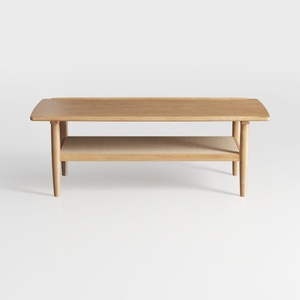
Solid Wood Coffee Table - 42.5” Firwood Farmhouse
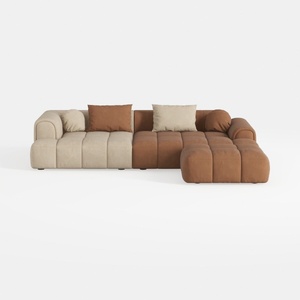
Modern Velvet Sectional Sofa, U Shape Minimalist M
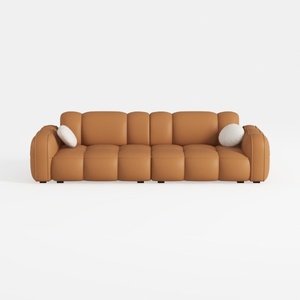

Modern Minimalist Tan Leather Oversized Sofa 3D Model
Homestyler is your go-to online home design platform! With an easy-to-use design tool, stunning 3D renderings, a treasure trove of design projects, and helpful DIY video tutorials, you can effortlessly turn your vision into reality. Unleash your creativity today!
Projete agora para LIVRE
































