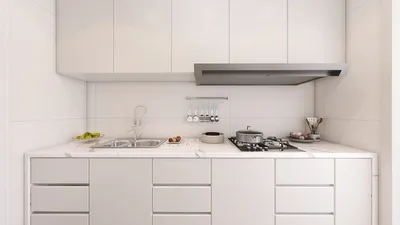


For years, I have assisted clients in mastering small, tight interiors where maximizing every square inch is crucial. In compact spaces, achieving a cool atmosphere relates more to factors like behavior, materials, and lighting than solely depending on mechanical systems. By optimizing these aspects, you can often feel a temperature reduction of 2–4°F even before turning on any devices.
Achieving thermal comfort involves multiple factors, including air temperature, radiant heat, humidity, and airflow. The WELL v2 Thermal Comfort framework emphasizes that slight increments in air movement can decrease temperature perceptions by about 2–3°C in certain contexts. Additionally, controlling humidity significantly enhances comfort levels. Research from Steelcase indicates that having the ability to adjust temperature and airflow correlates strongly with user satisfaction in densely populated living and workspaces. Guidance from the Illuminating Engineering Society (IES) on managing glare and natural light suggests that properly handled window illumination can mitigate radiant heat and visual strain, which are essential in smaller rooms.
Prioritize Design: Minimize Heat Gains Before Cooling
To begin cooling, it’s essential to prevent heat from entering the space. In smaller rooms, the radiant heat coming from windows can be a primary source of discomfort. Employ dual-layer shading solutions, which could include a reflective exterior setup (like solar films or external shades if permitted), complemented by a tightly woven interior roller shade. Opt for light, matte finishes that reflect daylight without capturing heat, and seal any air leaks around outlets using foam gaskets along with weatherstripping on doors to block hot drafts, allowing cooling devices to work more efficiently.
Aim for a visually balanced arrangement: use lighter ceilings (LRV 70–85) to enhance comfort perception by minimizing radiant heat, medium-toned walls (LRV 50–65) to reduce glare, and low-sheen floors to keep heat glare minimal. If your design plan includes rearranging furniture to enhance airflow, consider employing a room layout tool like Homestyler to quickly test different configurations.
Intelligent Layouts to Enhance Airflow
Air behaves similarly to water—ensure that you create unobstructed paths for it. Position a small desk fan or window fan at the most shaded intake while establishing an exhaust route on the opposite or higher end. Cross-ventilation can provide a cooling effect of 3–5°F during moderate humidity levels. Elevate any heat-producing devices (like routers and set-top boxes) away from seating areas, as the hot air above them can lead to additional discomfort.
Where doors separate rooms, consider reversing hinges or utilizing door stops to facilitate a ventilation channel from the coolest, shaded areas toward higher exit points. In lofts, installing a slim ceiling fan set to summer mode (counterclockwise rotation) can enhance airflow, making the perceived temperature feel about 2–3°F more comfortable. While reorganizing, mimic fan, screen, and furniture placements through an interior layout planner to minimize turbulence in workspace and sleeping zones—using an effective tool like Homestyler can help tremendously.
DIY Cooling: Simple, Portable, and Reusable Solutions
Start with a three-tiered approach that is friendly for renters:
Compact AC Solutions for Limited Spaces
Not all spaces can accommodate traditional window units, but these compact alternatives strike a balance between efficiency, noise, and moisture management:
Humidity and Comfort: The Overlooked Factor
In smaller apartments, humidity can increase due to cooking and bath activities. Maintaining indoor relative humidity levels between 40–60% yields the best comfort and helps prevent mold. A small dehumidifier can significantly improve the comfort of a 78°F room by enhancing cooling through skin evaporation. Ensure adequate ventilation in bathrooms for at least 20 minutes after showers; installing a timer switch can be a helpful addition. In kitchens, utilize lids on pots, favor back burners, and run the range hood during boiling or frying sessions.
Materials and Color Psychology for Enhanced Coolness Perception
The materials used in a space greatly influence thermal perception. Breathable natural fabrics such as cotton percale, linen, and Tencel wick away moisture and feel 1–2°F cooler than synthetic alternatives. When choosing furnishings for seating areas, opt for low-thermal-mass items; for example, cork stools and rattan chairs do not retain radiant heat like heavy leather. To create a sense of calm and enhance perceived coolness, consider blue-green hues, subdued neutrals, and soft-gray trims for windows, as these colors are linked to freshness and tranquility, according to insights from Verywell Mind's overview of color psychology.
Lighting Solutions: Combat Heat and Glare
Swap out heat-generating halogen bulbs for energy-efficient LED lights in the 2700–3000K range for evening use and 3500–4000K for kitchen task lighting. Maintain balanced lumens to prevent glare, which can exacerbate heat feelings. Layer your lighting with low-brightness indirect uplighting to cool the ceiling visually, task light strips under cabinets, and dimmed overall ambient lights in the evenings to support better sleep cycles. Adhere to IES glare control standards by avoiding bare high-intensity lights along direct sightlines.
Cooling Solutions for Cozy Bedrooms
Focusing on nighttime strategies can be more crucial than daytime adjustments in many compact homes. Aim for a temperature range of 60–67°F, whenever feasible with air conditioning. If that's not achievable, prioritize skin cooling and humidity management. Utilize a timer for your window or U-shaped AC to operate at a low setting while employing a quiet fan to circulate air gently without creating drafts. Opt for breathable bedding and consider a reversible gel topper solely during peak heat weeks. Employ blackout curtains with a light-reflective liner to stop early morning heat gain.
Addressing Acoustics and Vibration in Small Spaces
Smaller volumes can amplify sound. Select AC units that operate at lower noise levels (under 55 dB when on low) and place soft pads under portable models to dampen vibrations, avoiding corner placements where sound can resonate. A quiet, steady fan can help mask additional sounds for better sleep, but avoid rattling parts by tightening loose panels with felt strips.
Energy-Conscious Habits
Pre-cool your space during off-peak utility hours if feasible. Opt to cook in larger batches during the evening. Remember to unplug chargers and small appliances that emit heat. Keep doors closed in less frequently used rooms to better focus cooling in areas you utilize most. Regularly clean filters, especially in summer, as dust accumulation can unintentionally increase heat.
Checklist for Small-Space Layout
Resources to Consider
For a deeper understanding, I frequently consult the WELL v2 Thermal Comfort framework (v2.wellcertified.com) and IES standards for glare and daylight management (ies.org/standards). These principles translate effectively into small-space strategies when a significant redesign isn't possible.
FAQs
Ensure the window unit kit is securely sealed, introduce a makeup air path from a shaded window, avoid positioning the unit in corners, and clean filters biweekly. For single-hose models, slightly open a shaded window near the unit to minimize negative pressure.
Indeed—modulating air speed can produce a perceived cooling effect of 2–3°F. Opt for a low-profile fan in the 44–48 inch range with a DC motor and keep it rotating counterclockwise during summer.
Maintain relative humidity levels between 40–60%. Levels below 40% can feel arid, whereas those exceeding 60% may hinder sweat evaporation and amplify heat discomfort. Use a compact dehumidifier in kitchens and bathrooms during peak humidity months.
Colors do indeed affect perception. Cool, low-saturation shades diminish visual warmth, assisting the brain in framing the area as fresher, especially when adequate airflow is present.
U-shaped units conveniently isolate the compressor outside, typically reducing noise and facilitating better sleep. If the window sill allows, they are excellent options for compact bedrooms.
This is most effective in arid climates. In humid regions, prioritize dehumidification and airflow over moisture retention; consider using AC or desiccant dehumidifiers alongside targeted fans.
Pair a low-open-factor solar shade (3–5%) with a light-reflective exterior film if permissible. Angle furnishings to avoid direct light reflections while adding soft, indirect uplights to balance overall brightness.
Utilize an inverter window or U-shaped AC on low alongside a small DC fan for gentle air distribution. Isolate the unit using rubber pads and avoid positioning it against resonant walls.
While they don’t significantly lower indoor air temperatures, they can slightly enhance humidity. Place them near windows and manage humidity levels to prevent a stuffy atmosphere.
Absolutely—properly aligning intake and exhaust for cross ventilation, removing barriers, and repositioning heat sources away from seating arrangements can markedly improve perceived comfort in a small room. Utilize a room layout tool like Homestyler to experiment with arrangements before finalizing your setup.
Homestyler is your go-to online home design platform, perfect for anyone looking to transform their space. With its user-friendly design tool, stunning 3D renderings, and a wealth of DIY video tutorials, you can effortlessly create and visualize your dream home. Start your design journey today!
Projete agora para LIVRE
































