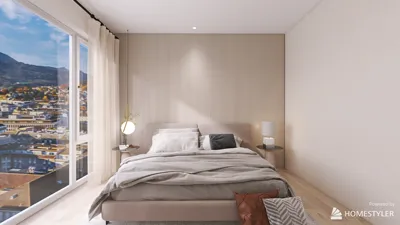


I specialize in crafting small homes for clients seeking sophistication without unnecessary extravagance. In limited spaces, it’s crucial that every square inch serves a purpose; true luxury is achieved through clarity, proportion, and a sense of comfort, rather than just size. By addressing essential elements—such as lighting, acoustics, ergonomics, and circulation—compact areas can function like more expansive environments. Utilizing tools like Homestyler can aid in the design process to ensure spatial efficiency.
When determining scale, adhere to established benchmarks. Task lighting should be set between 300 and 500 lux, while ambient light hovers around 100 to 300 lux to maintain a serene atmosphere in the room; these standards align with the guidance provided by the Illuminating Engineering Society for residential environments. Additionally, the WELL Building Standard v2 emphasizes the necessity for glare reduction, circadian rhythm support, and noise control; maintaining an interior noise level of 40 to 50 dBA during the day promotes concentration and comfort in living situations. These metrics inform choices related to lighting layers, window treatments, and material selections, ensuring a harmonious ambiance rather than a cramped one.
The arrangement of spaces significantly affects the perception of size. Research from Steelcase shows that environments promoting various postures and flexible areas enhance user satisfaction and lessen cognitive strain, even in homes ranging from 600 to 900 square feet. I employ a basic layout planning tool, like Homestyler, to visualize circulation paths (aiming for a clear width of 30 to 36 inches) and check furniture spacing before making purchases, often selecting low-profile items that preserve sightlines to windows and focal points.
Establishing a Spatial Rhythm
The allure of a small home often relies on its rhythm, featuring consistent reveals, synchronized sightlines, and repeated material elements. I opt for understated baseboards and door frames (around 3 to 4 inches) and align cabinet rails with window mullions to minimize visual discord. Maintaining a 60/30/10 color scheme—60% neutral tones, 30% supportive hues, and 10% accents—ensures a balanced energy within the space. By anchoring a wall with textured finishes like plaster or ribbed wood, we can introduce depth without adding visual clutter.
Layered Light and Color Dynamics
Incorporating three lighting layers—ambient, task, and accent—creates a sense of dimension in rooms. Ambient illumination should emit a warm glow (between 2700 and 3000K) for living spaces, while task lighting near reading areas should approach 3000 to 3500K for clarity. Dimming capabilities across all circuits are essential for mood setting and enhancing reflection. In color selection, soft greens and warm off-whites alleviate stress and visually expand space; according to Verywell Mind, green promotes tranquility and balance. Deeper shades should be utilized sparingly—like on entry walls or headboards—to foster a cocoon-like contrast that feels refined rather than oppressive.
Furniture Dimensions and Comfort Features
Comfort is a crucial yet often overlooked indicator of luxury. The Herman Miller research community emphasizes the importance of varied seating postures for well-being; in living areas, it's essential to incorporate at least two seating styles: a tall lounge chair (with a seat height of 17 to 18 inches) and a deeper sofa (with a seat depth of 20 to 22 inches). Coffee tables should be kept at a height of 15 to 17 inches to maintain an open, airy feel. Circular tables aid in preserving circulation, and an 80-inch sofa paired with a 36-inch round coffee table often outperforms sectionals in narrower rooms.
Sound Absorption and Acoustic Comfort
Rooms devoid of soft surfaces can magnify the sensation of smallness due to echo. I strategically layer softer materials: wool rugs, upholstered panels behind entertainment areas, and fabric-lined built-ins to control mid-frequency sounds. Aim for an NRC rating of 0.7 or higher on at least one large surface in each room—such as a plush rug, acoustic panel, or heavy drapes—to mitigate reflections. Installing door sweeps and gasketed jambs helps minimize sound transfer between small spaces, thereby enhancing privacy—a true luxury in living.
Concealed Storage Solutions
In smaller residences, stealthy storage serves as a secret advantage. Tall built-in units (up to 90-96 inches) draw the observer's gaze upwards while effectively managing clutter. I recommend wall cabinets that are 12 to 15 inches deep for living areas to avoid overwhelming protrusions. Opting for slender pull handles and push-to-open mechanisms maintains a visually tidy aesthetic. Inside, a varied mix of 9 to 12-inch shelf spacing alongside full-height sections organizes books and containers without leaving unutilized gaps.
Selecting Sustainable and Luxurious Materials
High-end materials should feel authentic to the touch and age gracefully. Options like rift-sawn white oak, wool, linen, and mineral-based plasters gain character as time passes. It’s best to pair one premium material (such as a solid wood floor or marble countertop) with durable alternatives (like quartz or porcelain) for a balance of aesthetic and maintenance. The WELL v2 guidelines encourage the use of low-VOC finishes, and I prioritize GreenGuard Gold-certified materials when possible, favoring matte finishes to minimize glare in intimate spaces.
Precision in Kitchen and Bathroom Designs
Chic kitchens in small homes require meticulous clearance measurements: aisles should be 42 inches wide for a single chef and 48 inches for shared cooking spaces, adhering to NKBA guidelines. Under-cabinet lighting set between 300 and 500 lux eliminates harsh overheads, creating a five-star hotel atmosphere. In bathrooms, ensuring a minimum width of 30 inches in front of fixtures aids movement; a niche-lined shower featuring vertically set 12-by-24 stone-look tiles can elongate visual dimensions. Warm 2700K lighting with a high CRI (90+) enhances the appearance of finishes by rendering them authentically appealing.
Creating Visual Balance and Focal Points
Select one standout feature per room—whether that’s a striking fireplace, an eye-catching art piece, or a unique light fixture—and let everything else harmonize with it. Minimize vertical clutter by grouping art into carefully measured arrangements; two or three larger pieces typically outshine galleries filled with small frames. Floating furniture slightly off the walls (by 3 to 6 inches) introduces artificial shadow lines and depth; this simple technique enhances the room’s breathing space.
Managing Window Treatments and Natural Light
Natural light is a luxurious asset when glare is controlled. Layer sheer drapes with blackout options on a double track to effectively manage brightness. In brighter rooms, consider light-filtering roller shades with a 3 to 5% openness factor to maintain views while reducing harsh contrast levels. Keep fabric colors tonal with wall shades to enhance the sense of width.
Micro-Zoning: Expanding Usable Space
Clearly define the purpose of each area: a cozy reading nook by the window, a productive workspace embedded in cabinetry, or a corner for enjoying tea or wine. Each micro-zone should be equipped with its own lighting and tactile features—a boucle chair, a stone-topped console. If the layout feels cramped, experiment with different arrangements using an interior layout planner like Homestyler to adjust seating, test clearances, and trial rug placements without the hassle of heavy lifting.
Creating Entrance and Storage Rituals
Entrances set the mood for the home. A slim console (12 to 14 inches deep), a large mirror to reflect light, and concealed storage for shoes cultivate an inviting threshold. Arrange hooks artfully along a line for a sculptural effect. Scent should not be overlooked; natural diffusers provide a welcoming touch without overwhelming a small space.
Innovative Lighting Control and Technological Integration
Scene programming can add a touch of elegance to small homes. Set presets for morning wake-ups, reading time, dining ambiance, and evening relaxation that transition gently. Designate separate circuits for decorative light fixtures to curate focus on artwork and furniture. Implement smart thermostats and quiet ventilation systems to maintain thermal comfort, while ensuring devices blend seamlessly into the backdrop—true luxury often lies in the absence of visible technology.
Common Pitfalls to Avoid
Be cautious of oversized sectionals, neglecting acoustic considerations, and overmixing metallic finishes in a single sightline. I limit the number of finishes to three metallic tones throughout a home, ideally two per room, while maintaining a consistent hue across light sources to avoid disjointed color perception.
Quick Tips for Immediate Enhancement
- Switch to warm-dim bulbs (2700-2200K) for a soothing evening glow.
- Lay down a dense pile wool rug to absorb echoes and add a tactile dimension.
- Hang drapery higher to visually elevate the space, letting them fall to the floor.
- Simplify surfaces by leaving spaces clear on shelves and consoles, allowing the eye to rest.
FAQs
Establish a focal point, lower furniture profiles, and maintain a 60/30/10 color scheme. Utilize layered lighting with dimming capabilities and incorporate at least one acoustically absorptive surface to enhance the acoustic environment.
Aim for ambient light levels of 100-300 lux, task lights at 300-500 lux, and accent lighting as needed. Prefer warmer tones of 2700-3000K for living areas, ensuring dimming features to adjust ambiance.
Select high-quality materials like rift-sawn oak, wool fabrics, linen, and mineral-based plasters. Combine a statement stone with durable quartz or porcelain for ease of maintenance and longevity.
Ensure at least 30-36 inches of clearance around seating and doorways. Opt for round tables and streamlined arm designs on sofas to maintain flow.
Maximize vertical storage with 90-96-inch tall built-ins, employ push-to-open hardware for a clean facade, and vary shelf heights to accommodate both books and bins while avoiding wasted space.
Layer sheer curtains with blackout blinds or use roller shades with 3-5% openness. Opt for matte finishes wherever possible to minimize glare and reflections.
Design lounge furniture with a seat height of 17-18 inches and a seat depth of 20-22 inches, ensuring at least two seating posture options are available in every room.
Strive for daytime noise levels around 40-50 dBA; introduce at least one NRC 0.7+ surface in each room and seal doorways to limit sound passage.
Follow NKBA guidelines for aisle widths (42 inches for single cooks and 48 inches for double cooks); integrate under-cabinet lighting and maintain cohesive finishes to foster visual calm.
Absolutely. Create distinct areas for different activities—reading, working, or dining—each equipped with specialized lighting and texture cues, all tested through layout simulations before finalizing.
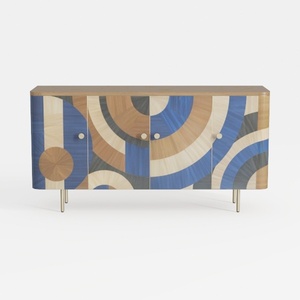
Tribesigns 63'' Farmhouse Sideboard Buffet Cabinet
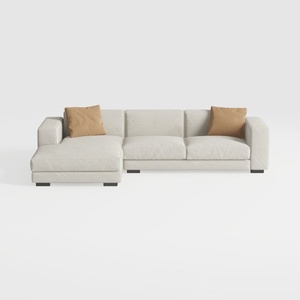
LINSY HOME Oversized Cloud Modular Couch with
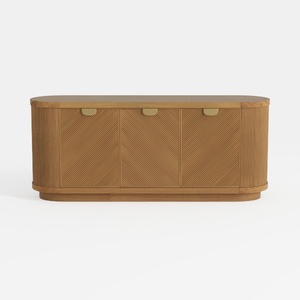
Meridian Furniture 77054Natural Everson Collection
Homestyler is your go-to online platform for all things home design. With its user-friendly design tool, stunning 3D renderings, and extensive library of DIY video tutorials, you can effortlessly create and visualize your ideal home projects. Transform your space with ease and inspiration!
Projete agora para LIVRE
































