

Direct Answer
Enhancing natural light and airflow in rectangular home designs relies on three main approaches: placing windows thoughtfully on opposing walls, arranging rooms strategically along the elongated layout, and incorporating architectural features such as courtyards or light wells that introduce daylight to central sections. By integrating these tactics, even narrow and lengthy residences can achieve a bright, airy, and naturally ventilated atmosphere.
Quick Takeaways
Introduction
Managing natural daylight and ventilation in rectangular house layouts often presents challenges. Drawing from experience with numerous long, slender homes in California and Texas, a common homeowner concern is that front areas receive ample light, while central spaces remain dim and poorly ventilated.
This issue isn't inherent to rectangular floor plans but stems from how windows, rooms, and pathways are organized along the house's length.
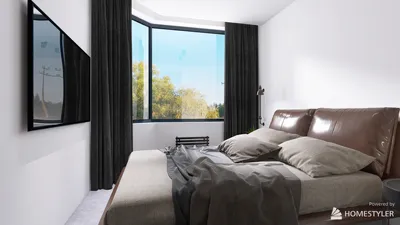
During redesigns, the initial focus is usually on analyzing how daylight permeates the floor plan. When experimenting with layout concepts, visualizing daylight through a simple room planning process can help evaluate lighting efficiency early on. Minor adjustments in room locations or wall apertures can significantly influence light distribution throughout the house.
This guide outlines key techniques to maximize lighting in rectangular homes while enhancing airflow and occupant comfort.
save pin
Why Rectangular Homes Benefit from Thoughtful Window Placement
Key Insight: In elongated homes, window location has a greater impact than window size since the shape restricts daylight penetration distance.
A frequent error is concentrating windows solely on the front and rear façades, causing the middle sections to rely heavily on artificial lighting throughout the day.
Instead, distributing windows along both lengthy sides encourages side-to-side daylight entry and better cross ventilation.
Effective window strategies include:
Per U.S. Department of Energy daylighting recommendations, well-placed windows can reduce daytime electricity needs by as much as 75% in homes.
Several rectangular homes experienced nearly double the perceived brightness after reallocating windows to side walls without expanding overall window area.
Ideal Orientation for Rectangular Residences
Key Insight: Aligning the long walls of a home to face north and south optimizes balanced daylight and passive cooling potential.
Orientation is often underestimated, as many assume it's only important for solar panel performance. However, it critically shapes daylight availability during the day in rectangular homes.
Recommended orientation practices:
Research from the National Renewable Energy Laboratory reveals that north-south oriented long façades yield more even daylight distribution and reduced overheating risks.
This alignment also supports effective ventilation since prevailing winds commonly flow across the home's length.
save pin
Incorporating Courtyards and Light Wells in Elongated Floor Plans
Key Insight: Adding interior light sources like courtyards or light wells interrupts deep interior zones and significantly enhances daylight access.
Long floor plans frequently suffer from "deep plan syndrome," where central rooms lack proximity to exterior walls and natural light.
A favored solution is to introduce a small courtyard or light well centrally within the layout.
Effective options for rectangular homes include:
Even compact courtyards, measuring 8 to 10 feet across, can illuminate adjacent spaces substantially.
Using a 3D room planning tool that simulates light and airflow patterns helps designers understand daylight distribution before construction.
Cross Ventilation Techniques for Rectangular Homes
Key Insight: True cross ventilation depends on aligning openings opposite each other across the house's width, rather than merely having multiple windows.
Many rectangular layouts have numerous windows yet still experience stagnant air due to obstructed airflow caused by walls or misaligned openings.
Design strategies to improve cross ventilation include:
The World Health Organization highlights cross ventilation as vital for indoor air quality and thermal comfort in housing.
Common redesigns involve modifying hallway partitions with partial openings or sliding panels to allow breezes to flow uninterrupted throughout the home.
save pin
Room Arrangement for Optimal Daylight
Key Insight: Positioning frequently used rooms in areas with the strongest natural light improves comfort significantly without structural modifications.
A typical challenge is poor room hierarchy, where bedrooms consume the brightest spaces while social areas are relegated to darker zones.
A daylight-conscious zoning approach includes:
Simply relocating rooms within the existing plan can increase perceived brightness more effectively than installing extra windows.
This approach has been confirmed in renovations where room functions were swapped, enhancing light quality without altering the overall layout.
Answer Box
The most efficient way to illuminate elongated rectangular homes combines three measures: windows on both long sides, a central daylight feature like a courtyard, and placing living spaces in the brightest zones. Together, these strategies elevate light and airflow quality.
Architectural Techniques to Illuminate Deep Floor Plans
Key Insight: Minor architectural modifications can greatly influence daylight penetration in long houses.
When major alterations aren't feasible, designers depend on subtle methods to encourage light to reach deeper interior zones.
Techniques that prove effective include:
During the design phase, employing a free floor plan tool with daylight visualization helps assess how small wall adjustments or ceiling openings affect overall illumination.
The focus extends beyond merely adding windows to enabling unobstructed light flow throughout the space.
save pin
Final Summary
FAQ
How can lighting be optimized in rectangular home layouts?
By placing windows along both lengthy sides, incorporating features like light wells or courtyards, and situating living areas where daylight is most intense.
Why do middle areas in rectangular homes often feel dark?
Because these central zones are too distant from external walls, blocking natural light from reaching inside.
What is the ideal window arrangement for rectangular houses?
Windows should be positioned on opposing walls to allow lateral daylight entry and promote cross ventilation.
How can a long floor plan be brightened without adding windows?
By implementing skylights, glass partitions, reflective light-colored surfaces, and enlarging interior openings to distribute light effectively.
What defines cross ventilation in elongated homes?
It occurs when air enters from one side and exits the opposite side, enhancing airflow and cooling.
Do courtyards aid natural lighting in long floor plans?
Yes; even compact courtyards introduce daylight to interior rooms and boost ventilation throughout the residence.
How crucial is orientation for ventilation in rectangular houses?
Extremely; orienting the long side toward prevailing winds and balanced sunlight benefits both airflow and natural lighting.
Are skylights effective for brightening dark areas in rectangular layouts?
Skylights are highly useful in hallways and central spaces lacking external windows.
References
For designing and visualizing these lighting and ventilation strategies, tools like Homestyler offer intuitive platforms that enable homeowners and designers to experiment with layouts and see daylight flow realistically before building begins.
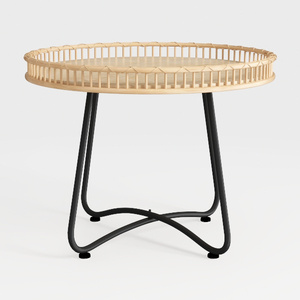
Minimalist Rattan Metal Round Side Table 3D Model
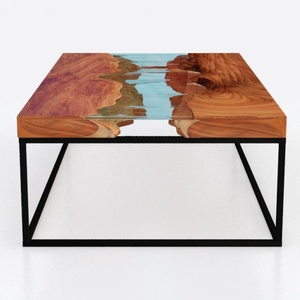
Custom 3D Waves Ocean Dining Table, Blue Ocean
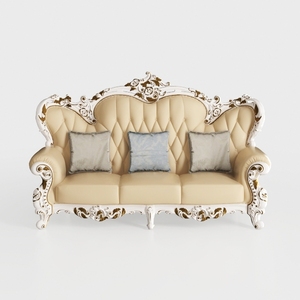
Baroque Luxury Leather Tufted Three Seat Sofa 3D Model
Homestyler offers an easy-to-use online design tool combined with stunning 3D renderings, inspiring interior projects, and helpful DIY video tutorials—making home design simple and enjoyable for everyone.
Projete agora para LIVRE
































