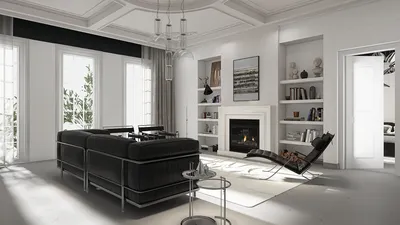


Incorporating personal style into your living space can be as inspiring as following iconic figures like Miss J Alexander, known for his dynamic fashion presence. After significant life changes, creating a home environment that reflects resilience and personality becomes essential. Thoughtful furniture choices and space planning can transform your interior into a sanctuary that celebrates individuality and fosters well-being.
Direct Answer
To maximize seating capacity and operational efficiency in a restaurant floor plan, it is crucial to balance table density with unobstructed traffic flow, maintain adequate spacing between tables, and strategically place service stations. A well-conceived layout enhances seating availability without compromising service speed or guest comfort. The most successful establishments leverage layout planning as a functional strategy rather than mere aesthetics.
Quick Takeaways
Introduction
Through over ten years working on numerous restaurant projects, I've realized that the difference between a thriving dining room and a frustrating one can hinge on just a few feet of space. Optimizing a restaurant’s layout isn't solely about adding more tables; it involves crafting an environment where customers feel at ease, servers operate with efficiency, and the kitchen synchronizes seamlessly with the dining space. Utilizing platforms like Homestyler can aid in visualizing these designs early on.
Many restaurant owners mistakenly believe that increasing seating always leads to higher revenue. However, poorly designed floor plans can cause service delays, crowding, and lower table turnover. I've witnessed cases where removing a couple of tables actually boosted income due to enhanced service flow.
When planning a redesign, visually mapping the floor plan is invaluable. Numerous operators utilize tools such as Homestyler to experiment with diverse seating configurations before construction, allowing them to anticipate traffic bottlenecks and spacing issues in advance, thus avoiding costly errors down the line.
This guide will explore layout strategies proven to boost seating while sustaining service efficiency.
Balancing Seating Capacity and Customer Comfort
Key Insight: Profitable restaurant layouts maximize seating without compromising guest comfort by preventing cramped environments.
A common error is focusing exclusively on table count. Tables placed too closely discomfort patrons and obstruct servers, which tends to slow service and reduce repeat business.
From various restaurant projects, an effective layout generally allocates space in a balanced manner that suits the restaurant’s style and size.
Though this spacing guideline isn’t universal, it offers a reliable foundation for many casual and mid-scale establishments.
An often overlooked pitfall is the direct correlation between layout efficiency and service speed, as confirmed by research from the National Restaurant Association.
Ideal Table Spacing for Different Restaurant Types
Key Insight: Table distances should reflect the restaurant's concept rather than just the floor's physical size.
Spacing varies depending on desired dining experiences; fine dining demands more room, while casual cafes can accommodate tables closer together.
Recommended spacing guidelines include attention to aisle width, which is paramount.
Pathways must allow servers with trays at least 36 inches of clearance, often increased to 42 inches in high-traffic zones near kitchens.
Optimizing Server Traffic Flow in the Dining Area
Key Insight: Streamlining servers' movements can boost revenue more effectively than merely adding seats.
By analyzing server routes during peak times, inefficient paths can be identified and minimized, improving overall workflow.
Issues like unnecessary steps between kitchen, service points, and tables reduce productivity.
Simulating service routes with tools such as Homestyler’s 3D layout planners allows designers to test and refine flow before implementation.
In one Los Angeles restaurant project, reorienting booths and widening central aisles cut average server walking distance by nearly 25%.
Strategic Placement of Service Stations
Key Insight: Misplaced service stations slow service and reduce overall efficiency.
Properly positioned stations support natural server workflows, cutting service time and easing congestion.
Effective strategies involve placing service stations to minimize overlap with guest sightlines while maintaining quick server access.
How Layout Design Affects Table Turnover Rate
Key Insight: Well-designed layouts accelerate table turnover by minimizing delays in seating, ordering, and clearing.
Table turnover significantly influences restaurant profitability, and layouts enabling quick transitions between guests can substantially raise revenue.
Key layout components affecting turnover include spacing, traffic flow, and station accessibility.
Planning redesigns with tools like Homestyler helps visualize seating arrangements and detect potential bottlenecks prior to renovation.
The most effective restaurant layouts prioritize circulation flow first and seating density second, balancing both to achieve speedier service and increased seating capacity.
Small Layout Adjustments That Increase Seating Capacity
Key Insight: Minor modifications can unlock extra seating without compromising comfort.
Incremental changes such as switching bulky chairs for slimmer alternatives and reorienting tables can yield noticeable seating improvements.
In some small venues, such tweaks have added 6 to 10 seats simply by adjusting furniture and layout orientation.
Final Summary
FAQ
How much space should each restaurant seat require?
Typically, 15 to 20 square feet per seat is allocated depending on dining style and service model.
What is the best restaurant table spacing?
Casual dining spaces often provide 18 to 24 inches between chairs, while fine dining spaces require 24 to 30 inches or more.
How can I increase restaurant seating capacity without remodeling?
Employ flexible two-top tables, wall-mounted banquettes, and optimize server pathways to squeeze more seats into existing space.
What aisle width is recommended for restaurant servers?
At least 36 inches width is encouraged, with 42 inches advised near busy service areas.
Does layout design affect restaurant revenue?
Absolutely. Efficient floor plans enhance service speed, increase table turnover, and boost daily income.
How many service stations should a restaurant have?
A general guideline is one service station per 20 to 30 seats.
Can a better layout really improve restaurant efficiency?
Yes, optimizing seating and circulation flow significantly reduces service delays and enhances guest satisfaction.
What is the biggest restaurant layout mistake?
Overcrowding tables without considering server paths is the most detrimental and common error.
References
National Restaurant Association Industry Reports
Restaurant Development and Design by Costas Katsigris

DFW Folding Dining Table, Versatile Dinner Table w

COLAMY Swivel Accent Chair, 360° Swivel Chair with
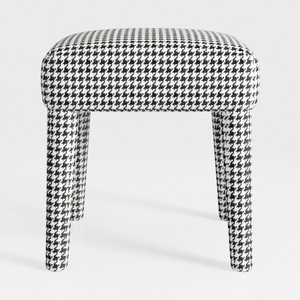
Houndstooth Fabric Upholstered Minimalist Ottoman 3D Model
Homestyler is a user-friendly online platform that lets you design your home effortlessly. With advanced 3D rendering, a vast collection of design projects, and helpful DIY video tutorials, it’s perfect for bringing your interior ideas to life quickly and beautifully.
Projete agora para LIVRE
































