


Having designed numerous compact office spaces, I've found that the most effective filing cabinets for small areas possess three essential features: a minimal footprint, optimized vertical storage capacity, and ergonomic designs that seamlessly integrate into your daily operations. In environments where space is limited, every inch needs to be utilized efficiently—including your storage solutions.
When considering office space, it’s not merely about the available square footage; it’s about how well your storage enhances productivity and movement. According to Gensler's U.S. Workplace Survey, employees who have the ability to manage their workspace report 1.3 times higher satisfaction, which includes having access to files without interrupting their workflow. Steelcase highlights that oversized storage can create excessive visual clutter and mental strain, detracting from overall performance. A well-organized compact cabinet minimizes mental distractions, enabling you to concentrate on what truly matters. The following recommendations reflect this principle. For guidance on lighting and comfort in relation to storage areas, refer to WELL v2 for glare management and movement suggestions, while IES advises achieving task illuminance of 300–500 lux for optimal paper handling—especially useful when positioning cabinets in dimly lit spaces.
What Defines a “Small-Space Smart” Filing Cabinet
In assessing cabinets for limited spaces, I consider the ratio of footprint to capacity, drawer clearance, and how they fit into the workflow. For under-desk models, a width of 15–18 inches is ideal, while vertical towers ranging from 24 to 30 inches wide can effectively substitute bulky credenzas. Opt for full-extension drawers so you can avoid the annoyance of half-reached files. Ensure there is a minimum 36-inch width in front of each cabinet to allow for easy movement, and choose recessed pulls to prevent snagging on clothing or bags. If you’re carefully planning layouts, using a room layout tool like Homestyler can aid in visualizing drawer movement and traffic patterns without the guesswork.
Top Filing Cabinet Types for Efficient Space Saving
Ideal for solo workstations and home offices. Look for cabinets that are 15-16 inches wide, equipped with anti-tip interlocks (to ensure only one drawer opens at a time), and feature a file drawer accommodating both letter and legal-sized documents with adjustable rails. Wheels make it easy to relocate for cleaning or reconfigurations. Opt for matte finishes to minimize glare and consider soft-close slides to enhance quietness.
These cabinets maximize vertical space while minimizing horizontal footprint. Choose units with a depth of 26–28 inches so files fit snugly without the need for overreaching. If natural light is limited, select neutral, low-gloss colors (around Munsell value 7–8) to boost brightness without creating reflections. Pair these with 4000K lighting for adequate visual clarity.
Suited for collaborative teams that need wide access without taking up too much space. A lateral cabinet measuring 30–36 inches wide can effectively replace a traditional 60-inch credenza in various configurations. Utilize adjustable dividers to maintain organized categories, and the top surfaces can be leveraged for printers or greenery—vertical stacking triumphs in compact areas.
Perfect for adaptable spaces and hybrid work teams. A cart that can slide under a console or window bench serves as an ideal “pop-up archive.” Ensure it has a designated parking space that does not obstruct pathways. Locking wheels and centralized locking systems maintain security while facilitating quick adjustments.
When floor space is occupied, utilize wall surfaces. Shallow wall-mounted shelves with labeled boxes or hanging file rails keep documents accessible while clearing up floor space. Ensure that the mounting height is ergonomically reachable (about 48 inches for the top shelf) and avoid overloading walls without studs.
Ergonomics and User Experience
Comfort in the workplace reduces friction in day-to-day operations. For frequently used drawers, the ideal handle height should be between 24-36 inches from the floor, which minimizes wrist strain. Interlocks that prevent tipping are essential in narrow spaces. Filing orientation is also crucial: front-to-back filing is more effective in deeper drawers to prevent shoulder strain, while side-to-side filing in lateral cabinets reduces reach. Additionally, consider acoustic comfort—metal-on-metal slides can become distracting. Using powder-coated steel with dampened runners and felt bumpers can mitigate sound in smaller spaces where noise can accumulate quickly.
Lighting, Color, and Visual Clarity
Poorly lit storage areas tend to become clutter collectors. Aim for 300–500 lux on the cabinet face to reduce misplacing documents and eye strain. Utilizing neutral cabinet colors—soft gray, muted teal, or warm off-white—helps lower visual noise, subtly promoting an organized atmosphere. Color psychology indicates that cooler neutrals enhance focus, while softer warm tones can lessen the perception of density. In confined areas, bright colors can increase the visual presence of items; therefore, keeping saturation muted is key to achieving a calm environment.
Choosing Materials and Sustainability
Just because a cabinet is compact doesn’t mean it should be of low quality. Prioritize powder-coated steel for its durability and fire resistance, integrating recycled materials where possible. For wooden cabinets, select responsibly sourced veneers with low-VOC finishes to maintain healthy indoor air quality. In humid climates, cabinets finished with corrosion-resistant steel will outperform MDF. Sustainable designs often include modular interiors—like adjustable rails and bins—allowing your storage solutions to adapt as your filing requirements change.
Security and Compliance in Limited Spaces
Small offices frequently serve multiple purposes, making locking mechanisms essential. Opt for centralized locking systems and ensure that keys are kept in a consistent and accessible location. Interlocks minimize the risk of tipping when multiple drawers are opened simultaneously. For sensitive documents, position cabinets to avoid direct visibility from visitors, and keep them away from windows to bolster privacy.
Layout Strategies to Enhance Flow
When designing the placement of cabinets, I strive for seamless reach and movement: high-frequency files should be within a single pivot from the desk, while archive files are ideally located within a step's distance. Position vertical towers perpendicular to windows to diminish glare from opened drawers, maintaining at least a 36-inch clearance in front. Utilize corner niches and alcoves effectively—these are ideal spots for vertical towers that can transform wasted space into valuable storage. To assist in this visualization process, employing an interior layout planner, like the Homestyler room design tool, can help you map out drawer clearance, circulation, and sightlines before making any purchases.
Storage Capacity Planning: Aligning Your Needs
A practical guideline is to keep only the files you actively use within arm's reach, while older documents can be stored offsite or on high shelves. In my experience, effective digitization and clear retention policies can compress on-site paper volume by 30-50%, often rendering a second cabinet unnecessary. Labeling categories with consistent naming conventions helps prevent duplicate growth. If legal-size files are required, ensure that the cabinet’s rails can be adjusted—many slim pedestals are only configured for letter size by default.
Checklists for Recommended Features
Project Placement Examples
In a 90-square-foot studio, we replaced a 60-inch lateral cabinet with a 16-inch mobile pedestal alongside a 3-drawer vertical tower. This adjustment provided a 24-inch walkway and opened up wall space for a whiteboard. In a collaborative workspace, two slender pedestals under a 48-inch standing desk stored client files while adhering to ADA-compliant circulation standards. In both scenarios, careful layout planning highlighted potential conflicts with deep task chairs and drawer pulls, leading us to specify recessed handles and soft-close mechanisms.
Maintenance and Care
Keep drawer distribution balanced; an overloaded top drawer poses a tipping hazard. Reassess categories every few months to purge duplicates and refresh labels. Replace worn drawer slides to prevent jams due to warping. Clean surfaces with non-abrasive materials and avoid high-gloss finishes that can enhance glare. If wheels start to become unstable, replacing them is necessary as mobility is only advantageous when secure.
Frequently Asked Questions
A 15-16 inch wide pedestal with a depth of 20–24 inches typically fits under most desks while allowing for adequate legroom. Be sure to check knee clearance and drawer face thickness to prevent bumps.
Vertical towers are advantageous in spaces where floor width is restricted since they utilize height effectively. Opt for lateral drawers only when shared access to wider files is critical, ensuring 36 inches of drawer clearance is maintained.
Aim for 300-500 lux at the cabinet face to facilitate comfortable document management, aligning with standard task lighting recommendations. Adding 4000K LEDs can enhance contrast without causing strain.
Key security features include anti-tip interlocks, weighted bases, and mechanisms that limit simultaneous drawer openings (allowing only one drawer at a time). Store heavier items in the lower drawers to stabilize the center of gravity.
Choose soft-close, dampened runners, felt pads, and powder-coated materials. Position cabinets away from hard corners that can amplify sound in smaller environments.
Yes, as long as the cabinet is equipped with adjustable rails or flexible frames. Confirm specifications—many slim units default to letter-size storage unless modifications are made.
Store frequently accessed files within a single pivot from your desk and archive files at least one step away. Maintain a clearance of 36 inches in front of drawers, and avoid blocking light sources.
Powder-coated steel provides excellent durability and fire resistance. For wooden cabinets, low-VOC finishes make them suitable for home office environments; it's best to avoid MDF in humid conditions.
Utilize a layout simulation tool to map out drawer clearance, traffic flow, and user access. This approach will identify potential conflicts with deep chairs, doors, and cabinet handles prior to making a purchase.

Industrial Solid Wood Metal Wall Mounted Bookshelf Display Shelf 3D Model
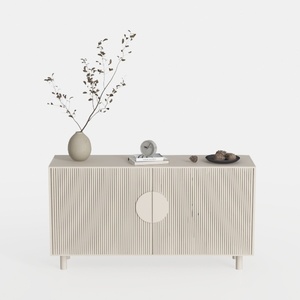
Minimalist Fluted Solid Wood Sideboard Cabinet 3D Model
Homestyler is your go-to online home design platform that makes creating beautiful spaces easy and fun! With its user-friendly design tool, stunning 3D renderings, inspiring design projects, and helpful DIY video tutorials, you can effortlessly turn your interior design dreams into reality.
Projete agora para LIVRE
































