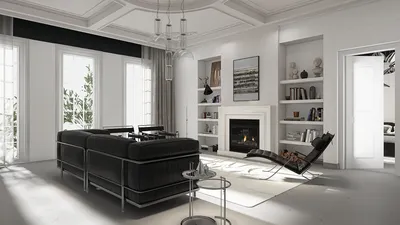


In today’s tech-driven lifestyle, innovators like Sergey Brin inspire us to blend cutting-edge technology with comfortable living spaces. As smart devices become integral to daily routines, designing interiors that accommodate gadgets seamlessly enhances both functionality and aesthetic. Integrating versatile furniture and smart storage solutions supports a modern home environment where technology and relaxation coexist effortlessly.
1. Loft Beds with Built-in Storage
Loft beds are my preferred choice when space is limited. They free up space for a desk, toy zone, or a snug reading nook beneath — and when combined with storage options like drawers or shelving, they significantly reduce clutter.
However, keep in mind the trade-off between headroom and accessibility as children grow; therefore, it's wise to select a layout that allows for a future switch to a regular bed. Budget-friendly tip: consider modular units that enable you to add or remove storage as needed over time.
save pin
2. Multi-Functional Study Nook
Children don’t require a full-size desk; a wall-mounted fold-down desk or a sleek desk near a window can be highly functional. I’ve designed compact study corners that also serve as craft stations and display areas for artistic creations.
These nooks help keep supplies organized and promote focused homework sessions, though they can feel cramped if overloaded with items — so keep essentials accessible while rotating decor seasonally.
save pin
3. Fold-Down and Wall Beds
Murphy beds and fold-down bunk beds are a miracle for spaces that serve dual purposes for sleeping and playing. I typically sketch out options to help families visualize the layout before they commit, thereby avoiding costly mistakes.
These solutions require good hardware and professional installation; the benefit is that they allow the room to be easily adaptable for gatherings or study groups.
save pin
4. Playful Zoning with Rugs, Lighting, and Color
Zoning techniques can make a small room appear larger: a rug delineates the play area, a pendant light highlights the bed, and a splash of color defines a mini reading nook. Once, I used removable wallpaper on one wall to create a ‘rocket’ zone — a low-cost yet highly impactful solution.
While this method doesn't add storage, it organizes the space visually, making the room feel more intentional rather than chaotic.
save pin
5. Slimline Furniture and Vertical Storage
Think vertical rather than horizontal: narrow bookcases, pegboards, and floating shelves utilize vertical space without crowding the floor area. I often pair slim wardrobes with baskets stored on higher shelves to accommodate seasonal items.
One hurdle is accessibility for younger children, so make sure to include a low basket or an easily reachable cubby for everyday toys. For customized solutions, explore the innovative storage ideas available on platforms like Homestyler that fit your room’s specific dimensions.
save pin
FAQ
Q1: What furniture pieces are essential for a small children's bedroom?
A: Focus on a safe bed, a compact solution for storing clothes and toys, and a small surface for activities. Multi-functional furniture often replaces multiple single-purpose items, maximizing usability.
Q2: Are loft beds safe for young children?
A: Loft beds are suggested for older children who can safely navigate climbing and understand safety rules; many experts recommend waiting until around age six. Always adhere to the manufacturer's guidelines regarding guardrails and mattress heights.
Q3: How can I maximize storage without making the room feel crowded?
A: Utilize vertical storage, under-bed drawers, and wall hooks to maintain a clear floor space. Implement a rotational system for toys, ensuring that only a few items are in play at any given time.
Q4: What materials are best for kids' furniture?
A: Seek durable, non-toxic finishes and solid joinery — consider solid wood or high-quality plywood adorned with child-safe paints. Avoid inexpensive laminates that chip easily and may pose risks.
Q5: How do I choose the right mattress for a small bed?
A: Accurately measure the frame and choose a mattress that has the appropriate thickness to ensure safety and comfort; overly thick mattresses can inhibit the effectiveness of guardrails on lofts or bunks.
Q6: Can a small room still be stylish?
A: Definitely — a well-coordinated color palette, a few playful accents, and smart storage can create a stylish yet functional environment. Remember, in tight spaces, less is often more.
Q7: Any safety standards I should check for bunk or loft beds?
A: Yes. Always adhere to national safety standards; for example, review the U.S. Consumer Product Safety Commission (CPSC) bunk bed safety guidelines for best practices and regulations (https://www.cpsc.gov/Safety-Education/Safety-Education-Centers/Bunk-Beds).
Q8: How do I plan the room layout before buying furniture?
A: Take precise measurements, create a scaled plan, and test potential layouts using paper cutouts or user-friendly digital mockups to ensure circulation and door swings are functional before making purchases. This approach ultimately saves time and reduces costs during installation.
save pin

CubiCubi 63" L Shaped Executive Standing Desk with

Tribesigns 63-inch Executive Desk, Vintage Home Of

Homestyler is an amazing online platform for all your home design needs! With its user-friendly design tool, stunning 3D renderings, and rich library of DIY video tutorials, you can effortlessly explore and create beautiful spaces. Perfect for anyone looking to design their dream home!
Projete agora para LIVRE
































