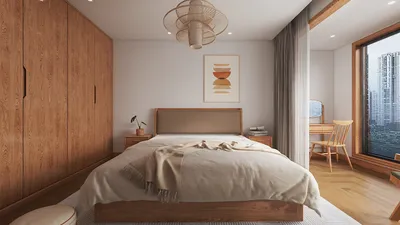


Creating a child’s bedroom in the compact apartments of India requires more than just reducing the size of standard furniture; it necessitates an effective combination of innovative storage solutions, adaptable layouts, and robust materials designed to withstand the rigors of everyday play. Through my extensive experience in designing numerous children's rooms within limited spaces, I have found that the most effective designs prioritize ease of movement, organized storage, and furniture that evolves alongside the child, instead of clashing with the available square footage. A tool like Homestyler can be particularly useful for visualizing these layouts.
Maximizing space efficiency yields significant advantages. Research from Steelcase indicates that well-defined environments bolster task concentration and diminish cognitive overload, which is especially crucial for study areas in shared bedrooms. The WELL v2 standards recommend achieving at least 300–500 lux of horizontal lighting for reading and study zones. Additionally, using warm-neutral lighting between 2700–3500K ensures visual comfort. I establish these lighting parameters prior to arranging the desk, bed, or wardrobes, as appropriate lighting can create an illusion of spaciousness, making smaller pieces of furniture seem more expansive—by enhancing the visibility of surfaces and alleviating visual clutter in corners. For more in-depth ergonomic insights, the WELL Building Standard offers specific guidelines regarding lighting and comfort, complemented by Steelcase’s findings on optimal learning environments that advocate for thoughtfully designed layouts.
The selection of colors plays a crucial role in influencing perceptions of space in small rooms. According to guidance from Verywell Mind on color psychology, cooler shades such as soft blues and greens are commonly associated with tranquility and a sense of expansiveness, while vibrant reds may invigorate a space but often contribute to a feeling of visual congestion. In cozy rooms, I advocate for subdued color palettes complemented by a single striking accent—whether it's on a headboard or within a shelving unit—to maintain an airy yet engaging atmosphere, all easily planned using Homestyler.
Plan the Layout First
An effective children’s room requires a clean circulation pattern: for instance, a walkway of 700–800 mm leading to the bed, unobstructed access to wardrobe doors, and a study chair that can easily slide out without obstructing the flow. I typically commence with the bed’s placement and the door swing direction, then strategize the arrangement of storage around the room's perimeter. If you are contemplating different configurations—like bunk beds versus trundle beds, or desks positioned under windows versus mounted on walls—a room layout simulation tool such as Homestyler can aid in quickly visualizing these options, checking for bed clearances, wardrobe door arcs, and ergonomic desk setups.
Choose a Bed That Multiplies Function
In smaller spaces, the bed's design should incorporate hidden storage or multifunctional features. Trundle beds are ideal for sleepovers, providing an extra mattress without consuming permanent floor space. Loft beds create a free area of 1.2–1.5 meters underneath, suitable for either a desk or a play zone; ensure that guardrails are at a safe height and that the ceiling offers sufficient clearance for comfortable sitting on the mattress. When accommodating siblings, staggered bunks with built-in shelving at either end keep the central area open for activities—with design assistance easily done using Homestyler.
Use Vertical Storage, Not Bulky Blocks
Extend wardrobes to the ceiling and utilize shallow top cabinets for storing off-season clothes. A wardrobe depth of 450–550 mm is adequate for children's apparel; sliding doors mitigate swing conflicts in tight quarters. Configure hanging rods at two different heights to accommodate varying ages, and incorporate pull-out bins on the lower portion for easy access to toys. Tall, narrow bookcases secured to the wall maintain a small footprint while minimizing tipping risks, with layouts easily explored with tools like Homestyler.
Build a Flexible Study Nook
In Indian apartments, windows often align with bed heights; I position the desk perpendicularly to optimize natural light without causing glare on screens. Following the WELL v2 lighting principles ensures a minimum of 300–500 lux at the work surface. Supplement this with a 4000K task light for sharp contrast during reading sessions. Pair the desk with an adjustable chair and footrest to promote a comfortable seating position, and keep the workspace tidy by utilizing a pegboard or rail system above the desk for books and supplies, maximizing use of available space with the help of Homestyler.
Smart Storage: Under-Bed, Over-Door, and Corners
Under-bed storage drawers are invaluable—incorporate full-extension hardware to access the entire depth easily. Utilize over-door shelving units for stashing art supplies, puzzles, and seasonal items, thereby preventing clutter on the main walls. In corners, triangular shelves or L-shaped benches can provide both seating and storage; I frequently design L-bench units with hinged tops to accommodate larger toys, making organization a breeze with tools like Homestyler.
Light, Acoustics, and Sleep Hygiene
Combine ambient and task lighting effectively. A dimmable ceiling fixture creates a calming atmosphere in the evening, while a warm bedside lamp enhances bedtime rituals—strive for a consistent color temperature around 3000K for pre-sleep reading. To manage noise, incorporate soft furnishings—like curtains, rugs, and upholstered headboards—that increase sound absorption and reduce reverberation, promoting a peaceful shared space. Installing blackout blinds or double-lined drapes ensures that bedrooms facing east benefit from a more controlled light environment in the early mornings.
Color and Materials Suited for Indian Climate
The challenges posed by humidity and dust greatly influence material selections. Soft-matte laminates are excellent choices due to their resistance to fingerprints and their subdued aesthetics compared to high-gloss finishes, especially in limited spaces. Opt for VOC-compliant paints to safeguard indoor air quality. Employ soft blues, mint greens, and pale coral accents to maintain a gentle energy; reserve bolder colors for smaller accents—like drawer fronts or pinboards—to prevent visual congestion, with these considerations easily managed through design platforms like Homestyler.
Furniture That Grows with the Child
Modular furniture systems are both cost-efficient and space-saving. Models with adjustable desks that transition from 650–750 mm, stackable stools, and interchangeable bin labels allow the room to adapt as the child grows. A standard Indian single bed frame with the potential for conversion to a queen-sized frame in a different room greatly prolongs the lifecycle of such furniture, with concepts and selections efficiently organized through tools like Homestyler.
Safety, Durability, and Daily Use
Design details such as rounded corners and soft edges help prevent accidents in confined spaces. Ensure that all tall furniture units are anchored securely to walls. Opt for strong joinery over simpler options in frequently used drawers, and select hardware with soft-close features to prevent pinching fingers. In rooms shared by siblings, clearly label zones—sleep, study, play—to facilitate natural organization, with layout strategies easily planned using Homestyler.
Layout Strategies for Siblings
When two children share a room, it's more effective to divide the vertical space rather than the floor: consider bunk beds arranged against one wall, with a long desk in front accommodating two task lamps. Color-coded bins and shelves can reduce disputes over space. Aim to retain a central 1.5 m by 1.5 m open area for play—if this footprint can be preserved, the room will consistently feel more spacious than it actually is, making it easy to design in Homestyler.
Budget-Friendly Ideas
Wall-mounted fold-down desks are a great way to save floor space for play and are more economical than traditional full systems. Pegboards offer affordability and versatility for changing interests. Employ under-bed storage solutions with labeled fabric bins and consider curtain-based wardrobes operated on tracks where carpentry budgets might be limited, with layouts conveniently conceptualized through Homestyler.
Maintenance Tips
Opt for washable paints, removable cushion covers, and modular bins that can slide out with ease for cleaning. Implement a quarterly rotation system to store away toys that are no longer actively used and refresh visible shelves with new books or artwork to reduce clutter and keep the space dynamic, utilizing organizational insights from Homestyler.
FAQ
Q1: What lighting levels are necessary for children's study areas?
A: Aim for a range of 300–500 lux on the desk surface, complemented by a task light between 2700–3500K to mitigate eye strain—all in alignment with WELL v2 standards for visual comfort.
Q2: Which bed type is most effective for saving space in small rooms?
A: Trundle beds and loft beds are excellent choices. Trundle beds provide an additional mattress without occupying permanent floor space, while loft beds free up beneath the bed for a desk or play area.
Q3: What depth is ideal for a child's wardrobe?
A: A wardrobe depth of 450–550 mm works well for children's clothing and school bags, with sliding doors helping to prevent conflicts in tight spaces.
Q4: Which colors enhance the perception of space in a small room?
A: Soft blues, mint greens, and light neutrals help create an airy atmosphere. Use more saturated colors sparingly on accents to avoid overwhelming the space, as cooler tones are known to promote a sense of calm according to color psychology.
Q5: How can I minimize noise in a shared sibling room?
A: Introduce soft textiles—like rugs, curtains, and upholstered headboards—and consider fabric pinboards. These elements aid in sound absorption and reducing echoes, creating a smoother bedtime experience.
Q6: What is the recommended clearance for walkways around the bed?
A: Aim for a space of 700–800 mm to facilitate safe movement and making the bed. It's important to ensure that the study chair and wardrobe doors do not interfere with this pathway.
Q7: Are wall-mounted fold-down desks safe for children?
A: Absolutely, provided they are securely anchored and equipped with soft-close hinges. Manage cords carefully and keep the desk positioned away from the edge of the bed to avoid accidents.
Q8: How can I manage toy storage without creating clutter?
A: Utilize under-bed drawers with full-extension runners and organize labeled fabric bins by category. Regularly rotate toys to maintain a light and engaging display on visible shelves.
Q9: Can bunk beds be suitable for rooms with low ceilings?
A: Yes, just ensure that you measure the height of the mattress including the guard rail, allowing for at least 800–900 mm of head clearance for comfortable sitting. If your space is limited, opt for lower-profile bunk beds or trundle designs.
Q10: What materials are most durable against India's humidity and dust?
A: Soft-matte laminates, powder-coated metal frames, and low-VOC washable paints are the best performers. It's advisable to avoid high-gloss finishes in smaller rooms to minimize glare and fingerprints.
Homestyler is your go-to platform for transforming home design dreams into reality. With an intuitive online design tool, stunning 3D renderings, and a wealth of DIY video tutorials, it empowers you to explore creative possibilities and design your perfect space effortlessly.
Projete agora para LIVRE
































