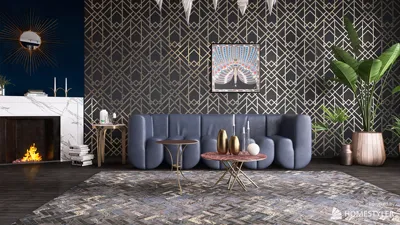


Throughout my experience designing narrow hall houses, I’ve identified a fundamental principle that leads to successful layouts: every square inch must serve a purpose, circulation paths should also function as destinations, and natural light should play a primary role. The aim is to orchestrate a compact home that conveys a sense of spaciousness rather than simply trying to fit more in. Recent projects have demonstrated that by balancing lighting, spatial flow, and thoughtful material choices, I can consistently cultivate an atmosphere of comfort and ease. Tools like Homestyler can help visualize these designs effectively.
In smaller spaces, both natural light and functionality are key to enhancing the perception of room size. The WELL v2 standard suggests that ambient lighting should fall between 300 to 500 lux for living areas, while task zones may require 500 to 1000 lux based on the activity levels. By implementing effective glare control and ensuring consistent color rendering, we can significantly mitigate visual fatigue. Steelcase's workplace research supports the idea that well-optimized lighting correlates with enhanced focus and mood in compact spaces, illustrating how these principles are perfectly applicable in residential designs for hall houses, including those envisioned through Homestyler.
Effective space planning is fundamental. In narrow spaces, typically ranging from 10 to 16 feet in width, I prioritize circulation spaces of 36 to 42 inches to ensure smooth movement, while preventing door swings from interrupting main pathways. Storage solutions must be incorporated architecturally; using built-ins that are 14 to 18 inches deep along longer walls with thoughtful interruptions for seating or artwork can guard against any monotony in corridors. For testing furniture arrangements and traffic flow before finalizing designs, I often utilize a room layout tool like Homestyler to avoid potential issues.
Design Principle 1: Utilizing Light as a Structural Element
In linear designs, it’s crucial to have strategic light sources that guide movement: from the entry point, through the mid-section, to the end of the space. I typically start with warm-white lighting between 2700 and 3000K for living areas, providing clarity by layering task lighting ranging from 3500 to 4000K in kitchens and workspaces. According to IES guidelines, task lighting in residential settings should aim for about 500 lux on surfaces; in elongated areas, a combination of wall grazers and ceiling cove lighting enhances vertical brightness, expanding the perceived space. Using dim-to-warm LEDs helps create a cozy ambiance for evening settings, while indirect lighting minimizes glare.
Design Principle 2: Creating Circulation Paths that Invite Presence
Hall houses can sometimes evoke a tunnel-like atmosphere if corridors are treated as mere transitions. I ensure that these passageways serve a dual purpose—incorporating deep niches, window seats, or display areas every 8 to 10 feet to break up the linearity. For ergonomics in compact homes, I recommend stair dimensions of 11-inch treads and 7 to 7.5-inch risers to maintain a comfortable flow. Adequate handrail returns at heights between 34 to 38 inches ensure safety and comfort for occupants of all ages. Minor adjustments, such as slightly widening a dining bay by 10 to 12 inches, can subtly enhance the overall layout.
Design Principle 3: Storage as a Design Element
Thickening walls can effectively reduce clutter without compromising floor space. I create slim storage modules between 15 and 17 inches deep, with varying heights, integrated charging facilities, and perforated backs for electronics ventilation. In kitchens aligned with hallways, 24-inch base cabinets alongside 12 to 15-inch upper cabinets help avoid a heavy look; utilizing open end panels and reeded glass can lighten the visual weight. When possible, ceiling-height cabinets set back by 9 to 12 inches allow for comfortable circulation with ample clearance, as demonstrated in designs created using Homestyler.
Design Principle 4: Thoughtful Use of Color and Material
Understanding color psychology is vital in smaller spaces. According to a review by Verywell Mind, blues and greens evoke calming feelings, whereas warmer shades can instill energy. My practice adheres to low-saturation color schemes with one accent hue per area (entry, living space, kitchen) to maintain coherence. Light matte finishes can push the visual boundaries outward, while materials like oak, ash, and limewash offer warmth without weighing down the design. High chromatic colors are reserved for specific focal points—such as stair risers or accent niches—to signal movement and engage without overwhelming the senses.
Design Principle 5: Promoting Acoustic Tranquility
In narrow homes, sound can easily become a disruptive presence. I implement layered acoustic strategies, including softer floor underlays, upholstered wall panels, and lined storage fronts to minimize noise where it matters most, like near dining areas. Employing door seals for bedrooms and staggered stud walls between shared spaces can greatly reduce sound transfer. In lengthy living areas, strategically placing soft furnishings mid-way can help interrupt sound propagation while enhancing communal spaces.
Design Principle 6: Scaling and Ratios for Furniture Design
Achieving the right scale is crucial. Sofas should be 32 to 36 inches deep with compact arms to preserve clearance; nesting tables and round dining options, typically around 30 to 34 inches in diameter, cater to four without obstructing movement. For elongated rooms, I aim for a rhythmic layout of 1:1.6—where functional focal points alternate with pauses to create an intuitive flow. Area rugs define distinct zones, leaving 18 to 24 inches around their edges to clearly establish boundaries.
Design Principle 7: Enhancing Views and Vertical Elements
When windows are limited, I recreate a view using strategically placed mirrors angled to capture natural light, clerestory windows above doors, and transoms to borrow illumination from adjacent rooms. Vertical design elements—such as slatted screens, taller bookcases, or vertically laid tile—draw the eye upwards, creating a more spacious feel. Skylights located over circulation paths transform the hallway into a luminous spine, adding light to the overall design.
Designing Efficient Compact Kitchens
In designs featuring a galley or single-wall kitchen, it’s crucial to maintain honest clearances: a 42-inch aisle for two users, or 36 inches for individual use; prep areas should cluster within a 6 to 8-foot working triangle or be arranged in a straight line (prep, cooking, cleaning). Induction cooktops reduce the bulk of ventilation ducts, while downdraft models maintain open sightlines. Installing under-cabinet lighting at 4000K with a high Color Rendering Index (CRI) ensures colors are represented accurately, and matte finishes on countertops minimize glare while enhancing the visual depth.
Entrances and Everyday Thresholds
Compact entrances merit thoughtful design. A bench that is 16 to 20 inches deep paired with storage beneath, double hooks positioned at 54 and 68 inches high, and a landing shelf can help streamline morning routines. I seldom recommend a full-height closet at the entrance; instead, combining half-height storage with a mirror opens the space, promoting light flow back into the hallway, an approach easily modeled with Homestyler.
Creating Bathroom Spaces: Emphasizing Light and Privacy
Even the most compact homes can accommodate generous bathrooms with meticulous attention to detail: utilizing pocket doors, wall-mounted toilets to save precious inches, and ensuring a 36-inch clear zone for turning. Backlit mirrors at 3000 to 3500K provide flattering and uniform vertical illumination, while dedicated task lighting at 4000K is ideal for activities such as shaving or applying makeup. Contrasts in texture—smooth tiles complemented by ribbed accents—can enhance the perception of scale without creating clutter.
Bedrooms Designed for Serenity
By placing storage at the foot of the bed, bulky side tables can be eliminated; relocating lighting to the ceiling or walls frees up floor space. I advocate for a 24 to 28 inch clearance along the edges of beds, and headboards should be positioned on solid walls to enhance acoustic comfort. If windows are situated to the side, consider shifting the bed frames slightly off-center to maintain balanced sight lines.
Stairs and Landings: Small Social Nooks
Landings provide opportunities for social interactions. Incorporating a 30 to 36 inch window seat or a slender console with a reading light can transform a corridor into an inviting space for relaxation. The social benefits of these small zones outweigh the minimal space they occupy in homes that rely on linear movement.
Emphasizing Sustainability in Compact Designs
Compact homes inherently reduce energy usage; this can be further enhanced through efficient envelope designs, high-efficacy LED lighting, and durable, easily repairable finishes. It’s advisable to select FSC-certified timber and low-VOC finishes; balancing local materials with a minimal color palette can significantly minimize waste.
Workflow: Transforming Ideas into Reality
I begin with quick hand sketches, progressing to a simulation tool, such as Homestyler, to refine sight lines, furniture scale, and lighting placements. This iterative process in both plan and section alleviates the risk of unexpected issues, particularly in narrow homes where decisions resonate throughout the entire design.
Frequently Asked Questions
Aim for 36 to 42 inches clear in main circulation spaces. If room is limited, consider adding alcoves or expanded bays every 8 to 10 feet for relief without lengthening the entire corridor.
Ambient lighting should ideally be around 300 to 500 lux, with task areas reaching between 500 and 1000 lux. Keep correlated color temperatures at 2700 to 3000K for living spaces and 3500 to 4000K for tasks to balance warmth with clarity in line with WELL v2 standards.
Incorporate vertical lighting (such as wall washing), develop destination niches, vary ceiling height or textures, and utilize rhythmic materials so corridors read as a series of experiences rather than a simple passageway.
Sofas should have a depth of 32 to 36 inches, while chairs with compact arms, nesting tables, and round dining tables at 30 to 34 inches promote fluid movement around edges.
Indeed, position mirrors to capture daylight rather than reflect direct light fixtures. Pair this with clerestory windows or transom lights to borrow illumination from adjoining spaces.
Employ 2700 to 3000K for ambient comfort and 3500 to 4000K for task-oriented lighting. Dim-to-warm LEDs offer smooth transitions into the evening while ensuring daytime color accuracy.
Utilize soft materials (such as carpets or upholstery), felt baffles, door seals, and staggered stud walls to diminish sound transmission. Position soft seating strategically to obstruct sound routes.
Keep built-in storage at a depth of 14 to 18 inches with occasional recesses. Light finishes, perforated backs to allow for ventilation, and integrated lighting can help minimize bulk.
Ensure aisles remain 36 to 42 inches wide, cluster prep stations within a 6 to 8-foot zone, and prefer induction or downdraft ventilation options to keep sightlines unobstructed. High-CRI under-cabinet lighting at 4000K enhances color accuracy.
Adopt low-saturation palettes with focused color accents. Use calming blues and greens for relaxation and warmer tones for vibrancy, strategically placed to achieve moments of interest instead of overwhelming sweeps.
Refer to WELL v2 Lighting and IES residential task lighting recommendations for lux level targets and glare management techniques.
Implement 11-inch treads and risers ranging from 7 to 7.5 inches, ensuring generous handrails and landing niches turn stairs into social spaces that are comfortable.



Looking to transform your space? Homestyler is your go-to online home design platform! With an easy-to-use design tool, stunning 3D renderings, a wealth of design projects, and engaging video tutorials, it empowers you to unleash your creativity and bring your dream home to life effortlessly!
Projete agora para LIVRE
































