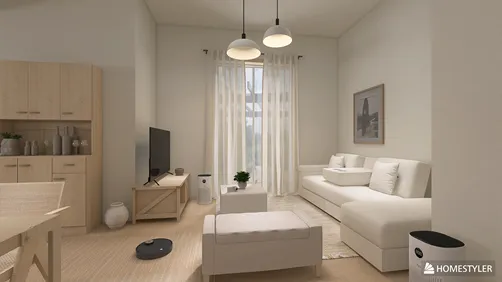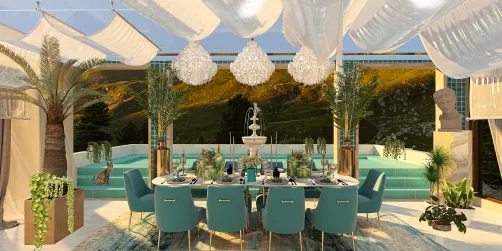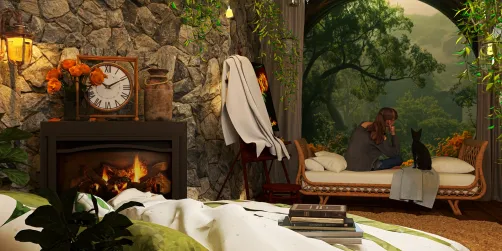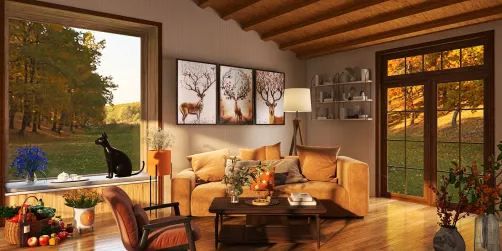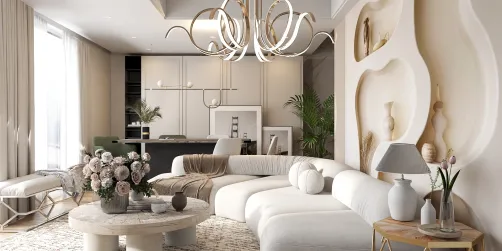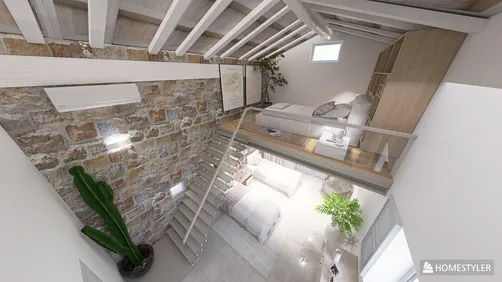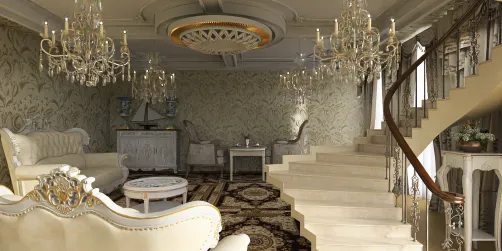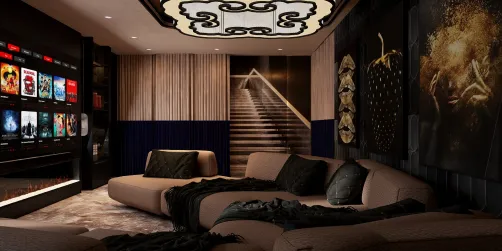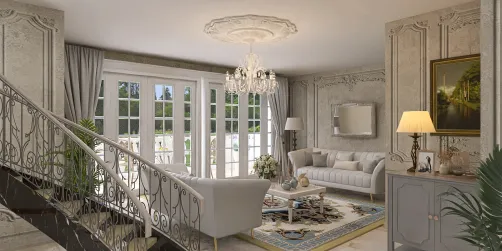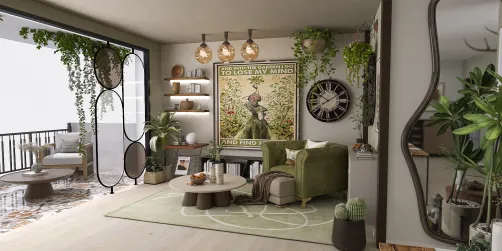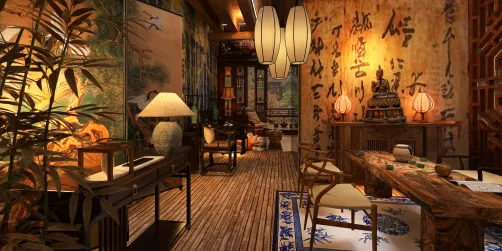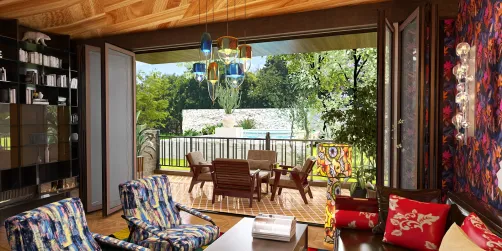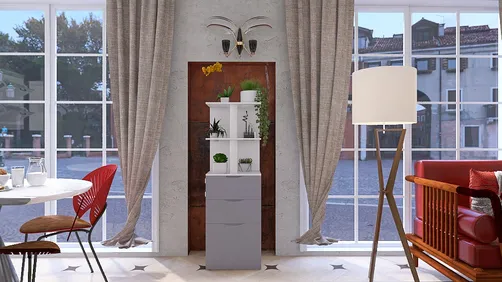
The burgeoning tech and residential landscape of Whitefield has made furnished rooms and studio rentals appealing to young professionals and students alike. I have assisted numerous tenants in transforming small spaces into efficient and aesthetically pleasing environments without violating lease agreements. In these compact rentals, maximizing space often hinges on the use of versatile furniture, strategic lighting, and storage solutions that are considerate of walls and flooring. According to WELL v2, achieving illumination of 300–500 lux at workspaces is essential for visual comfort, which can typically be accomplished with a desk lamp in conjunction with a high-CRI floor lamp within standard room sizes of 12 to 14 square meters. Additionally, research by Steelcase indicates that effective environmental conditions—encompassing light, sound, and posture—correlate with improved satisfaction and performance in small working environments; similarly, these concepts can be seamlessly applied to rented bedrooms and work areas using tools like Homestyler.
In Whitefield, many rental rooms are located along bustling streets or within inner courtyards, resulting in fluctuating noise levels and daylight exposure. The Illuminating Engineering Society recommends that task lighting should achieve a brightness of 300–500 lux, whereas ambient lighting should be softer to minimize glare and reduce eye strain. Cooler white light (ranging from 4000 to 5000 Kelvin) is known to enhance concentration, whereas warmer tones (around 2700 to 3000 Kelvin) encourage relaxation—making them perfect for transitioning between day and night in a single room. With a thoughtful arrangement of lamps and layered window treatments consisting of blackout shades paired with sheer coverings, you can easily control the lighting and ambiance throughout the day without needing to modify electrical installations or drill holes.
Flexibility in Room Design
Begin with a carefully measured floor plan. In most rental properties across Whitefield, beds typically occupy about 30–40% of the total floor area. Positioning the bed to create a rectangular working area and unobstructed flow is most effective, facilitating a clear pathway from the entrance to the window. If you're trying out new layouts prior to moving furniture, a simple room layout tool can significantly reduce both time and physical strain.
room layout tool
Implementing Layered Lighting in Rentals
I propose a 'three-layered' lighting scheme: ambient, task, and accent lighting. With a dimmable floor lamp providing ambient light, a desk lamp boasting a high CRI for task use, and a small wall-wash or clamp light for accentuation, these can effectively meet IES lighting targets without the need for hardwired installations. Keeping the task lighting around 4000K is ideal for productivity, while employing a 2700K bulb for the floor lamp aids in evening relaxation. It's crucial to manage glare—position lamps slightly off-center from screens and opt for matte shades on bright fixtures to prevent harsh reflections when using laptops.
Ergonomic Workstation Solutions in Limited Space
Even if your rental leans towards being bedroom-centric, it's important to carve out a functional ergonomic workstation. The ideal chair height should allow for knees to achieve a 90-degree angle, and the monitor should be adjusted so that the top of the screen aligns with eye level. A compact desk measuring between 90 and 110 centimeters in width, combined with a slim storage pedestal, can effectively provide storage without overwhelming the space. Avoid cluttering the floor with cables by employing adhesive mounts, which are renter-friendly and can be removed easily. Improved posture and low-glare surfaces contribute to reducing fatigue and enhancing focus, reinforcing findings from workplace research regarding comfort and performance.
Utilizing Color Psychology in Design
When it's not feasible to paint the walls, leveraging textiles can influence the mood of the room. According to Verywell Mind, blues and greens often convey calmness and stability, while touches of yellow can be invigorating when used sparingly. A soft blue duvet, accents of green plants, and a neutral-toned rug can create a harmonious color palette. To visually divide spaces, select one vibrant color (such as mustard or teal) for pillows or artwork at the workspace, while keeping the sleeping area adorned with subtler textures to maintain a cohesive, uncluttered look.
Lease-Respecting Storage Solutions
Focus on vertical and under-bed storage solutions that avoid any drilling. A tall shelving unit featuring adjustable shelves is perfect for accommodating books, storage bins, and printers while keeping the floor space clear. Using soft-close bins can help minimize noise. Under-bed storage bins or zip bags are excellent for stowing away seasonal attire. In the diminutive rooms of Whitefield, I typically aim for a 60/40 ratio of open to closed storage—keeping commonly used items visible and accessible while concealing the rest to maintain a clean aesthetic.
Enhancing Acoustic Comfort on a Budget
Street noise from primary roads can penetrate rental apartments. Mitigating this sound can be achieved by layering soft materials—a thick rug, an upholstered headboard, and lined curtains can all help dampen ambient sound. Book spines and fabric containers positioned on shelves provide passive sound absorption. If you share walls, positioning the wardrobe or bookshelf against the noisiest side can help add density and reduce disturbances. It’s advisable to keep reflective surfaces (like glass or metal) away from the workspace to minimize the fatigue caused by sharp reflections during phone calls.
Furniture Solutions for Micro-Living
Select multifunctional furniture. A storage bed can replace a traditional chest of drawers; nesting tables can serve as both a nightstand and a laptop surface, while a folding chair can be easily stowed away for guests. Should the landlord permit it, consider swapping out a headboard for a slim wall-mounted option to recover 8 to 10 centimeters of floor space. In studio apartments, incorporating a compact foldable screen or a curtain track can provide privacy without necessitating permanent renovations.
Managing Daylight, Privacy, and Temperature
The strong sunlight in Whitefield can be quite intense during late mornings. A dual-layer window treatment combining sheer and blackout curtains can be effective for glare control and privacy. Sheer materials that allow for 10 to 15% openness can mitigate contrast while still allowing daylight to filter through. Be cautious with reflective metallic blinds near screens, as they may create flickering or unwanted bright streaks.
Choosing Sustainable and Functional Materials
Opt for lightweight and robust materials: think powder-coated steel frames, FSC-certified plywood, and washable cotton-linen blends. These choices ensure durability through tenant transitions. A low-VOC rug pad and removable command hooks can improve functionality without compromising the property. If investing in new items, consider selecting modular elements that can easily be adjusted for your next rental.
Efficient Layout Guide for a 12–14 m² Room
- Position the bed against the longest wall, with the head at the quieter end.
- Place the desk perpendicular to the window to circumvent monitor glare while benefiting from side lighting.
- Situate a tall shelf near the desk to reduce sound and keep necessities within reach.
- Position a floor lamp behind and slightly to the side of the seating area to provide soft ambient lighting.
- Use a rug beneath the bed that extends into the desk area to visually connect the spaces and absorb noise.
- Test your layout using a portable simulation tool to avoid purchasing bulky items.
Budget-Friendly Strategies for Renters
Focus on the essentials: invest in one quality chair, one good lamp, and one durable rug. These three elements significantly influence posture, lighting quality, and sound absorption, often more than decorative items. Consider sourcing a solid wood desk from a thrift store, upgrading it with new knobs; introduce a task lamp featuring a high-CRI bulb; and choose a rug dense enough to muffle footfalls. Small, reversible changes can create a substantial impact on your living environment.
Frequently Asked Questions
Q1: How much light is ideal for a study desk in a rental?
For comfort during reading and screen work, a brightness range of approximately 300–500 lux is generally advised by lighting standards. This can be achieved with a well-placed desk lamp along with an ambient floor lamp, both of which should ideally be adjustable to combat eye fatigue.
Q2: What color temperature works best throughout the day?
Opt for around 4000K during working hours for focus, while utilizing 2700–3000K for cozy evening settings. This combination aids in maintaining alertness by day and fosters a conducive environment for relaxation at night.
Q3: How can I minimize glare on my laptop?
Set the desk perpendicular to the window, angle task lighting to about 30–45° relative to the screen, and favor matte finishes for lampshades. Adding sheer curtains can also help reduce contrasts while preserving daylight.
Q4: How can I maximize storage without drilling?
Absolutely—utilize tall freestanding shelves, under-bed drawers, mobile carts, and adhesive hooks to organize your space while abiding by lease agreements. Always keep heavier items stored at the bottom for stability.
Q5: What's an effective way to diminish noise levels?
Layering elements such as rugs, curtains, and an upholstered headboard can significantly reduce sounds. Place a wardrobe against shared walls and avoid large surfaces made of glass near your workspace to reduce everyday noise interference.
Q6: How can I create a distinct zone for sleep and work in a single room?
Utilize varied lighting cues (warmer ambient lighting near the bed, neutral task lighting at the desk), establish boundaries with rugs, and consider a minor reorientation of furniture to create separate pathways. Adding a folding screen or curtain track can provide additional privacy when desired.
Q7: What three items will greatly enhance comfort?
A supportive chair with adjustable height, a high-CRI task lamp, and a plush rug are vital. Each significantly influences posture, visual comfort, and acoustic quality.
Q8: Are bright colors ill-suited for small spaces?
Not necessarily—limit bold colors to small accents on the workspace side (like pillows or art), keeping the sleep area in more muted tones. Shades of blue and green are known to promote tranquility, while yellows and teals can add energy if used judiciously.
Q9: How do I effectively plan my room layout prior to moving furniture?
Take measurements of walls and significant furniture pieces, draft alternative layouts, and experiment with a design visualization tool. This approach minimizes guesswork and highlights potential traffic issues.
Q10: What is an appropriate desk size for compact rentals?
Opt for dimensions of roughly 90–110 cm in width and around 50–60 cm in depth. This size fits comfortably in most rooms while providing adequate space for a laptop, lamp, and small organizer, keeping legroom clear.

Discover the transformative power of Homestyler, an exceptional online home design platform. With its intuitive design tool, stunning 3D renderings, numerous design projects, and helpful video tutorials, you can effortlessly create and visualize your dream spaces, no matter your experience level. Get inspired today!