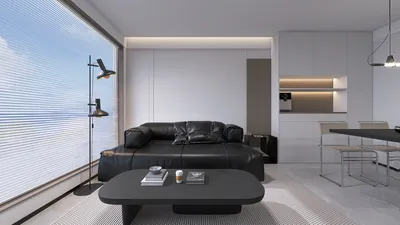


Indeed, numerous air conditioning units are capable of providing warmth in winter, particularly if they function as heat pumps or are split systems equipped with a heating option. A heat pump effectively transfers heat from the external environment into the interior spaces, even under colder conditions, rather than generating heat through fuel combustion. This principle of physics enables them to operate with remarkable efficiency. As noted in the WELL Building Standard v2, heat pumps generally yield 2–4 times more heating energy compared to the electricity they use (known as Coefficient of Performance, or COP, typically ranging between 2.0–4.0), particularly in moderate climates. Furthermore, studies conducted by Gensler reveal a direct correlation between thermal comfort and workplace productivity: improved comfort can enhance task efficiency by as much as 10% in office settings, highlighting the importance of proper winter settings.
The performance of these systems, however, is influenced by temperature variations. Research from Steelcase has identified temperature as a key factor affecting workplace comfort, recommending a winter temperature range of approximately 20–23°C (68–73°F). The WELL v2 thermal comfort feature also references ASHRAE 55 adaptive comfort guidelines for optimal humidity and temperature settings. Most standard heat pumps maintain effective output until the temperature drops to about −5 to 0°C (23–32°F), while many models designed for cold climates can sustain performance down to −15 to −25°C (5 to −13°F). For areas experiencing colder winters, a hybrid configuration (combination of a heat pump and additional heating source) is a more reliable option.
Understanding How Heat Pump AC Heats a Space
When operating in heating mode, the outdoor unit's coil serves as an evaporator, extracting ambient heat from the outside air. The refrigerant is subsequently compressed, raising its temperature before it releases heat inside the building. Modern inverter-driven systems regulate their output to adapt to varying load conditions, which helps to smooth out temperature fluctuations while minimizing noise disturbances. Based on my projects, the most significant improvement in comfort arises from maintaining stable supply temperatures (between 35–50°C / 95–122°F at the indoor coil, typical for many mini-split systems) and ensuring efficient air distribution to prevent drafts.
Optimal Conditions for Heating with AC in Winter
- Climate: Ideal conditions exist in regions with mild to moderately cold weather. Advanced cold-climate heat pumps can effectively broaden this range.
- Building insulation: The quality of insulation and air sealing has a more profound influence on heating requirements than most homeowners anticipate. Enhancing the building envelope can often reduce the needed heating capacity by 20–40%.
- Proper sizing: Appropriately sized systems deliver longer, quieter operational cycles and maintain a higher COP compared to oversized units, which tend to short-cycle.
- Set temperature: During winter, aim to keep temperatures in the 20–22°C (68–72°F) range with a relative humidity of 30–50% to conform to the thermal comfort guidelines of WELL v2.
Airflow, Space Design, and Control of Drafts
Achieving comfort goes beyond temperature control; it's also about how warm air circulates within a space. Position indoor units strategically to direct warm air across exterior walls or windows to counteract downdrafts. Maintain a clearance of 200–300 mm (8–12 in) above wall-mounted units to avoid air recirculation. In open-plan areas, adjust diffuser angles and fan speeds to achieve a balanced airflow while preventing turbulence at seating height. To explore various furniture arrangements or zoning options, consider utilizing a room layout tool like Homestyler to visualize air movement and seating configurations.
Understanding Energy Efficiency Metrics
Focus on HSPF (or HSPF2) and SEER (or SEER2) ratings. A higher rating indicates improved seasonal performance. A typical modern mini-split system might achieve HSPF2 values of 8–9 in mixed climates, while premium units for cold climates perform even better. The WELL v2 standard emphasizes the importance of demand-controlled operation and proper setup to maintain efficiency over time. In practice, I've observed a reduction in winter energy bills by 15–25% when clients implement mild temperature setbacks (1–2°C during the night) and keep filters clean.
Exploring Thermal Comfort Beyond Thermostat Settings
- Radiant effects: Large windows may contribute to a chilly feel; this can be compensated with warm air distribution or insulated drapes.
- Air velocity: To prevent discomfort from drafts during winter, ensure that air speed at seated height remains below approximately 0.15–0.2 m/s; this measurement aligns with comfort standards in WELL v2 and industry norms.
- Zoning: Bedrooms typically require lower night temperatures; living areas may benefit from a quicker warming process in the morning. Utilizing multi-split zoning can help save energy and minimize temperature disagreements.
Addressing Humidity, Indoor Air Quality, and Health Concerns
The air during winter is often dry. Aim to maintain relative humidity within the 30–50% range to alleviate issues like dry skin and static electricity without promoting mold growth. Many ductless systems do not add humidity; thus, pairing with a dedicated humidifier is advisable if humidity levels drop below 30%. Implementing balanced ventilation with adequate filtration is essential for maintaining good indoor air quality. The WELL v2 standard advocates for filtration systems equivalent to MERV 13 or better in most settings; additionally, using a portable HEPA filter in high-traffic areas can enhance the perceived freshness of the air during winter when windows are typically kept closed.
Managing Noise and Acoustic Considerations
Inverter compressors and larger, more gradual indoor fans help keep heating systems quieter. For smaller bedrooms, aim for indoor unit noise levels below 24–30 dB(A) during nighttime settings. Also, incorporate soft furnishings—such as rugs, curtains, and acoustic panels—to absorb fan noise and create a more tranquil sound environment.
Evaluating Materials, Sustainability, and Refrigerants
Heat pumps are beneficial for carbon reduction: transferring heat is inherently low-emission when paired with clean energy sources or on-site renewable energy. Choose units that utilize low-GWP refrigerants wherever possible, and plan for responsible end-of-life recovery. Durable, repairable equipment equipped with washable filters minimizes waste and supports consistent performance.
Reliable Control Strategies for Winter Season
- Gradual temperature reductions: A drop of 1–2°C overnight, along with preheating before occupancy.
- Automatic fan setting with a restricted maximum speed in smaller rooms to minimize drafts.
- Awareness of scheduled defrost activities: In extremely cold and humid conditions, outdoor units may require defrosting; brief moments of cool airflow are normal. Proper sizing and building envelope improvements can help mitigate their effects.
- Whenever possible, leave doors open between different zones to distribute load effectively and balance temperatures.
When to Consider Adding a Supplemental Heater
If you reside in an area with prolonged cold temperatures below −15°C (5°F) or if your building has inadequate insulation, you might need a supplemental heating source such as electric baseboards, radiant panels, or hydronic systems. Use the heat pump as the main heating solution within its efficient operating range, and let the backup system handle peak demands. This hybrid strategy ensures comfort while maximizing efficiency during most winter days.
Influencing Mood with Color and Light in Winter
The color temperature and scheme are significant when natural light is limited. Employing warm-white lighting (2700–3000K) combined with soft, mid-tone finishes can create a cozier atmosphere and make it easier to feel comfortable at lower temperature settings. According to research on color psychology summarized by Verywell Mind, warm tones tend to be more inviting and can subtly impact comfort levels without adjusting the thermostat.
Essential Maintenance for Optimizing Winter Performance
- Clean or change indoor filters every 1–3 months to ensure optimal airflow.
- Keep outdoor coils free from snow, leaves, and ice; ensure a clearance of 30–60 cm.
- Inspect drainage systems for condensate and defrosting to ensure meltwater does not freeze again.
- Schedule a professional assessment of refrigerant levels and sensors before the heating season; a slight undercharge can significantly hinder efficiency.
Frequently Encountered Mistakes
- Installing indoor units too high beneath deep soffits, which can lead to short-cycling and create uncomfortable temperature gradients between the ceiling and floor.
- Over-sizing units by more than 30%, which can severely impact efficiency and comfort levels.
- Obstructing outdoor airflow in winter with covers or tightly enclosed latticework.
- Disregarding humidity levels; a compact console humidifier can greatly enhance winter comfort.
A Quick Start Guide for Achieving a Cozy and Efficient Winter Environment
- Set temperature between 20–22°C, with humidity at 35–45%.
- Utilize warm-white lighting and layered window treatments to mitigate radiant chill.
- Employ a gentle fan curve; direct air louvers slightly downward and across the room.
- Ensure door undercuts or adequate return pathways are present to avoid pressure imbalances.
- Experiment with layout scenarios to minimize drafts in seating areas using a room layout tool such as Homestyler.
Resources for Further Information
For more in-depth insights on thermal comfort and workplace strategies, check the research published by the Gensler Research Institute (gensler.com/research) and the WELL Building Standard v2 (v2.wellcertified.com). These sources offer data-driven advice on temperature settings, humidity levels, and user comfort patterns applicable to both residential and commercial spaces.
Frequently Asked Questions
No. Only systems that have a dedicated heating function—usually heat pumps or reverse-cycle split systems—offer heating. Standard cooling-only systems are unable to provide warmth.
Most traditional models function adequately at temperatures ranging from about −5 to 0°C (23–32°F). Cold-climate units can perform efficiently down to −15 to −25°C (5 to −13°F), although their capacity may decrease as temperatures drop.
Typically, yes. A heat pump with a COP of 2–3 can deliver 2–3 units of heat for every unit of electricity consumed, whereas a conventional space heater only provides a 1:1 ratio.
Aim for a temperature setting of 20–22°C (68–72°F) with a relative humidity of 30–50%, consistent with the comfort guidelines cited in WELL v2 and research benchmarks related to workplace comfort.
Heat pumps do not add moisture; indoor air often becomes dry during winter due to the cold outdoor air. If necessary, utilize a humidifier to maintain humidity levels around 30–50%.
Use lower fan speeds, angle the louvers slightly downward and across the room, and place seating away from direct airflow areas. Ensure unobstructed return paths to prevent concentrated air flows through doorways.
In climates that frequently drop below −15°C (5°F) or in buildings with insufficient insulation, a supplemental heating source may be necessary to maintain comfort during cold periods.
Regularly clean filters every 1–3 months, clear debris from the outdoor unit, and arrange for a professional inspection before the heating season to check refrigerant charges, sensors, and defrost functions.
Open floor plans can help share heat, but isolated rooms may require their own units or ducted systems. Keep interior doors open where possible to equalize temperatures if zoning capabilities are limited.
Using warm-white lighting at 2700–3000K, along with layered ambient and task lighting, can enhance the perception of warmth and comfort without raising the temperature settings.
Yes. Avoid obstructing airflow from indoor units. Position furniture to avoid direct blasts of air and use a room design visualization tool like Homestyler to find the best arrangements for optimal comfort and airflow.
Yes, if properly sized and set to operate in quiet or night mode. Aim for noise levels below 24–30 dB(A) indoors and try to prevent drastic temperature fluctuations overnight.
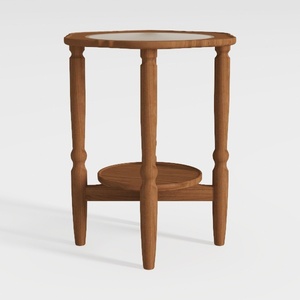

HOOBRO Small Round Side Table with Charging
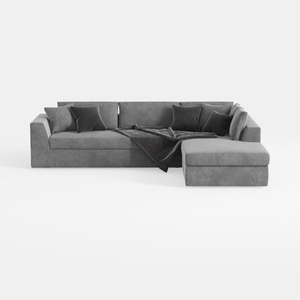
MAKLAINE Contemporary Gray Velvet Down Filled
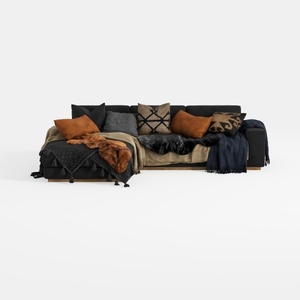
Txtin's U Shaped Sectional Couches for Living Room
Homestyler is the ideal platform for anyone looking to elevate their home design game. With its user-friendly online design tool, stunning 3D renderings, and a wealth of DIY video tutorials, you can effortlessly create and visualize your dream space. Unleash your creativity today!
Projete agora para LIVRE
































