

Direct Answer
Current trends in modern residential facades emphasize clean geometric shapes, a blend of natural materials, eco-friendly construction methods, and straightforward architectural lines. Today's home designs prioritize energy efficiency, dimensionality, and harmonious proportions instead of intricate ornamentation. Increasingly, architects integrate minimalism, cutting-edge technology, and climate-adaptive materials to shape enduring and progressive exteriors.
Quick Takeaways
Introduction
Having worked on residential designs for over ten years, I've observed that trends in modern house facades evolve gradually. Architects adapt to shifts in lifestyle, environmental concerns, and construction innovations rather than abrupt changes.
Modern homeowners desire more than just a "contemporary appearance." They seek a facade that appears thoughtfully designed, purposeful, and resilient. Striking a balance between simplicity and character is key: overly minimal exteriors often feel incomplete, whereas excessively ornamental ones age poorly.
Many clients I advise find it challenging to picture how different materials, window placements, and volumes interact. This is why early visualization tools, like those in Homestyler, are invaluable. These tools enable homeowners to better understand how facade proportions correspond with interior configurations during planning stages.
This piece delves into the architectural rationale behind current modern residential facade trends, covering preferred materials, regional influences, and innovations that are redefining contemporary home exteriors.
save pin
Current Trends in Modern Residential Facade Design
Key Insight: The most compelling modern house facade trends emphasize simplicity paired with deliberate contrast.
In practice, design success usually hinges on three layers: shape, material contrast, and spatial depth. Instead of flat walls, facades are crafted with recessed elements, window framing, and multi-dimensional materials.
Across projects I’ve reviewed in regions like California, Texas, and parts of Europe, several recurring themes emerge.
The American Institute of Architects highlights increasing homeowner demand for open interiors and ample natural light. This preference directly impacts facade design, as window placement and structural spans define the building’s external character.
Put simply, modern facades are shaped from the inside out.
Popular Materials Used by Architects Today
Key Insight: Contemporary facades rarely depend on a single material exclusively.
A common misconception is that modern design equals "all white" or solely concrete. Actually, the most attractive facades mix textures and finishes thoughtfully.
Architects now often blend materials such as wood, fiber cement, stone veneers, architectural concrete, and aluminum framing.
Layering materials helps prevent monotony. Uniform material choices can flatten the facade, sacrificing depth and architectural hierarchy.
Visualization platforms like Homestyler enable designers and homeowners to experiment with material combinations before construction, improving design confidence.
save pin
Minimalist Architecture and Its Influence on House Fronts
Key Insight: Minimalism in residential facades centers on harmonious proportions rather than emptiness.
Minimalist design heavily influences modern house facades but is often misunderstood. Genuine minimalism balances proportions, light, and structural clarity instead of merely eliminating decorative elements.
Well-executed minimalist facades adhere to principles of balance and precision.
Japanese and Scandinavian architectural traditions have deeply informed this approach, prioritizing serene and enduring exterior aesthetics.
The challenge lies in detail precision—any misalignment in windows or inconsistent materials interrupts the cohesive design.
save pin
Sustainable and Eco Friendly Facade Materials
Key Insight: Sustainability is rapidly becoming a central factor in modern facade design.
Increasingly, homeowners inquire about energy performance, carbon footprint, and durability when selecting exterior materials.
Several eco-conscious solutions are gaining ground within facade construction.
Research by the International Energy Agency highlights that buildings consume about 30% of global energy, prompting architects to treat facades as dynamic performance systems rather than just surface decoration.
Contemporary facades often incorporate shading devices, deeper window recesses, and ventilated layers to minimize heat gains without compromising sleek aesthetics.
Regional Trends in Modern Home Exteriors
Key Insight: Climate and cultural context continue to shape facade design far more than social media trends.
Though online platforms portray modern homes as universally styled, significant regional differences persist.
Examples include adaptations to local solar angles, precipitation patterns, wind, and cultural preferences.
These variations occur because facade design must respond to environmental factors and social norms.
save pin
Future Directions in Residential Facade Architecture
Key Insight: Upcoming modern facade designs will blend technology, sustainability, and versatile materials.
Emerging trends beginning to influence residential facade architecture include smart materials, energy-efficient components, and adaptive surfaces.
In consultations with builders, I find that designing floor plans and facades concurrently—utilizing an integrated planning approach like with Homestyler—results in more coherent, unified architecture.
Answer Box
Modern facade trends emphasize simplicity, contrasting materials, ecological awareness, and strong architectural balance. Combining minimalism with layered textures allows homes to respond effectively to climate, technology, and contemporary living styles.
Final Summary
FAQ
What are the leading modern house facade trends today?
Geometric clarity, mixed materials, expansive windows, and minimalist detailing define the current facade styles.
Which materials are most favored for modern house exteriors?
Commonly used materials include wood siding, fiber cement panels, stone veneers, architectural concrete, and aluminum-framed windows.
Are contemporary facades costly to build?
Costs vary mainly by material choice and structural complexity rather than style; minimalist designs can sometimes reduce finishing expenses.
Do modern house facade trends change rapidly?
Typically no; architectural styles evolve more slowly compared to interior trends since buildings represent long-term investments.
How crucial are windows in defining modern home exteriors?
Windows play a vital role; their size, alignment, and framing significantly impact facade aesthetics.
Is it possible for small homes to have modern facades?
Absolutely. Thoughtful proportions, vertical window elements, and clean material choices can achieve a modern appearance even on compact structures.
Are sustainable materials integrated within modern facade designs?
Yes, energy efficiency and environmentally responsible materials are now core to modern facade design.
What common errors do homeowners make with modern facades?
Relying on a single exterior material is a common mistake; blending textures usually adds necessary depth and visual interest.
References
Reports from the American Institute of Architects on Housing Market Trends
Analysis from the International Energy Agency on the Building Sector
Trend Reports from Dezeen Architecture Magazine
What began as an Autodesk innovation has evolved into a design platform used by more than 18 million people around the globe. Homestyler combines powerful rendering, an intuitive editor, and a vast furniture library to help you turn inspiration into photorealistic designs — whether you're redesigning a single room or planning an entire home.
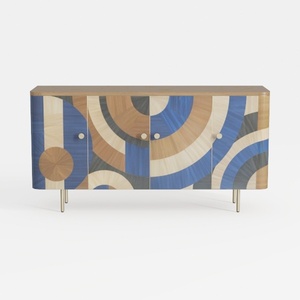
Art Deco Geometric Pattern Solid Wood Sideboard with Metal Legs 3D Model
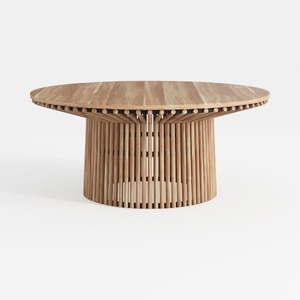

Merax Outdoor Dining Table 47.25" Round Extra
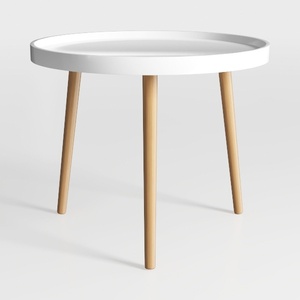
Minimalist Modern Oak White Round Side Table 3D Model
Homestyler is a user-friendly online home design platform offering powerful 3D rendering tools, a vast collection of design projects, and helpful DIY video tutorials. It makes creating and visualizing your dream interior easy and inspiring for everyone.
Projete agora para LIVRE
































