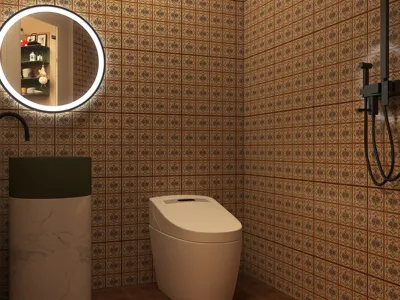


Direct Answer
The distinction between modern and traditional home decor largely lies in layout principles, material choices, and visual intricacy. Modern decor emphasizes clean lines, minimal ornamentation, and open spaces, whereas traditional design highlights layered textures, symmetry, and classic architectural flourishes. Deciding which suits your home depends on the building’s structure, maintenance willingness, and daily lifestyle.
Quick Takeaways
Introduction
When clients inquire about modern versus traditional home decor, the core issue often extends beyond mere aesthetics to lifestyle compatibility. After over ten years in residential interior design, I've observed many homeowners attracted to an online style only to find it doesn't align with their home's real functionality.
Certain houses inherently lend themselves to traditional details like crown molding, framed doorways, and segmented rooms. Others thrive with the openness and clarity of modern layouts. Prior to selecting a style, it's beneficial to consider how design choices influence floor plan, materials, and everyday comfort.
For those still exploring spatial configurations, many homeowners begin by experimenting with 3D room visualization tools. Visualizing furniture size and circulation paths reveals which style feels more organic.
In this guide, I will explain how modern and traditional home decor differ in practical projects—from layout development to budgeting—and where designers thoughtfully blend the two styles, often using platforms like Homestyler for spatial planning.
What Defines Modern Home Decor
Key Insight: Modern home decor is characterized more by spatial clarity and minimal visual distraction than by specific furniture styles.
In real-world applications, modern interiors focus on minimizing visual clutter, featuring fewer decorative items, sleek furniture silhouettes, and an emphasis on fluid movement throughout the space.
From projects in Los Angeles and San Diego, modern homes typically prioritize these design aspects:
According to surveys by the American Institute of Architects, open floor plans and restrained material palettes remain top requests in contemporary home design.
An important but often overlooked point is that modern interiors demand precise spatial discipline. With fewer decorative elements, proportions and furniture scale must be spot on—otherwise, the space risks feeling bare instead of elegant.
Key Traits of Traditional Home Design
Key Insight: Traditional interiors emphasize layered comfort and rich visual detail over minimalism.
Rooted in classical European architecture, traditional design values symmetry and elaborate ornamentation. Instead of stripping down elements, it seeks warmth through texture layering.
Common features include:
In renovation work, traditional design often entails restoring defining architectural details. Without these structural elements, traditional decor tends to feel unnatural or forced.
Therefore, I usually suggest assessing architectural compatibility first. For homes that are fundamentally modern or minimalist, imposing traditional decor rarely succeeds.
Visual Variances in Layout, Color, and Materials
Key Insight: The clearest differences emerge in openness of layout, color moderation, and material use.
Design professionals compare styles by examining spatial planning, color palettes, and surface textures.
These decisions shape both the visual appeal and the emotional ambiance. Modern spaces typically convey calmness and spaciousness, while traditional rooms feel cozy and grounded.
Experimenting with AI-powered interior layout visualization—tools like Homestyler can be particularly helpful—allows users to compare how various decor styles transform the same space.
Which Style Suits Different Home Sizes?
Key Insight: Smaller homes usually benefit from modern decor, while spacious houses can handle the depth of traditional layering.
Scale is more influential than many anticipate.
In compact spaces, bulky traditional furnishings and intricate ornamentation can make rooms feel cramped. Modern design, with its light colors and open plans, often makes small areas appear larger.
Designers' typical approach to size considerations includes:
Another key factor is ease of movement. Modern layouts permit clearer pathways, crucial in small homes where optimizing every square foot matters.
Budgeting for Each Design Approach
Key Insight: Traditional interiors often require larger budgets due to detailed craftsmanship and complex materials.
A common hidden expense is decorative detailing—elements like crown moldings, hand-carved furniture, and custom woodwork add substantial labor costs.
Typical budget distinctions include:
Modern interiors tend to reduce costs via simpler shapes and mass-produced furniture, although luxury materials such as stone slabs or expansive glass can raise expenses.
Answer Box
The essential difference between modern and traditional home decor lies in spatial openness, decorative complexity, and material selection. Modern interiors favor simplified forms and plans, whereas traditional homes cultivate warmth through layered textures, symmetry, and architectural elements.
Combining Modern and Traditional Elements
Key Insight: The most appealing designs today combine architectural heritage with modern furniture simplicity.
Purely modern or traditional interiors are rarities. Numerous magazine-featured homes employ what is known as "transitional balance."
Effective techniques include:
If you are planning renovations or new layouts, starting with detailed floor plans via software like Homestyler helps ensure your furniture and decor choices cohere with your spatial needs.
Final Summary
FAQ
What distinguishes modern from traditional home decor?
Modern design focuses on minimalism and open spaces, whereas traditional decor emphasizes ornamentation, balance, and timeless materials.
Which is better for small homes?
Modern decor generally suits smaller homes because its open layouts and lighter color schemes make spaces feel bigger.
Can modern and traditional styles be blended?
Certainly. Many designers blend classic architectural features with modern furnishings to achieve harmonious transitional interiors.
Is modern decor less expensive than traditional?
Often true. Modern interiors need fewer decorative components and less bespoke craftsmanship.
Is traditional decor outdated?
No. Traditional styles evolve yet remain favored due to their emphasis on comfort, craftsmanship, and heritage.
What colors dominate modern interiors?
Neutral shades like white, gray, beige, and black prevail, often showcased alongside natural materials.
Which furniture suits traditional interiors best?
Padded sofas, intricately carved wood tables, and symmetrical arrangements typify traditional rooms.
Is the modern versus traditional decor debate only about furniture?
No. It also involves spatial design, architectural details, materials, lighting plans, and circulation flow.
References
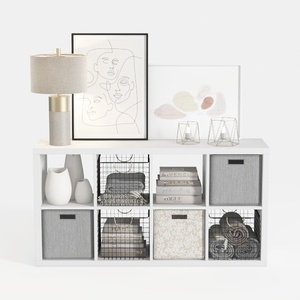
Modern Minimalist White Fabric Solid Wood Storage Cabinet 3D Model

Minimalist Fabric U Shaped Sectional Sofa 3D Model
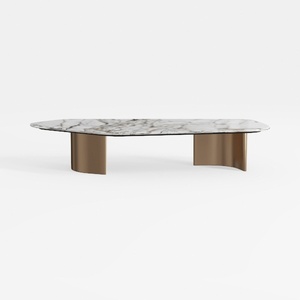
Modern Marble Top Brass Base Coffee Table 3D Model
Homestyler offers an easy-to-use online home design tool with stunning 3D renderings, a vast collection of design projects, and helpful video tutorials. It’s perfect for anyone looking to create and visualize stylish interiors effortlessly. Try it to bring your dream space to life!
Projete agora para LIVRE
































