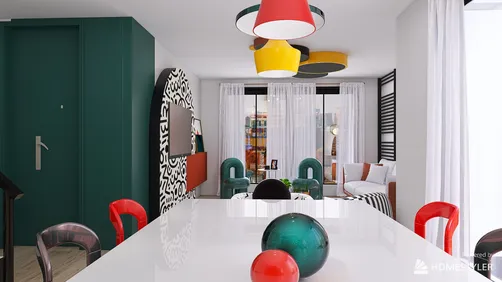
Choosing the right paint for your bathroom is crucial, particularly when it comes to moisture resistance. Bathrooms can experience significant humidity from daily showers and baths, which may lead to peeling paint and mold if an unsuitable product is applied. This is where moisture-resistant paint comes in, designed specifically to endure these high-humidity conditions, making it an excellent option for this often-neglected area of the home. One of the standout features of moisture-resistant paint is its ability to repel water effectively. This not only prevents peeling or blistering but also helps thwart the growth of dangerous mold and mildew, which can pose health risks. When you're in the market for moisture-resistant paint, look for labels indicating 'bathroom paint' or products specifically crafted for humid environments. These generally include mildewcides to combat mold growth. Another key consideration is the finish of your chosen paint. For bathrooms, semi-gloss or satin finishes are frequently suggested since they deliver a robust surface that is easy to clean. Such finishes also reflect light, enhancing the brightness and perceived space of your bathroom. Additionally, the color scheme you opt for plays a significant role; lighter hues can create an illusion of a larger space, while deeper tones offer a cozy and inviting ambiance. It's crucial to prepare your bathroom before painting. This includes cleaning the walls to eliminate any dust, grease, or residual mold. Furthermore, ensuring that any cracks or peeling sections are repaired will create an ideal surface for your new paint job. Utilizing a primer tailored for bathrooms can further improve the moisture resistance and durability of the paint. With your paint selected and the area prepped, you can begin painting. It's advisable to apply multiple thin coats instead of one thick application, allowing sufficient drying time between each layer. This method not only assures a more even finish but also boosts the paint's moisture resistance. Post-painting, ensuring proper ventilation is vital. Adequate air circulation in bathrooms helps reduce humidity levels, achievable through exhaust fans and, when possible, keeping windows open. Even with moisture-resistant paint, enhancing ventilation can significantly prolong the lifespan of your paint work. In conclusion, opting for moisture-resistant paint in your bathroom is essential for creating a fresh and hygienic environment. By carefully selecting the product, adequately prepping your surfaces, applying the paint effectively, and ensuring proper airflow, you can maintain a stunning bathroom that withstands the trials of humidity. With a thoughtful approach, your bathroom can remain a serene retreat in your home, free from concerns of mold and peeling paint. Investing in high-quality moisture-resistant paint not only elevates the aesthetic of your bathroom but also fosters a healthier living space, making tools like Homestyler great for visualizing your design ideas.
Tip 1:
Consider incorporating a dehumidifier in your bathroom to further regulate moisture levels and enhance the durability of your paint job.
FAQs
What is moisture-resistant paint? It is a specialized formulation created to withstand elevated humidity levels and inhibit mold and mildew growth. Is moisture-resistant paint necessary in bathrooms? Yes, it's advisable to use moisture-resistant paint in bathrooms to safeguard against humidity and maintain a clean environment. Can I apply regular paint in a bathroom? While it's possible, regular paint may not endure high-humidity environments well, potentially leading to peeling and mold development.
welcome to Homestyler
























![Design [4]](https://hs-designs.homestyler.com/production/design/images/07c2de3a-88ec-4be8-8910-ff255b795bc2/1731419398293/7841697.jpg?x-oss-process=image/resize,w_502,m_mfit/format,webp)