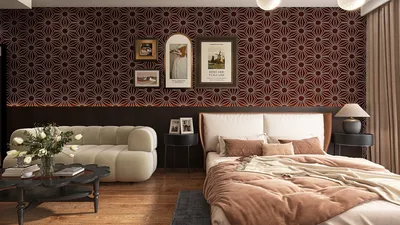


For over ten years, I have focused on optimizing small interiors during the challenging summer heat. The best cooling techniques for compact spaces always involve a trifecta: managing heat sources, ensuring air movement, and making smart material selections. In such limited areas, every choice carries significant weight—an ill-placed lamp or a thick blackout curtain can dramatically alter temperature perception.
I often reference two key factors when encouraging clients to change their summer routines: WELL v2 suggests maintaining relative humidity levels between 40–60% to enhance thermal comfort and minimize stuffiness. Additionally, achieving air speeds up to 0.8 m/s can lower perceived temperatures by about 2–3°C when clothing is light (WELL v2, Thermal Comfort; v2.wellcertified.com). The Illuminating Engineering Society supports this by stating that effective daylight management and glare control can reduce solar heat gains while ensuring visual comfort, minimizing the dependence on electric lighting that can further warm interiors (IES lighting practice, ies.org/standards).
Manage Heat Sources: Sunlight, Appliances, and Lighting
Begin with sunlight management. East- and west-facing windows can significantly impact small rooms due to the deep penetration of low-angle sunlight. To combat this, layer window treatments such as reflective light-colored exterior shades or solar screens combined with light-filtering interior fabrics. Ideally, target a solar heat gain coefficient (SHGC) below 0.35 for films or shades. Position blinds slanted upward to redirect light toward the ceiling, reducing glare and heat while maintaining brightness.
Minimize internal heat production. Unlike high-efficiency LEDs, incandescent and halogen bulbs convert a large portion of their energy into heat. Replace these with 2700–3000K high-efficiency LEDs that can be dimmed to decrease thermal load while keeping the ambience warm without raising the temperature. Don’t forget to unplug devices such as chargers and printers when not in operation, as they can accumulate heat rapidly in small areas. Prefer cooking methods like induction or microwave over gas and schedule heat-intensive tasks for cooler times of the day.
Enhance Airflow: Cross-Ventilation, Fans, and Pressure Dynamics
Establish a pressure path within the room. Open windows at different heights for exhaust and intake, which might involve using a door transom or a small fan to draw air from cooler areas. In micro apartments, positioning a box fan outward at the sunnier side and a smaller one on the shaded side can effectively create a gentle airflow.
Don’t underestimate the importance of ceiling or pedestal fans. Achieving air speeds of 0.6–0.8 m/s can greatly enhance evaporative cooling on the skin, allowing for a raised thermostat setting of 2–3°C while still feeling comfortable (WELL v2 guidance). Keep fan blades clean to maintain efficiency and utilize a gentle oscillation pattern to prevent drafts on surfaces or paperwork.
Design Considerations that Mitigate Heat Perception
Consider the layout of your small space carefully. Move seating away from areas where sunlight is most intense, ideally 18–24 inches, and position the primary seating to align with dominant airflow rather than directly in front of heat sources like electronics. If you’re considering a furniture arrangement change, using a room design tool like Homestyler can assist in visualizing sun trajectories and airflow patterns without needing to physically relocate heavy items.
Keep taller storage units away from exterior walls that get hot as they can act like radiators in the afternoon. Opt for furniture designs with bases and legs to facilitate airflow underneath. Steer clear of bulky upholstery that can trap heat and select furniture made from breathable materials instead.
Choosing Materials and Colors that Prevent Heat Accumulation
In small rooms, heat can build up quickly. Prioritize furnishings with low thermal mass—like rattan, cane, or thin wood veneers—over heavier materials such as stone or thick solid wood. For window treatments, combining thermal-lined sheers with reflective roller shades can provide versatile control: diffuse light with minimal heat gain in the afternoon and close off reflective layers during peak sunlight hours.
The psychology of color impacts perception as well. Light matte finishes can enhance brightness even at lower light levels, allowing for reduced reliance on electric lighting, which adds heat. Go for paints with a high light reflectance value (LRV) on ceilings and upper walls to bounce daylight deeper into the space, avoiding glare by opting for a matte finish. Cool-toned colors like soft greens and desaturated blues help create a refreshing atmosphere without making the area appear sterile.
Humidity Control and Comfort Maintenance
Humidity can be an invisible foe to comfort. Maintain indoor relative humidity between 40% and 60%—a range outlined in the WELL v2 framework for the well-being of occupants—by using a small dehumidifier on a timer, particularly during peak cooking or showering times. Reducing humidity levels can alleviate stickiness and allow fans to work more efficiently. In arid climates, a compact evaporative cooler can be beneficial, but avoid exceeding 60% humidity to prevent discomfort.
Sound and Behavioral Adjustments for Better Heat Management
Fan noise can significantly affect their usage. If a fan is excessively loud, people are likely to turn it off, leading to increased heat retention in the room. Choose fans that operate below 50 dB at medium speeds and ensure they are decoupled from resonant structures. Establishing a routine for summer can be effective: pre-cool rooms in the early morning by venting hot air, close solar shades before sunlight hits, operate fans quietly during peak hours, and ventilate again after sunset.
Zoning Spaces: Sleep, Work, and Relaxation
Consider creating micro-zones in the room to avoid cooling the entire area at once. A lightweight canopy or mosquito net over the bed complemented by a low-speed fan can reduce the volume needed for cooling during sleep. For a workspace, position your chair to align with the airflow from the fan, and use a task light that is positioned away from your line of sight to minimize heat and glare. If frequent rearrangement is necessary, an interior layout planner like Homestyler can help assess distances and airflow areas prior to making decisions.
Incorporating Tech for Energy Efficiency
Implement smart plug technology to eliminate phantom loads and automate a ‘heat off’ scene during midday: set lights to 30-40%, lower blinds, and turn on fans. A simple temperature and humidity sensor can indicate when to ventilate or cool the space. For those using portable air conditioning units, set a precise target temperature and utilize the fan for air distribution. Regular filter maintenance and sealing window kits are also essential to prevent hot air inflow.
Considerations for Textiles, Rugs, and Bedding
Choose flatweave rugs instead of dense pile options during summer months. Select breathable natural fabrics such as linen or percale cotton for bedding and window sheers. Avoid vinyl-backed blackout options unless total darkness is necessary; instead, consider layering a reflective roller shade with linen curtains for efficient control. Rotate cushions to ensure that surfaces that absorb sunlight during the day aren’t used later in the evening.
Lighting Solutions that Prevent Heat Accumulation
Prioritize daylight in your lighting design. Opt for localized, low-wattage task lighting to avoid hotspots and glare; indirect LED strips or sconces can aid in maintaining a comfortable environment. Follow recommended best practices from the IES to ensure visual comfort without increasing heat levels, and keep color temperatures around 3000K at night for a soothing ambiance.
Checklist for Maintenance During Extreme Heat
Frequently posed question: What strategies can effectively maintain thermal comfort? Focus on creating cross-ventilation, using quiet fans to attain an airspeed of 0.6-0.8 m/s, blocking solar gain with reflective shades, and controlling humidity levels to stay within the 40-60% range. Together, these tactics can lower perceived temperatures by about 2-3°C.
Answer: These solutions work best if the reflective surface faces direct sunlight and you deploy them before the sun hits. Pair with a light-filtering layer to avoid a cave-like atmosphere and limit the heat from electric lighting.
Yes, set a fan to draw cool air from the lowest and shadiest openings while exhausting warmer air from higher. For restful sleep, place a low-speed fan towards the foot of the bed, angled upward to prevent drafts while supplying airflow.
Opt for high-efficiency LED lighting. Transition from halogen and incandescent bulbs, which produce significant radiant heat. Choose 2700-3000K bulbs, ensuring they are dimmable and positioned indirectly to minimize glare and hotspots.
Keep in mind that perception plays a crucial role in smaller spaces. High-LRV, matte light colors effectively bounce natural light, allowing you to use lower electric levels and thereby reduce internal heat generation. Cooler shades (like soft greens and blues) evoke a fresher atmosphere.
Utilize a compact dehumidifier on a timer in areas prone to moisture and ensure adequate ventilation during cooler periods. Target a relative humidity of 40-60%, a range cited by WELL v2 for enhancing comfort and health benefits.
Yes, provided the setup is well-sealed and appropriately sized. Maintain tight ducts, keep filters clean, and use a fan to circulate cool air effectively. Set a reasonable target temperature and let airflow manage the rest.
Adjust seating away from direct sunlight paths, create open space beneath furniture for better airflow, and refrain from placing tall storage units against hot exterior walls. Utilize design tools such as Homestyler to visualize arrangements before heavy lifting.
Textiles like breathable linen and crisp percale cotton are ideal, as are flatweave rugs or bare floors during the summer. Avoid thick foam toppers and heavy fabrics like velvet in high temperatures.
Select fans that operate at about 50 dB at medium speed, as quieter options encourage ongoing use without irritation, thus supporting a stable airflow and overall comfort throughout the space.


Looking to transform your home? Homestyler is your go-to platform! With its user-friendly online design tool and stunning 3D renderings, you can easily visualize your projects. Explore countless design ideas through engaging tutorials and join an inspiring community of DIY enthusiasts. Start creating your dream space today!
Projete agora para LIVRE
































