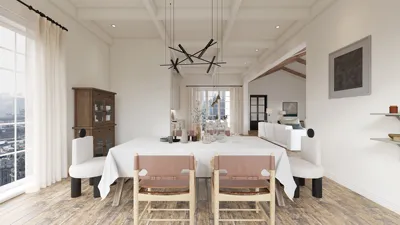


Optimal False Ceiling Designs for Living Rooms Featuring Two Ceiling Fans
The most effective false ceiling configurations for living rooms equipped with two ceiling fans include tray ceilings, layered ceilings, grid panel ceilings, and sleek minimalist flat designs. These styles facilitate balanced fan placement, uniform lighting, and ensure sufficient structural clearance. The selection primarily depends on factors such as room width, arrangement of furniture, and the lighting plan.
Key Insights at a Glance
Overview
Creating a false ceiling that accommodates two ceiling fans presents more challenges than many homeowners anticipate. Over a decade of working on residential interior projects, I've witnessed stunning living rooms compromised because ceiling layouts were finalized before considering fan placement, leading to unsatisfactory results.
When a space requires two ceiling fans—often in wider rooms or warmer climates—the ceiling design must simultaneously address airflow optimization, lighting distribution, and visual harmony. Improper ceiling geometry can result in awkward fan positioning, uneven illumination, or clashing visual patterns between fans and ceiling designs.
Before diving into design options, it is advantageous to use a visualization tool. Designers frequently begin by drafting room layouts with a 3D planner, such as Homestyler, which aids in mapping the spacing of fans, lights, and structural elements to ensure cohesive coordination.
The following ceiling designs are my top recommendations for clients seeking a neat aesthetic that pairs well with two fans.
Why Special Consideration Is Needed for Two-Fan Ceiling Plans
Essential Understanding: Dual fans generate distinct airflow zones that must be aligned with the ceiling layout to preserve balance.
Many design references prioritize ornamental ceilings first, adding fans afterward. However, in professional practice, fan placement dictates clearance requirements, centerlines, and lighting positions.
Common pitfalls include misaligned fans causing visual imbalance or conflicts with light fixtures.
Professional layouts often follow HVAC spacing principles, positioning fans relative to seating areas rather than merely centering them within the room.
Industry standards, such as those from the American Lighting Association, recommend separating fan zones and recessed lighting to avoid shadows and flickering.
Comparing Tray Ceilings to Layered Ceilings for Dual Fans
Core Takeaway: Tray ceilings offer symmetrical aesthetics, while layered ceilings provide versatility for lighting effects and depth.
Both options are widely favored for living rooms with two fans, though each addresses layout challenges distinctively.
Tray Ceilings
Layered Ceilings
From my observations, tray ceilings appear more harmonious in rooms wider than 12 feet. Conversely, smaller rooms risk feeling confined if the tray edges sit too close to fan blades.
Exploring Grid and Panel Ceilings for Even Fan Distribution
Important Note: Grid ceilings inherently resolve spacing issues by segmenting the ceiling into uniform modules.
Despite being underutilized in residential design, this method excels at accommodating two fans effectively.
Rather than fitting fans into decorative shapes, grid systems provide logical, balanced placement points.
A typical grid layout ensures flexibility, maintaining balance even if furniture arrangements change.
To verify the design, I often employ tools like Homestyler’s interactive room planner, which simulates fan positions relative to furniture and walkways, minimizing errors.
Minimalist False Ceiling Designs for Contemporary Living Rooms
Crucial Point: Minimalist designs generally complement two-fan setups better by reducing competing visual elements.
While intricate ceilings are often perceived as luxurious, adding two ceiling fans can make complex designs appear cluttered and chaotic.
Modern minimalist styles usually incorporate simple lines and unobtrusive layers, allowing furniture and lighting to take visual precedence.
Evaluating Pros and Cons of Popular Two-Fan Ceiling Concepts
Key Insight: Optimum layout depends on spatial proportions beyond mere aesthetic preference.
The following comparison is derived from multiple real-life projects.
Choosing the Proper Layout According to Room Dimensions
Fundamental Guideline: Fan positioning should correspond with seating zones and the room's width rather than decorative ceiling shapes alone.
Basic measurements to consider include:
General design principles emphasize the importance of integrating furniture footprint and lighting plans early in the design process.
Before finalizing, I recommend visualizing the ceiling in a 3D interior rendering tool like Homestyler, displaying fans, lighting, and ceiling contours together to prevent costly mistakes.
Summary and Final Thoughts
Frequently Asked Questions
Which is the most suitable false ceiling design for two ceiling fans?
Tray ceilings, grid layouts, layered ceilings, and minimalist flat ceilings are proven to enable symmetrical fan installation and balanced illumination.
What is the ideal distance between two ceiling fans in a living room?
Industry standards usually recommend spacing fans 6 to 10 feet apart, depending on fan blade size and room width, optimizing airflow coverage.
Can tray ceilings effectively accommodate two ceiling fans?
Absolutely. Tray ceilings work excellently when fans align along the center axis of the tray structure.
Do two ceiling fans make a room appear cramped?
Not when the ceiling design is thoughtfully planned. Minimalist or symmetrical designs promote visual balance and openness.
What false ceiling design suits small rooms with two fans?
Flat or shallow layered ceilings typically perform best in small spaces, maintaining a clean and uncluttered look.
Should lighting fixtures be installed near ceiling fans?
Lights should be placed at a safe distance of about 18–24 inches from fan blades to avoid shadows or flicker effects.
Is a grid ceiling favorable for two ceiling fans?
Yes. Grid ceilings divide the ceiling into balanced segments, simplifying harmonious fan placement.
Are modern ceiling designs compatible with dual ceiling fans?
Definitely. Contemporary false ceiling concepts often integrate two fan zones effortlessly through minimalist or layered approaches.

Modern Marble Top Fluted White Gold Accent Round Coffee Table 3D Model

Minimalist White Ceramic Stacked Coffee Mug 3D Model

Minimalist White Fabric Tufted L Shaped Sectional Sofa 3D Model
Homestyler offers an easy-to-use online design tool with stunning 3D renderings, a vast collection of interior projects, and helpful DIY video tutorials—perfect for anyone looking to create and visualize beautiful home designs effortlessly.
Projete agora para LIVRE
































