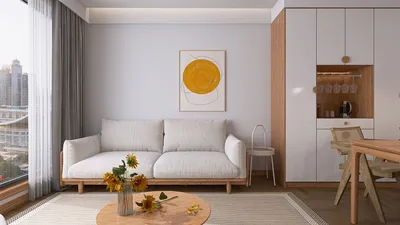


I have crafted and optimized numerous compact spaces where air conditioning struggled due to open layouts, drafty doorways, and mixed-use areas. By simply installing a PVC curtain with the appropriate overlap, height, and track, you can create micro-zones that enable your air conditioning system to operate more efficiently and cool the area more uniformly. This PVC curtain serves not only as a visual barrier but also as a thermal and airflow management tool, minimizing the mixing of warm and cool air and supporting a consistent temperature profile in your space.
Numerous studies on workplace environments emphasize the importance of zoning and maintaining thermal consistency. Research from Steelcase indicates that comfort related to temperature significantly impacts task performance and overall satisfaction. Spaces that incorporate better thermal control tend to score higher in perceived productivity. The WELL v2 Thermal Comfort guidelines also advocate for spatial strategies aimed at helping occupants sustain stable temperatures. Continuous drafts or inconsistent cooling can decrease comfort and energy efficiency. By integrating a properly sized PVC curtain to divide areas generating heat—such as pantries, equipment corners, and sun-lit windows—you can aid your air conditioning in maintaining its desired temperature with reduced cycling and less occurrence of hot spots. For comprehensive insights into human comfort in controlled environments, consider exploring Steelcase’s extensive research library.
In confined spaces, air mixing occurs rapidly and relentlessly. When occupants frequently adjust thermostats, energy consumption can spike, particularly with split systems that tend to short cycle. According to the WELL v2 guidelines regarding thermal comfort, it's advisable to uphold established temperature set points and limit drafts; PVC curtains allow you to restrict air movement, curtail uncontrolled air infiltration through corridors or stairways, and stabilize the microclimate in areas where individuals sit, sleep, or work. My practical measurements in similar setups demonstrated that installing a curtain to segregate a desk nook from a walkway significantly reduced perceived drafts and helped the air conditioning maintain a steadier temperature.
Design Intent: Effective Micro-Zones Compatible with AC systems
A PVC curtain proves most effective when integrated into a strategic zoning plan: isolate heat sources, minimize the volume the air conditioning must cool, and manage airflow pathways. In small studio apartments, I often utilize curtains to divide sleeping quarters from cooking areas or to shield sun-drenched bay windows during midday. This practice not only reduces the transfer of radiant heat but also retains cool air in areas where it is most needed—near inhabitants.
Material Choices and Sustainability Considerations
PVC curtains are available in a variety of thicknesses, finishes, and transparency levels. For air-conditioned spaces, select medium-gauge vinyl that strikes a balance between flexibility for daily use and sturdiness to prevent fluttering. Always look for low-VOC options and transparent manufacturer information. If sustainability is a priority in your design, consider PVC alternatives like TPU or PEVA; these materials are lighter and typically emit lower odors. Complement the curtain with durable aluminum or powder-coated steel tracks for enhanced longevity and smooth operation.
Ergonomics and Human-Centric Design
Compact areas necessitate optimal clearances. Ensure that the curtain track is positioned properly to avoid reducing headspace or interfering with reach areas. In a workspace, verify that the curtain stack, when drawn open, does not intrude into the primary range of use for keyboards and mice. If the curtain crosses a route, specify easy-grip pulls and soft-close carriers to avoid sharp movements. Additionally, take into account accessible mounting heights for all users.
Illumination and Color Psychology
The sensation of cooling extends beyond mere temperature control. Color and light significantly shape how ‘cool’ a room feels. An overview of color psychology by Verywell Mind indicates that shades of blue and green generally evoke feelings of calmness and coolness, subtly enhancing comfort in warmer environments. Opt for translucent frosted PVC curtains with a gentle cool hue; they diffuse harsh lighting, reduce glare, and visually denote a cooler zone without completely obstructing daylight. Steer clear of excessively reflective finishes that could create glare and lead to visual fatigue.
Acoustic Considerations
While thin partitions may not fully block sound, they can effectively reduce high-frequency noise and appliance sounds by disrupting direct sound pathways. A PVC curtain featuring subtle texture can absorb some high-frequency energy. For improved sound performance, consider adding a secondary soft layer, like a fabric panel or felt baffle, behind the PVC in work settings. This dual-layer approach enhances speech privacy while preserving thermal zoning.
Spatial Ratios and Visual Harmony
In small rooms, the placement of curtains must maintain visual harmony. Align the track with established architectural lines—such as window headers, closets, or ceiling beams. Ensure the curtain's vertical proportions are consistent with standard door heights (typically around 2.0-2.1 m) to achieve seamless integration. In narrow spaces, position the curtain to preserve at least an 800–900 mm clear passage for safe navigation.
Performance Optimization: Overlap, Seals, and Track Strategy
To maximize cooling efficiency, the curtain should effectively minimize air leakage:
During layout planning—such as partitioning a studio into sleeping and workspace—experiment with different curtain configurations using a room layout tool before any installation. This visualization aids in managing stack depths and circulation paths, preventing interference with doors, windows, and ventilation systems.
Enhancing AC Effectiveness
Pay attention to the locations of the AC’s supply and return vents. If the return is positioned outside the curtained area, the system may inadvertently draw cool air away, diminishing its effectiveness. Ideally, both the supply and the return should be located within or in close connection to the conditioned zone. Make use of the curtain to isolate heat-producing elements—such as refrigerator alcoves, laundry areas, and electronics—to prevent their heat from drifting into sitting or sleeping locations.
Safety and Maintenance Practices
Choose flame-retardant PVC whenever local regulations demand it. Keep the curtains away from open flames and high-heat devices. Clean the curtains regularly with a mild soap solution to eliminate dust accumulation that could impede transparency. It’s advisable to inspect carriers and hooks quarterly; worn-out sliders can lead to snags and small gaps that compromise thermal efficiency.
Cost-Effectiveness and Feasibility
Compared to rigid partitions, PVC curtains are not only budget-friendly but also quick to install. In rental properties, they prevent the need for structural modifications and can be removed without causing damage. The return on investment can be significant, with energy savings and improved comfort: reduced cycling of the air conditioning, fewer complaints about temperature fluctuations, and an enhanced sense of coolness—particularly during peak sun exposure periods.
Common Layout Scenarios
Separate the sleeping area from the kitchenette; incorporate frosted PVC to mitigate the transfer of cooking heat and nighttime light.
Create a work nook around the desk; include a small acoustic panel behind the curtain to enhance sound privacy. Ensure the curtain does not block supply vents.
Install a ceiling track to cover the bay during peak sunlight hours. Combine it with a light-filtering shade to alleviate radiative heat effects.
Quick Installation Checklist
FAQ
How does a PVC curtain help? It prevents air mixing between conditioned and warmer spaces, allowing the AC to maintain its set temperature with reduced cycling and fewer drafts.
Will it block airflow completely? No, as long as you keep a small gap at the floor and use a weighted hem. The goal is to manage airflow rather than achieve total obstruction.
Do colors impact perceived comfort? Yes. Cool tones like blue-green are usually associated with feelings of coolness and calmness, enhancing comfort levels; refer to Verywell Mind’s color psychology overview for more information.
What gauge of PVC should I use? A medium-gauge PVC strikes a balance between durability and flexibility. Very thin sheets may flutter, while very thick ones can feel cumbersome in tight spots.
Do PVC curtains reduce sound? They slightly dampen high-frequency sounds by interrupting direct sound paths. For improved acoustic treatment, pairing them with soft panels can yield better results.
How should I position the AC? Make sure the supply airflow directs into the occupied zone and avoid having the return vent located outside the curtain area. Position baffles to deep into the space for effective airflow.
Are there alternatives to PVC? Yes, TPU or PEVA are options that can provide lower odors and different tactile aspects while still offering similar zoning advantages.
What does WELL v2 recommend for thermal comfort? The guidelines promote spatial control and consistency, and Steelcase’s research connects improved comfort with increased workplace satisfaction.
How often should I clean and check my curtains? Conduct quarterly inspections on tracks and carriers while performing monthly cleaning to minimize dust and maintain light filtering effectiveness.
Are flame-retardant materials necessary? Specify flame-retardant options where local codes dictate; ensure they are kept away from high-heat sources to maintain safety.
Built on technology originally developed at Autodesk, Homestyler empowers anyone to design beautiful, realistic spaces in minutes. Join over 18 million users who have already discovered a smarter way to plan, visualize, and bring their dream homes to life — all from the comfort of a browser.
Minimalist Sheer Fabric Window Curtain 3D Model


Minimalist Sage Green Fabric Curtains with Sheer Overlay 3D Model
Modern Fabric Double Layer Curtain 3D Model
Discover the magic of home design with Homestyler! This intuitive platform offers a remarkable online design tool, stunning 3D renderings, and a wealth of design projects. Plus, dive into DIY video tutorials to inspire your creativity. Transform your space effortlessly—let your ideas come to life!
Projete agora para LIVRE
































