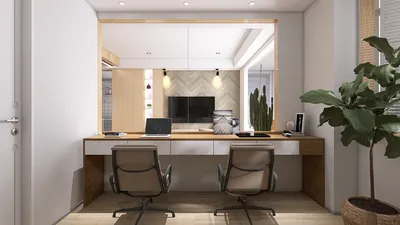


Open-concept living spaces combined with kitchens may appear to be effortlessly stylish, yet managing temperature in these areas poses significant challenges. Heat generated from cooking, expansive windows, and diverse seating arrangements require an air conditioning (AC) strategy that harmonizes capacity, airflow, and filtration without transforming your communal area into a drafty environment. My experience in designing mixed-use living areas has shown that the most effective solutions emerge when appropriately sized and zoning-capable AC systems are paired with precise ventilation and intelligent controls, with platforms like Homestyler proving invaluable for such designs.
When selecting hardware for your space, base your decisions on concrete data. According to the WELL Building Standard, maintaining a temperature around 24–25°C (75–77°F) with moderate air speeds enhances comfort for most occupants. Moreover, keeping CO2 levels below 800–1000 ppm helps diminish any stuffiness, indicating the importance of good air quality (source: WELL v2). Research by Steelcase reveals that personal control over temperature and airflow significantly boosts comfort and productivity, affirming that designs allowing for occupant adjustments tend to receive higher satisfaction ratings (source: Steelcase Research).
Optimizing Your Air Conditioning: Load and Capacity Insights
Open living spaces adjoining kitchens usually require 15–30% more cooling capacity than closed-off counterparts of similar size due to heat from cooking devices and lighting. For reference, a typical 350–500 sq ft open-plan area with standard 8–9 ft ceilings should start with an AC capacity of 12,000–18,000 BTU/h, adjusting for factors like solar gain, occupancy levels, and appliance heat. Gas ranges can contribute an additional 1,000–2,000 BTU/h intermittently; also, large windows facing south or west might increase peak loads by another 2,000–4,000 BTU/h. Select a system capable of modulating capacity, such as inverter-driven units, to prevent overcooling during cooking surges.
Top Air Conditioning Options for Open Living Spaces and Kitchens
For most homes, my leading recommendation is inverter mini-splits, which provide variable capacity, quiet operation (around 19–30 dB(A) at low fan settings), and the ability to manage independent zones. Ceiling cassettes ensure a more even air distribution across both the living area and kitchen, minimizing drafts. Look for models equipped with wide throw capabilities and auto-swing functions adjustable away from seating locations.
For spaces with larger footprints or multi-room layouts, consider a multi-zone condenser system featuring two indoor heads – one directed towards the kitchen and another aimed at the lounge. This arrangement ensures precise control, reducing the effects of cooking heat on the seating area and permitting higher temperature settings in the kitchen after food preparation.
If ducts are already in place, integrating motorized dampers along with a dual-thermostat system can effectively separate the kitchen and lounge climates. Pair these with an ECM blower and a variable-speed compressor to maintain a consistent, lower airflow. It is crucial to ensure that return air placements do not circulate cooking smells throughout the entire residence.
I generally advise against using these units as primary systems beyond temporary or supplementary cooling. They may assist during peak cooking times, but their noise, inadequate filtration, and limited reach make them less favorable for open-concept designs.
Airflow Distribution: Eliminate Drafts, Enhance Circulation
Comfort fundamentally relies on effective airflow dynamics. Position supply vents strategically to create a movement of air across heat sources while avoiding direct drafts on occupants. The ideal airflow should align with the space's longest dimension, and returns should be thoughtfully placed to capture warm air rising from kitchen areas. Maintaining an average airflow speed of less than ~0.3 m/s in occupied zones reduces draft sensitivity, following WELL v2 comfort standards. When experimenting with furniture layouts or partitions, utilizing a room layout tool such as Homestyler can effectively visualize how supply and return interactions affect comfort zones.
Filtration and Odor Management
Relying solely on cooling will not eliminate odors. Invest in a high-quality range hood vented to the outdoors, as recirculating hoods with charcoal filters should only be viewed as a last resort. Specify AC systems with filtration capabilities of at least MERV 11 to capture fine particulates; for kitchens prone to frying or allergy concerns, opting for MERV 13 provides better filtration of smaller particles. During cooking, ensure that kitchen exhaust levels are slightly elevated compared to the living area to maintain neutral or slightly negative pressure.
Noise Control and Acoustic Comfort
Open plans tend to amplify sounds, so it’s important to select indoor units that operate at sound levels below 30–35 dB(A) during normal use. Mount wall units away from entertainment spaces and conversation areas; install ceiling cassettes off-center to avoid direct noise paths. Incorporate soft and porous finishes, like rugs and upholstered furniture, to absorb fan noise effectively. Although a quiet mode is available in many models, ensure that sufficient airflow is maintained during cooking periods.
Intelligent Controls, Sensors, and Zoning Solutions
Employing smart thermostats equipped with both temperature and humidity sensors in the kitchen and lounge areas can prevent overcooling. Program a slight temperature setback during cooking (for instance, maintain 76°F with higher airflow for 45 minutes, then revert automatically to 74°F). The findings by Steelcase regarding personal control are applicable here as well: allowing app-based adjustments for quick changes boosts comfort and minimizes conflicts in shared spaces. Installing a CO2 sensor near the lounge can prompt a short ventilation boost if CO2 levels exceed ~900 ppm without relying solely on extra cooling.
Interplay of Lighting, Heat, and Color
Lighting significantly influences both heat generation and comfort perception. Replace older high-wattage fixtures with LED alternatives; well-designed LED systems can reduce radiant heat while also accommodating warmer color temperatures (2700–3000K) in lounge areas and neutral whites (3500–4000K) in kitchens for better task lighting. Cool color temperatures can create a fresher atmosphere but be cautious about using overly cool lighting at night. Thoughtful color schemes are also essential; cool hues, especially in the blue-green range, can visually temper warmth, whereas deeper, saturated warm colors may contribute to a warmer feel under bright conditions.
Energy Efficiency and Sustainability Practices
Opt for inverter heat pumps with appropriate SEER2/EER ratings tailored to your climate conditions, and verify low-ambient functionality if you require heating during transitional seasons. Ensure proper insulation and sealing around kitchen entry points, while solar shading techniques can mitigate afternoon heat gain. Regularly check and maintain filters during high cooking activities, and schedule annual cleaning of coils to sustain efficiency.
General Guidelines for Placement
- Avoid directing airflow directly at the sofa; adjust louvers to skim above seating height for comfort.
- Maintain a minimum clearance of 6–12 inches around wall-mounted units, and provide adequate plenum space for ceiling cassettes to ensure balanced air discharge.
- Do not locate return vents directly above the cooktop; capturing warm air from the broader kitchen area is more effective.
- If rerouting ducts is not feasible, consider adding a secondary mini-split unit closer to the kitchen for better control during peak cooking times.
Recommended Configurations Based on Space Size
- For compact open plans (250–350 sq ft): Begin with a 9,000–12,000 BTU/h inverter mini-split, preferably a single head or ceiling cassette system.
- For medium spaces (350–600 sq ft): A capacity of 12,000–18,000 BTU/h is recommended, utilizing multi-zone setups with two heads or one long-throw cassette; consider enhancing kitchen exhaust during cooking as needed.
- For expansive or high-ceiling spaces (600+ sq ft or >10 ft ceilings): Plan for 18,000–24,000 BTU/h multi-zone systems coupled with dedicated ventilation; always confirm throw distances and incorporate stratification fans if required.
System Setup and Adjustment
Once installation is complete, take a full week to adjust the system: verify airflow patterns, louver angles, fan velocities, and temperature settings. Record the kitchen temperature and lounge comfort levels during meal preparation sessions, and refine zoning or airflow based on observed drafts and warm spots. Using an interior layout planner tool, such as Homestyler, can facilitate testing furniture arrangements that optimize air circulation.
Common Queries
Ductless inverter mini-splits or multi-zone heat pumps deliver the highest levels of control, stealthy operation, and adept modulation. Central AC systems equipped with zoning features can also be effective, provided the ductwork is well-designed.
For spaces measuring 350–500 sq ft, begin with an AC capacity of around 12,000–18,000 BTU/h, then make adjustments accounting for window exposure, sunlight, ceiling heights, and cooking heat. Oversizing can lead to short cycling and humidity complications; therefore, opting for variable capacity options is advisable.
No, a ducted range hood alongside adequate exhaust is essential. While the AC's filtration (MERV 11–13) can reduce particulates, it cannot substitute proper ventilation.
Aim to adjust louvers to ensure airflow sweeps over seating areas, and opt for wider, softer airflow from a ceiling-mounted cassette unit. Keep airspeed in occupied spaces beneath ~0.3 m/s to enhance comfort.
Absolutely, having separate controls for the kitchen and lounge settings mitigates overcooling issues and minimizes conflicts. Research supports that personal control is a significant factor in improving comfort satisfaction.
Inverter systems efficiently dehumidify at lower fan settings. Aim for indoor relative humidity levels around 40–50% for optimal comfort; consider utilizing a dedicated dehumidifier if you are in a particularly humid environment.
Yes, particularly when combined with remote sensors. Configure temporary cooking profiles to raise setpoints and boost airflow during cooking, then revert back to standard settings automatically.
Seek to keep indoor noise levels below 30–35 dB(A) during ordinary operation. Ceiling-mounted cassettes and high-end wall units typically achieve this noise level.
Indeed. The use of LED lighting diminishes heat output compared to traditional halogen lights and allows for tailored color temperatures—warm in lounges and neutral in kitchens—to support comfort without increasing thermal load.
Although they can assist during cooking peaks, these units generally serve better as short-term solutions due to their noise levels, limited coverage, and subpar filtration.
Inspect filters monthly during busy cooking periods; replace or clean them as recommended, typically every 2–3 months. Maintain appropriate MERV ratings suitable for your specific unit.
Position return vents to capture warm air rising from the kitchen zone, steering clear of placement directly above cooktops. Ensure that supply air circulates across the space for optimal mixing and comfort.


Homestyler is your go-to online home design platform, offering an intuitive design tool that allows you to create stunning spaces effortlessly. With impressive 3D rendering, inspiring design projects, and helpful DIY video tutorials, bringing your home vision to life has never been easier!
Projete agora para LIVRE
































