

Direct Answer
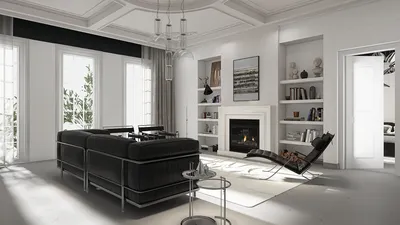
To optimize furniture arrangement in a 14x20 living room, it's essential to define clear functional zones, maintain proportional furniture sizes, and preserve unobstructed pathways for movement. In rectangular spaces of this dimension, ideal layouts typically anchor seating areas with a rug, ensure a circulation clearance of 30 to 36 inches, and place larger pieces along the longer walls to give the room stability.
Quick Takeaways
Introduction
Having designed numerous rectangular living rooms, I've found that a 14x20 layout is both common and often misinterpreted. While it seems spacious on paper, many homeowners encounter challenges like awkward empty corners, obstructed flow, or seating that feels disconnected.
Most layout challenges stem not from room size, but from poorly considered furniture placement that neglects scale and traffic. Common mistakes include pushing all items against walls or crowding the room with oversized units in the center.
Visualizing the room layout before physically moving furniture can be extremely helpful. Utilizing digital tools such as Homestyler allows homeowners to experiment with different furniture arrangements and workflows virtually, saving effort and mistakes.
This article explores proven placement techniques to enhance comfort, visual harmony, and smooth circulation within a 14x20 living room.
save pin
Key Spatial Principles for a 14x20 Living Room
Key Insight: The greatest enhancement arises from zoning the space thoughtfully rather than merely filling it.
A 14x20 space naturally forms a rectangle that can be conceptualized as two functional areas: seating zones and walking paths.
When these zones overlap, the room feels cluttered; separating them makes the space seem much larger.
Essential spatial guidelines applied in design projects include:
According to the American Society of Interior Designers, maintaining adequate circulation widths strongly correlates with perceived comfort levels in residential interiors.
Optimizing Seating Zones for Conversation
Key Insight: In rectangular rooms, seating arrangements that face inward encourage interaction better than arrangements lining the walls.
A common pitfall in 14x20 living rooms is the "perimeter trap," where sofas are placed against opposite walls. Although this may fit more pieces, it disrupts conversational dynamics.
Instead, design a centralized conversational cluster to foster engagement.
Effective seating configurations include:
Swivel chairs add versatility by allowing movement between conversation and TV viewing without rearranging the furniture setup.
save pin
Balancing Furniture Scale and Proportion
Key Insight: The feeling of crampedness is less about room size and more about excessively large furniture.
Recently, sofas have tended to get deeper, sometimes reaching 40 inches or more, which reduces critical circulation space in a 14-foot-wide room.
Recommended furniture dimensions are:
When uncertain about proportions, leveraging digital floor planning tools like Homestyler can help assess furniture scale before making purchases, avoiding costly errors.
I now advise nearly all clients to use such tools due to the high cost of correcting scale mistakes after buying big pieces.
save pin
Using Rugs and Lighting to Reinforce Layout
Key Insight: Rugs and lighting function as visual anchors that organize the space where architectural features may not.
In a 14x20 living room, furniture alone rarely provides a clear spatial definition. Incorporating soft elements like rugs and layered lighting 'lock' the arrangement cohesively.
Techniques to reinforce layout include:
This concept, often referred to as "visual gravity," subtly draws attention to the room’s focal zone.
Maximizing Storage Without Crowding
Key Insight: Storage should be placed along the room's edges to keep the central area open and airy.
Since a 14x20 living room often serves as a media or family space, storage becomes essential. The key is to keep it low-profile and linear.
Smart storage solutions include:
Wall-mounted units reduce visual bulk and maintain openness in the primary seating area.
Small Adjustments That Improve Flow
Key Insight: Minor shifts in furniture placement by 6 to 12 inches can substantially improve circulation.
Before investing in new pieces, I test subtle modifications to existing arrangements.
Quick ways to enhance layout include:
Many homeowners now utilize tools like Homestyler to quickly visualize alternative layouts, revealing better traffic flow options through side-by-side comparisons.
save pin
Answer Box
The best approach to furniture placement in a 14x20 living room involves creating a centralized seating area, ensuring 30 to 36 inches of walking clearance, and selecting furniture scaled appropriately for the room’s width. Such balanced zoning consistently outperforms pushing all items against the walls.
Final Summary
FAQ
What is the best furniture layout for a 14x20 living room?
An inward-facing seating arrangement with a sofa and two chairs works optimally. Maintain a clear circulation route along one side.
How do you maximize space in a 14x20 living room?
Opt for medium-sized furniture, place storage units along perimeter walls, and use a large rug to anchor the seating area and prevent disjointedness.
Is a sectional suitable for a 14x20 living room?
Yes, provided it is not oversized. A compact L-shaped sectional can effectively demarcate the seating zone.
How much walking space should a living room have?
Design standards recommend 30 to 36 inches of unobstructed traffic space for comfort.
Where should the sofa be placed in a rectangular living room?
Typically, the sofa is best along the longer wall or slightly offset, oriented towards the room's focal point.
What rug size best fits a 14x20 living room?
Rugs sized 8x10 or 9x12 feet work well, allowing the front legs of furniture to rest on the rug for cohesion.
How do you improve traffic flow in a rectangular living room?
Avoid obstruction of pathways by coffee tables or chairs and keep main walkways at least 30 inches wide.
What are common mistakes in a 14x20 living room layout?
Common errors include using oversized furniture, placing everything against the walls, and overlooking circulation requirements.
References


Homestyler is an easy-to-use online home design platform offering powerful 3D rendering, a vast collection of interior design projects, and helpful DIY video tutorials. It’s perfect for bringing your creative ideas to life and visualizing your dream space effortlessly.
Projete agora para LIVRE
































