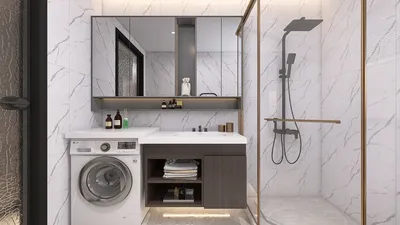


I view luggage racks as small yet impactful components of hotel rooms. They create a welcoming atmosphere upon arrival, protect finishes, and minimize inconveniences for guests during unpacking. In my experience, a strategically located, robust rack saves time during each stay and prevents unnecessary wear and tear on furniture and upholstery.
Data-Driven Insights to Inform Luggage Rack Choices
Research consistently indicates the importance of first impressions upon arrival. Studies from Steelcase illustrate that the initial five minutes within a space significantly impact the perceived comfort and functionality—especially evident in hospitality settings where unpacking is the primary task. Ergonomically, the optimal suitcase handling height lies between 28 and 32 inches, promoting a neutral position for wrists and lower backs, in line with general ergonomic practices highlighted on ergonomics.org. Additionally, the Illuminating Engineering Society (IES) recommends task lighting of 300–500 lux for detailed activities; placing a rack in this illuminance range reduces eye strain and aids in proper packing in low light conditions.
Strategic Rack Placement: Maximizing Efficiency
As a guiding principle, place the rack within the arrival triangle—between the door, closet, and primary pathways—while avoiding any obstructions. Ideal locations include just outside the closet or adjacent to the wardrobe for a 36-inch clear pathway. In king-size rooms, position the rack near the foot of the bed but slightly offset to prevent stubbing toes and permitting housekeeping to manage the bedding effectively. For compact urban accommodations, a foldable wall-mounted rack adjacent to the closet can optimize floor space.
Utilizing room layout simulation tools like Homestyler can facilitate the planning of multiple room types and test the efficiency of space, allowing visualization of clearances, arrival trajectories, and ADA compliance before finalizing designs.
Height, Space, and ADA Compliance Considerations
For optimal comfort, the rack height should be maintained at 28 to 32 inches. It's essential to ensure a minimum of 36 inches of clear pathways around the rack and 18 inches of side space when adjacent to closet doors. For ADA-compliant rooms, ensure that rack placement does not interfere with transfer areas, requiring a turning radius of at least 48 inches where necessary. Should a fixed rack hinder accessibility, consider a foldable option mounted inside the wardrobe for user convenience.
Material Selection: Combining Durability and Aesthetics
In high-traffic hospitality environments, it’s critical to select materials that can withstand rolling luggage and wet umbrellas. I recommend powder-coated steel frames paired with nylon-web slings for both durability and ease of maintenance. For boutique hotels, solid ash or oak with a catalyzed finish provides durability while maintaining aesthetic warmth. If chrome is chosen, ensure it features triple-plated finishes to resist damage from cleaning agents. Straps should be replaceable, targeting a width of 2.5 to 3 inches with a tensile strength of 600 to 800 lbs to prevent sagging under weight. Additionally, adding non-marring rubber feet protects hard surfaces and reduces noise on stone floors.
Lighting and Visual Comfort Around the Rack
Guests frequently unpack under inadequate lighting. It is advisable to provide 300–500 lux at the rack using a wall sconce or a ceiling-mounted downlight with a 3000–3500K color temperature to ensure accurate color representation while creating a welcoming atmosphere. Managing glare is also vital—avoid directing lighting onto shiny luggage surfaces; utilize cut-off angles or diffusers. I recommend utilizing beam angles of 30 to 40 degrees to focus light on the rack without over-exposing the bed’s headboard.
Color Psychology: Promoting Order and Relaxation
The color scheme around the rack can significantly affect the perception of organization. Neutral mid-tones like warm gray and taupe evoke calmness and reduce visual distraction, while a slightly darker base beneath the rack visually stabilizes luggage. According to Verywell Mind's findings on color psychology, shades of blue and green are linked with tranquility and stability; I utilize these colors sparingly as accents around arrival points to lessen anxiety and encourage orderly behavior. It is best to avoid intense reds near the rack, as they can increase stress levels and contribute to a feeling of disarray.
Acoustic Considerations
Rolling luggage can create amplified sounds on hard surfaces. It is wise to specify felt or rubber feet and consider integrating a low-pile, stain-resistant rug under the rack in suites. In hallways, incorporating soft materials near entrances minimizes noise as luggage crosses thresholds, promoting quieter arrivals and enhancing perceived room quality.
Housekeeping Efficiency and Maintenance
Housekeeping staff favor racks that can be folded flat and stand upright when stored, helping to maintain closet order. I recommend setting routine procedures for inspections: check straps weekly, tighten fasteners monthly, and rotate racks quarterly to ensure even wear. Use finishes that are compatible with common cleaning solutions. An added benefit is that racks protect benches and upholstered furniture from luggage wear, thereby extending the lifespan of furnishings.
Safety, Stability, and Guest Ergonomics
Ensuring stability is essential. A four-leg design with cross-bracing prevents tipping under weight. The feet should remain stationary on polished surfaces; specify rubber of 60 to 70 Shore A hardness. The top of the rack should be capable of supporting suitcases 22 to 30 inches wide without any overhang. Maintaining edge radii of 2 to 3 mm prevents injuries and fabric snags. For wall-mounted designs, ensure appropriate bracing is used behind the finish and distribute loads across at least two studs.
Integrating Style Across Brand Levels
For select-service hotels, a sleek, matte-black rack harmonizes with lighter wood wardrobes, maintaining visual consistency. Boutique hotels can treat racks as design features, incorporating leather-wrapped straps, brass hardware, and subtle branding on frames. In luxury settings, racks can be seamlessly integrated into benches, featuring concealed strap supports for functionality without visual clutter. Consistency with brand standards is crucial; finish samples need to be reviewed under typical room lighting to avoid color mismatches.
Sustainability and Lifecycle Management
It is important to select wood sourced from sustainable suppliers and finishes that are low in volatile organic compounds (VOCs). Metal structures should be designed for repairability and recyclability; using modular strap replacements can enhance longevity. Efforts can also be made to reduce single-use plastics during packaging for installation. I analyze total ownership costs over a span of five years; racks that minimize damage to upholstery usually validate investment in higher-quality materials.
Spatial Ratios and Aesthetic Balance
Proportion is key. In a room measuring 300–350 sq ft, a rack width of 24–28 inches appears well-proportioned next to a 36-inch wardrobe. The rack should fall within the visual cadence of vertical elements such as closet doors, curtains, and full-height mirrors to create a cohesive arrival wall. Avoid positioning a rack directly opposite a mirror if glare is an issue; adjustments should be made for effective sightlines.
Installation Details and Testing Protocols
Before implementation, create a mock-up room and assess it using three common suitcase sizes: 22-inch carry-on, 26-inch medium, and 29-inch large. This allows for evaluation of clearances, lighting, and stability. Adjust mounting heights or substitute feet to enhance stability as needed. It's also important to document hardware specifications and include them in brand standards manuals for uniform installation across different locations.
FAQs
Q1: What is the recommended height for luggage racks?
A: Strive for a height of 28 to 32 inches to maintain an ergonomic lifting range and reduce the risk of back injuries.
Q2: How much illumination is needed around the rack?
A: Aim for task lighting of 300 to 500 lux with a 3000 to 3500K color temperature, in line with IES recommendations for comfortable unpacking.
Q3: Where should racks be positioned in smaller rooms?
A: Near the closet or entryway with a clear path of at least 36 inches; foldable wall-mounted options can effectively conserve space.
Q4: What materials are best for durability?
A: Consider powder-coated steel frames with nylon-web straps or solid hardwood with protective finishes, and include non-marring rubber feet.
Q5: How can ADA requirements be met?
A: Ensure that the rack does not block transfer and turning spaces; consider movable or foldable designs in accessible rooms.
Q6: Can racks help in reducing furniture wear?
A: Absolutely. Providing designated racks discourages the use of chairs and benches for luggage, thereby extending the life of upholstery and furniture.
Q7: What specifications should be followed for straps?
A: Straps should be 2.5 to 3 inches wide with a tensile strength of 600 to 800 lbs to prevent sagging and support heavier luggage.
Q8: What maintenance practices should housekeeping follow for racks?
A: Inspect straps weekly, tighten fasteners monthly, and rotate racks quarterly while using finishes compatible with regular disinfectants.
Q9: Does the color scheme around the rack hold significance?
A: Yes, neutral and soothing colors (like blues and greens) encourage organized behavior while avoiding high-saturation reds in arrival areas.
Q10: Are integrated bench racks advisable?
A: In luxury settings, yes—if they adhere to proper height, stability, and clearance standards, they can enhance the visual appeal without compromising functionality.
Q11: What beam angles should be used for lighting racks?
A: Angles of 30 to 40 degrees effectively focus light on the rack while minimizing glare on reflective luggage surfaces and preventing light overflow onto the bedding.
Q12: How can I evaluate rack placement prior to rollout?
A: Conduct a mock-up with standard suitcase sizes to verify clearances, lighting, and stability; make adjustments to fittings and materials as needed.

Discover the magic of home design with Homestyler! This user-friendly platform offers an intuitive online design tool, stunning 3D renderings, and a plethora of inspiring design projects. Plus, with DIY video tutorials at your fingertips, transforming your space has never been easier. Start creating today!
Projete agora para LIVRE
































