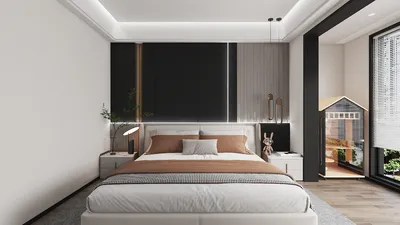
My experience includes organizing and designing numerous intimate events throughout Mumbai, and I can confidently say that Mulund West is a top choice for those seeking unique compact spaces. The factors that distinguish a good small party hall from a great one primarily revolve around lighting, acoustics, and a well-conceived layout. These details are crucial in shaping how guests interact, engage, and remember their time at the event.
Before finalizing your venue options, make sure to base your decisions on reliable comfort standards. According to the WELL Building Standard, social areas should have illumination between 300–500 lux, with warmer tones (2700–3000K) to enhance relaxation, while functional areas, like buffet setups, can reach up to 500 lux for better visibility. Additionally, research by Steelcase points out that high noise levels and poor audio clarity can hinder social interactions; maintaining controlled reverberation times and moderate background noise becomes essential, particularly in smaller, easily resonant halls. I utilize these guidelines to determine if a hall can truly foster conversation and set the right atmosphere.
Optimizing Your Venue Size
Determining capacity isn't merely about numbers; it's also about the physical space. For cocktail events, allocate roughly 10–12 sq ft per guest, while for seated meals, consider 12–15 sq ft per person. If a dance floor or live performance area is included, it’s wise to add an additional 20–30% to your total. Research from Herman Miller emphasizes the importance of circulation space: ensuring at least 36 inches for main pathways prevents overcrowding. If you anticipate a changing guest list, confirm that the venue has versatile furniture options, such as stackable chairs and folding tables, plus movable elements that can double as sound barriers.
Lighting to Enhance Guest Experience
In smaller venues, quality lighting can greatly impact the ambiance. Aim for a combination of light sources: warm dim pendants over seating areas (2700–3000K), wall-mounted fixtures to visually expand narrow spaces, and adjustable accent lighting for dessert displays or photo opportunities. Manage glare with diffusers and matte surfaces. According to the Illuminating Engineering Society, social spaces in hospitality aim for a horizontal illuminance range of 100–300 lux, increasing to 300–500 lux for active areas. A Color Rendering Index (CRI) of 90+ ensures natural appearances in photography, mitigating harsh, bluish lighting.
Creating Acoustic Comfort for Conversations
In more confined spaces, the risk of noise doubling as guest numbers increase is significant. Implementing sound-absorbing materials on about 20–35% of the walls and ceilings—such as felt panels, acoustic curtains, and plush banquet seating—can help manage this. Strategically placing speakers will prevent concentrated noise levels near the DJ while ensuring sound is directed towards the dance floor. Positioning the bar away from the entrance can also help avoid congested areas at the start of the event. For speeches, utilizing a small array of speakers or compact column setups with lapel microphones will maintain clarity without overwhelming amplification.
Smart Layout Strategies for Mulund West Venues
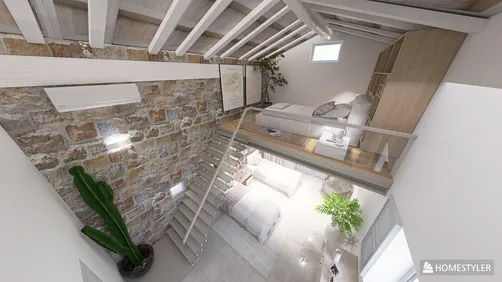
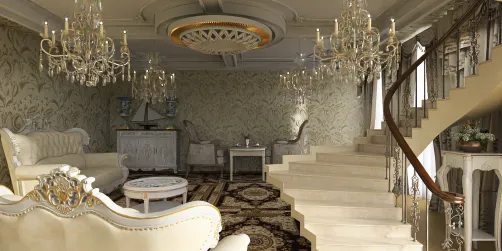
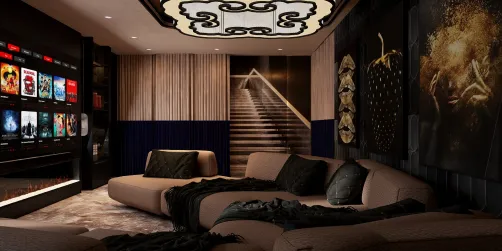
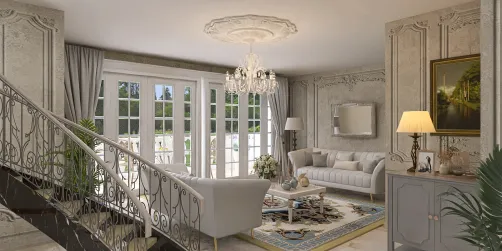
Effective small hall layouts benefit from defined zones: a welcoming area at the entrance for gifts and guestbooks, a vibrant social space with flexible café tables, and a quieter nook for older guests or intimate discussions. Consideration for sightlines is crucial—position the cake or stage against the longest wall for visibility and appealing photographs. Testing various seating arrangements with a room layout tool like Homestyler can help assess necessary widths for aisles and buffet lines as well as optimal sightlines.
room layout tool
The Impact of Color on Atmosphere
In smaller gatherings, soft warm colors can promote relaxation while vibrant accents stimulate energy in specific areas. Insights from Verywell Mind indicate that blues can evoke tranquility and reliability, whereas reds may spark excitement and hunger—great for dessert displays. Maintain a balanced palette with 60% neutrals, 30% complementary tones, and 10% bold accents to maintain visual interest without overwhelming guests.
Selecting Materials for Aesthetic and Functionality
Venues in Mulund West often experience high usage with limited storage available. It's advisable to select materials that absorb sound, resist staining, and photograph beautifully. Opt for matte tableware and satin linens to minimize glare. Should rentals be necessary, consider using FSC-certified wooden risers, recycled PET felt panels, and energy-efficient LED lighting (90+ lm/W). Low-VOC candles or LED options will help maintain good air quality. Rubber pads beneath dance platforms and speakers can reduce vibrations affecting adjacent areas.
Coordination with Vendors for Smooth Operations
When hosting an event with 60–100 guests, allow a 15-minute stagger for catering setup and DJ soundchecking to avoid congestion. Designate a single service corridor—ideally on the opposite side of a significant photo wall—to keep trays and equipment hidden from view. A compact bar setup (6–8 ft) equipped with a back-bar shelf will effectively serve 80 guests, while anything smaller can create queues that disrupt seating areas.
Ensuring Power, Safety, and Accessibility
Make sure there are at least two 15A circuits reserved for entertainment needs to prevent disruptions during peak moments. Manage cables using matte gaffer tape in high-traffic areas and verify that ramp access is available for equipment. Always maintain a 3–4 ft distance from exit doors and arrange gift tables perpendicular to exits to avoid accidental blockages.
Budget Wisely for Mulund West Events
For smaller parties, focus investments in three crucial areas: effective lighting controls (such as dimmers and accent fixtures), sound absorption layers (like drapes and panels), and an eye-catching photo corner (backdrop with side lighting). These choices tend to yield better results than overspending on centerpieces. If the venue provides in-house décor, see how it appears under event lighting conditions since natural light in Mulund West can transition rapidly; in as little as 30 minutes, the atmosphere can shift dramatically from dusk to evening.
Checklist for Selecting Small Halls
- Capacity fit: 10–12 sq ft per guest for standing; 12–15 seated
- Lighting: warm dim at 2700–3000K, CRI 90+, adjustable layers
- Acoustics: 20–35% of surfaces should have soft absorption
- Power: independent circuits for DJ and lighting; properly managed cables
- Furniture: flexible, stackable options that match finishes
- Storage: adequate space to discreetly place cases and cake boxes
- Access: designated service corridor, ramp capabilities
- Policies: understand noise cutoffs, decoration permissions, candle regulations
- Test: conduct a quick mock layout using a room design visualization tool like Homestyler
Crafting a Memorable Guest Experience
For intimate events, scaled personal elements can significantly enhance the experience: incorporating a signature scent diffuser at the entrance, setting up a mini-polaroid photo booth with soft lighting, and curating a playlist that gradually increases in energy can all leave a lasting impression. Keep speeches concise (less than five minutes), batch them together, and adjust lighting to warmer tones during toasts for complimentary effects on faces captured in photos.
Guidelines and Research to Inform Choices
When discussing venue options with management, cite the WELL v2 Light and Acoustic standards to articulate needs regarding glare control, color temperatures, and noise control levels. Insights from Steelcase's research on workspace acoustics can also serve as valuable benchmarks for expected speech clarity in social settings, as strategies that enhance interpersonal communication in an office apply just as well to intimate gatherings.
Frequently Asked Questions
Q1: How much space do I need per guest in a small hall?
A1: Plan for around 10–12 sq ft per guest at standing receptions and 12–15 sq ft for seated meals. Consider increasing space by 20–30% if you plan to have a dance floor or photo areas.
Q2: What are the best lighting levels for intimate gatherings?
A2: Aim for ambient lighting of approximately 100–300 lux, with 300–500 lux in functional areas such as buffets. Use warmer color temperatures (2700–3000K) along with a CRI of 90+ for optimal photo quality.
Q3: How can I reduce noise in a small hall?
A3: Introduce soft materials such as linens, draperies, and upholstered seats, and strategically distribute small speakers rather than relying on a single source. Aim to cover 20–35% of surfaces with noise-absorbing materials.
Q4: What’s the ideal bar size for 80 guests?
A4: A bar measuring 6–8 ft with a back-shelf will efficiently accommodate 80 guests. Ensure it is located away from entries and main passages to minimize bottlenecks.
Q5: Which color palettes work best in small venues?
A5: Utilize warm neutrals for about 60% of the palette, a secondary complementary tone for about 30%, and a bold accent for the final 10%, ensuring rhythm whilst avoiding cluttered visuals. Blues promote calmness; reds are perfect for energizing focal points.
Q6: Is it necessary to have a stage for speeches?
A6: It’s not required. A small riser (4–6 inches) or well-placed backdrop with focused microphone setups can enhance audio clarity and presence without taking up much space.
Q7: How early should vendors arrive for setup?
A7: For an event with 60–100 guests, plan a 90-minute window for setup, with a 15-minute stagger between catering and DJ. Designate a service corridor and temporary storage out of view.
Q8: What power requirements should I check?
A8: Ensure there are at least two dedicated 15A circuits for lighting and entertainment setups. Use gaffer tape or cable ramps to keep pathways clear and free of obstructions, maintaining at least 36 inches of width.
Q9: How can I test the layout before making a reservation?
A9: Create a few layout configurations using a room layout tool to confirm widths for aisles, buffet traffic flow, and camera angles. Simulate various guest counts to see how different arrangements affect circulation.
Q10: What’s the simplest way to enhance photography?
A10: Introduce two warm side lights at face level near the photo backdrop, avoid relying solely on overhead lighting, and ensure high CRI levels. Matte finishes help to reduce glare.
Q11: Are candles generally permitted in small halls?
A11: Rules differ by venue; many only allow enclosed or LED options. Inquire about open flame policies and ventilation to ensure air quality is not compromised.
Q12: How can I create an illusion of space in a small hall?
A12: Utilize wall washing techniques, mirrors positioned opposite the light source, low-profile furniture, and a focal point at the room's longer axis. Keeping circulation areas clear and arranging seats in small clusters will also contribute to a more spacious feel.

Homestyler is your go-to online platform for transforming home design ideas into reality. With its user-friendly design tool, impressive 3D rendering, an extensive range of design projects, and insightful video tutorials, you can effortlessly create, visualize, and perfect any space. Dive into your design journey today!