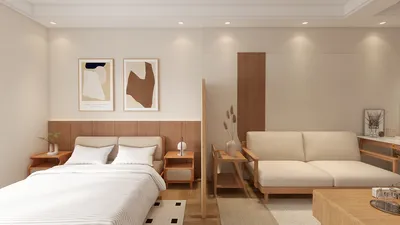


I treat every kitchen as a compact design studio, where the interplay of light, color, and ergonomics creates a functional yet welcoming environment. It's essential to understand that a well-lit kitchen involves not just brighter lights, but a thoughtful combination of layered illumination, tailored color schemes, and surfaces that effectively reflect light exactly where it’s needed.
Establishing Effective Lighting as a Foundation
Each task zone—be it food prep, cooking, or cleaning—requires specific lighting to meet certain objectives. According to the Illuminating Engineering Society, kitchens should feature task lighting around 300–500 lux for food preparation, while ambient lights should hover at slightly lower levels for optimal contrast and comfort. For a warm and inviting atmosphere, I aim to maintain correlated color temperatures (CCT) around 3000–3500K in the evenings, rising to 4000K during the day. Furthermore, enhancing vertical illuminance on walls—rather than just focusing on the countertop—can significantly create a more expansive and illuminated feel in the room.
Choosing Colors that Illuminate Without Overpowering
Color has a profound impact on perceived brightness and even appetite. Invigorating warm reds and citrus shades evoke energy, while soothing cool blues and muted greens promote relaxation—insights echoed in color psychology research. To achieve a balance of brightness without overwhelming the senses, I select high-light-reflectance-value (LRV) paints (LRV 70-85) for upper cabinets and walls, complemented by vibrant accent colors on stools, small gadgets, or an isolated cabinet bank. This approach fosters an atmosphere where light is maximized, while also injecting character into the space. For those sensitive to visual chaos, I recommend a dominant neutral palette (60%), a secondary mid-tone (30%), and striking accent colors (10%).
Designing a Layout to Optimize Light Capture and Reflection
Prior to finalizing fixtures, it’s critical to assess the kitchen's spatial flow and sightlines. Ideally, prep areas should align with windows, while tall cabinets should be restricted to a single wall to prevent obstructing natural light. I rely on a room layout tool to visualize different configurations, ensuring efficient movement, daylight access, and proper distances within the task triangle. It’s advisable to maintain a minimum of 42 inches (1067 mm) between counters in work aisles and up to 48 inches (1219 mm) for shared cooking spaces to reduce shadows and enhance both safety and efficiency.
Implementing Layered Lighting: Ambient, Task, Accent, and Spark
- Ambient: Seamless linear lighting or low-glare ceiling fixtures form the foundation. Position downlights approximately 4–5 feet apart for an 8–9 ft ceiling, while wall-wash trims should target vertical surfaces to uplift brightness perceptually.
- Task: Continuous under-cabinet LEDs (90+ CRI) positioned 2–3 inches from the cabinet edge eliminate shadows and enhance counter visibility. Aim for a lighting level of 300–500 lux.
- Accent: A slim LED strip above floating shelves or inside glass-front cabinets can illuminate items without contributing to overall glare.
- Spark: A standout pendant or double fixtures above the kitchen island should hang at eye-pleasing heights (30–34 inches above the countertop). Opt for diffusers or textured glass to soften contrasts.
Selecting Countertops, Backsplashes, and Finishes that Enhance Light
Polished or honed quartz with fine speckles reflects light more effectively than heavily veined, ultra-matte materials. In terms of backsplashes, glossy ceramic zellige or crackle-glaze tiles serve as miniature light reflectors; for a matte finish, choose lighter tones with subtle mica or pearl elements to create micro-reflectivity. It’s best to avoid high-gloss finishes on large vertical surfaces directly across from bright windows, as this can lead to distracting reflections. I recommend balancing finishes: satin for walls, honed or matte for countertops, and semi-gloss for trims and ceilings to enhance light without creating glare.
Using Hardware, Fixtures, and Metal Finishes to Add Brightness
Brushed brass, polished nickel, or champagne bronze fittings introduce ‘sparkle points’ that brighten the overall aesthetic. I strategically place small luminous details, such as cabinet pulls, tapware, and toe-kick trims, allowing the eye to encounter cheer throughout the room instead of concentrating on a single, harsh focal point. If the kitchen leans towards a cooler palette (blue-gray), polished nickel is my choice; for warmer tones (tan, cream), brushed brass offers a cohesive look.
Prioritizing Ergonomics: Illumination Where It’s Needed Most
Functional design must incorporate brightness where it counts. Frequently accessed drawer heights should range between 24–48 inches for ergonomic wrist positioning. Under-cabinet lighting should be directed forward to illuminate work zones rather than the backsplash. Specific task lighting at the sink and cooktop should keep luminance ratios between the work surface and surrounding areas below 3:1 for optimal comfort. Additionally, adjustable stools at the island (25–26 inch seat height for a 36 inch counter) accommodate users efficiently, promoting neutral knee angles.
Employing a Daylight Strategy: Capture, Reflect, and Balance
When structural adjustments are feasible, widening openings or incorporating transoms can help harness more natural light. Light shelves or deep window jambs painted in a high-LRV satinfinish can scatter daylight inward. Warm, pale ceiling paints (slightly under-tinted) can effectively bounce light back down into the room. In cases where afternoon glare is a concern, employing sheer roller shades with side channels permits diffused brightness without harsh spots. It’s essential to keep window mullions slim to maximize the passage of visible light.
Creating Acoustic and Visual Calm
Bright does not equate to noisy. Hard surfaces that reflect light can increase echo time. To counter this, I incorporate micro-perforated wood panels on feature walls, acoustic underlay beneath hard floors, or fabric cushions on benches. A quieter kitchen enhances speech clarity and overall order, making the space feel brighter and less chaotic. Maintaining continuous lines on upper cabinets and aligning reveals can create an intentional appearance of brightness rather than visual busyness.
Storage Solutions That Enhance Visual Appeal
Glass-front upper cabinets or open shelves integrated with 2700–3000K LEDs create curated 'glow boxes'. Limiting exposed items to a cohesive color scheme ensures a clean aesthetic. Inside deep base cabinets, illuminated pull-outs can prevent the 'black hole' effect that can dim an otherwise bright kitchen.
Bold Surfaces Utilizing Highlighter Design
For those seeking a bold touch, consider selecting one surface to be vibrant: a colorful kitchen island, a richly enamelled appliance panel, or a sculptural range hood. Adjacent surfaces should maintain higher LRV neutrals to ensure the accent color appears luminous and not weighty. I frequently echo the accent in one or two smaller details—such as a vase or fabric on a stool—to create rhythm without clutter.
Sustainability and Easy Maintenance
Utilize high-CRI, ENERGY STAR certified LEDs to minimize energy consumption while remaining true to food colors. Opt for durable, low-VOC paints and sealants. Light-hued engineered quartz countertops resist staining better than porous materials, reflecting more light per watt used. Select finishes that are easy to maintain—consistent brightness relies on clean reflectors and lenses; I specify easily removable, wipeable diffusers for pendants over cooking areas.
Human-Centered Lighting Controls
Dimmers and scene presets allow for swift transitions from bright work areas to warmer, softer dining settings. Consider tunable white lighting with a temperature range from 2700–4000K to sync with daily routines; evening meals benefit from warmer settings, which diminish blue light while maintaining clarity on the plate. Ensure controls are conveniently accessible at multiple entry points of the room to optimize workflow and safety.
Embracing Trends for 2024–2025
- Sleek, edge-lit panels designed to create seamless, shadow-free ceilings.
- Micro-textured, light-reactive backsplashes presenting in pearl and chalk finishes.
- Subtle under-shelf lighting systems replacing traditional puck lights.
- Bold islands in vibrant shades like tomato red, eucalyptus green, or ink blue, surrounding neutral tones.
- Blended metallics (brass paired with nickel) providing a balanced look of warmth and brightness.
Quick Changes for Significant Impact
- Replace opaque pendants with seeded or opaline glass fixtures to diffuse hotspots.
- Introduce LED tape beneath shelf or cabinet edges for additional illumination.
- Apply a ceiling paint that is a half-shade lighter than the walls to enhance perceived height and luminosity.
- Use a light, continuous runner with a subtle sheen to augment lighting along walkways.
- Swap dark outlet plates for paintable, low-profile versions to ensure a clean visual flow.
Frequently Asked Questions
Aim for 300–500 lux on counters for tasks like chopping and mixing, while maintaining slightly lower ambient lighting levels. The IES home lighting guidelines align with these recommendations.
Set a warm atmosphere with 3000–3500K lighting to accurately illuminate ingredients while creating a cozy environment. If your kitchen receives ample daylight, consider a balance with 3500–4000K to harmonize cool natural light during the day.
Glossy surfaces enhance reflectivity but can lead to glare. A combination of satin walls, semi-gloss ceilings, and honed or matte countertops works well to reflect light while avoiding distracting, veiling reflections.
Place lighting fixtures toward the front lower edge of cabinets, around 2–3 inches from the edge, to illuminate the working area and prevent shadows on the backsplash.
Maintain a balanced ratio with a light neutral base (60%), a supporting mid-tone (30%), and a vibrant accent color (10%) on islands, stools, or select cabinets.
Opt for 90+ CRI LEDs for accurate rendering of food and materials. High CRI also significantly enhances contrast and color differentiation while cooking.
Consolidate tall storage components along one wall and align prep zones with natural light sources, ensuring 42–48 inches of space between aisles. Using a kitchen layout planner enables you to visualize circulation, natural light access, and task zones before selecting fixtures.
Utilize diffused pendants, lower beam angles, and wider shade designs. Incorporating wall-washers improves vertical brightness, allowing the eyes to adjust to an evenly lit field.
Switch to 3000K, 90+ CRI LEDs; introduce peel-and-stick LED strips under cabinets; favor lighter fabrics, and introduce reflective elements like glass or mirrored backsplashes behind appliance zones.
Absolutely, particularly if you engage the space throughout the day. Transitioning from 4000K daytime scenes to 2700–3000K evening settings promotes comfort and visual clarity at various times.
Opt for light-hued engineered quartz countertops, satin paint for walls, and ceramic or porcelain tiles featuring subtle sheen. These materials are easy to clean while ensuring consistent reflectance.
For islands ranging from 5–7 feet, two medium pendants spaced evenly work effectively; for longer configurations, three smaller fixtures or a linear bar can eliminate dark gaps.
Yes, especially with thoughtful integrated lighting and clean styling. Limit items to a harmonious palette to ensure that shelves serve as illuminated accents rather than sources of visual clutter.
Incorporate a dedicated range hood light featuring a high CRI and a broad beam angle, ensuring ambient lighting isn’t positioned directly behind your head to prevent shadows.
What began as an Autodesk innovation has evolved into a design platform used by more than 18 million people around the globe. Homestyler combines powerful rendering, an intuitive editor, and a vast furniture library to help you turn inspiration into photorealistic designs — whether you're redesigning a single room or planning an entire home.
Homestyler is an amazing online platform for home design enthusiasts! With its user-friendly design tool, stunning 3D renderings, and a wealth of DIY video tutorials, you can effortlessly turn your creative ideas into reality. Discover endless inspiration and elevate your home today!
Projete agora para LIVRE
































