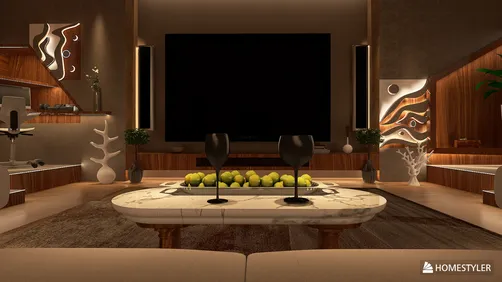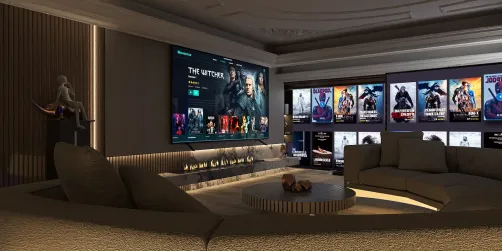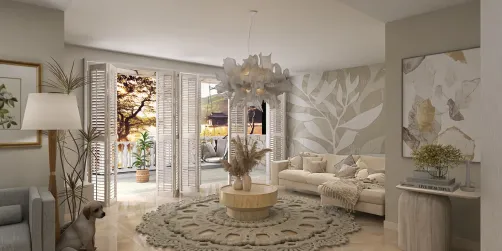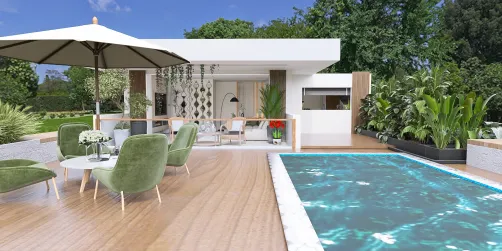
I view a preparation room as the engine room of any operation: efficient, compact, and precisely designed. Whether in healthcare, education, hospitality, or scientific labs, success under pressure hinges on the seamless integration of workflow, hygiene, storage, lighting, and acoustics. This translates into zoning tasks appropriately and customizing fixtures and materials to meet those needs. Research supports this approach; studies from the Gensler Research Institute show that well-structured environments lead to dramatic improvements in focus and efficiency. Steelcase also highlights that matching environments to task requirements minimizes interruptions and enhances team productivity. This connection is something I consider from the initial design phase, utilizing tools like Homestyler for planning.
Lighting and ergonomics are pivotal elements that cannot be overlooked. The WELL v2 guidelines stress the importance of high-quality lighting and strategies that enhance visual comfort to lower eye strain and error rates. Following the IES principles for task lighting, I implement a layered lighting approach to ensure optimal illuminance for detailed tasks. For elongated standing periods, I prioritize ergonomic standards to mitigate fatigue and musculoskeletal issues. My designs typically incorporate adjustable task lighting, achieving around 300–500 lux for general preparations and increasing to 750–1000 lux for precision tasks—these choices significantly enhance accuracy and comfort.
Define the Purpose and Flow
Each preparation room design starts with a straightforward sequence: receive → stage → process → package/dispatch → clean/reset. I illustrate these steps on a unified plan, assessing adjacency requirements and identifying any potential cross-traffic that could introduce delays or contamination risks. To foster flexibility and iterative design, I utilize a room layout tool to quickly simulate circulation paths and storage density, ensuring efficiency before any construction commitments are made. Frequently, I conduct rapid iterations with layout simulation tools like Homestyler to evaluate flow at various staffing levels.
Right-Size the Zones
Limited space necessitates a careful balance between aisle dimensions, bench depth, and storage access alongside throughput goals. For individual workstations, I ensure clear aisles of 900–1050 mm, while shared corridors benefit from a width of 1200–1350 mm. Deep storage solutions are designed to open away from main traffic areas to prevent bottlenecks. I prefer modular bench designs (600–750 mm depth), mobile carts for staging, and wall-mounted systems with labeled bins for frequently accessed items to minimize unnecessary bending or stretching.
Ergonomics That Hold Up Under Pressure
Preparation rooms require efficiency without causing fatigue. Height-adjustable work surfaces (around 850–1000 mm for standing tasks), anti-fatigue flooring in high-duration areas, and sit-stand workstations near precision operations help maintain neutral body positions. Incorporating tool balancers for heavier instruments and utilizing under-cabinet task lights alleviates physical strain. Additionally, accommodating clear knee space under specific bench sections supports seated work when stability is crucial. For areas involving heavy lifting, I arrange storage at elbow height, with the heaviest items positioned between 60–120 cm from the ground to protect lower back health.
Lighting: Precision Without Glare
Layered lighting is key: I ensure an even ambient illumination for safe movement, complemented by targeted task lighting where precision is vital. I maintain ambient levels around 300–400 lux, paired with adjustable task lighting featuring a color temperature of 4000–5000K for accurate color rendering while minimizing eye strain. Techniques like diffused lens installations, under-cabinet strips, and glare-reducing louvers help combat reflections from glossy surfaces. For inspection-related tasks, I utilize high CRI sources and focus localized lighting to achieve 750–1000 lux to grant teams clarity without excessive brightness across the entire space.
Hygiene, Materials, and Cleanability
Materials must convey cleanliness and ease of maintenance. I specify non-porous, chemical-resistant countertops—such as compact laminate, solid surface, or stainless steel—with features like radius corners and integrated backsplashes that facilitate simple wipe-downs. Transitions from floor to wall should be crevice-free, and sealed joints around sinks help reduce potential contamination points. In high-humidity areas, I recommend slip-resistant flooring with appropriate R-ratings and easy-to-sanitize wall panels to optimize maintenance efforts. Additionally, when acoustics allow, I choose ceiling tiles made from washable, antimicrobial materials to enhance hygiene and sound absorption.
Acoustics for Focus and Communication
Preparation rooms can be noisy—due to equipment operation, cart movement, ventilation, and conversation. To manage background noise, I opt for quieter equipment models, implement vibration isolation methods, and balance hard, cleanable surfaces with strategic sound absorption (NRC 0.70+ ceilings when hygiene permits). In spaces where verbal exchanges occur frequently, ensuring speech clarity is vital; I integrate zoned absorption over handoff areas and use rubberized wheels for carts to markedly improve communication effectiveness during daily operations.
Storage Density Without Chaos
The storage layout should align with workflow dynamics. High-demand items should be placed at shoulder to waist height for easy access, while slower-moving goods are stored above or below. I prefer open shelving for frequently used items and enclosed storage for sensitive materials. Utilizing clear bins with color-coded labels and a FIFO (first-in, first-out) arrangement helps minimize waste. To account for seasonal needs, I allocate mobile caddies that can be parked along a shared wall, thereby maintaining a stable and predictable core room layout.
Utilities and Safety
Incorporating power, data, water, and ventilation into the workflow is crucial from the beginning. It’s essential to have dedicated circuits for equipment that generates heat, GFCI outlets near wet zones, and adequate make-up air for fume or steam management, alongside accessible shut-off controls. Visual indicators—such as floor markings for cart parking, wall graphics for PPE areas, and color-coding for hoses or outlets—are invaluable for reducing errors during busy operations. I also prioritize waste segregation at arm's reach of working areas, categorizing waste for general disposal, recycling, and special materials to facilitate compliance effortlessly.
Color Psychology and Visual Balance
Colors influence behaviors and environments. I favor calming neutrals complemented by a single accent color to aid in navigation and cut down on visual distractions. For extended focus, I select mid-tone neutrals with low saturation to minimize glare and visual fatigue, while vibrant accents clearly delineate different zones such as staging, cleanliness, and dispatch. Using cool-neutral lighting around 4000K maintains material integrity without overshadowing color-coded indicators. A balanced visual rhythm—consistent cabinet lines, aligned sightlines, and proportional storage bays—reinforces order and mitigates cognitive overload.
Flexibility and Future-Proofing
Preparation rooms need to adapt over time. I design for flexibility, incorporating adjustable shelving standards, mobile worktables on locking casters, ceiling service panels allowing for future requirements, and modular power strips installed beneath benches. This adaptability allows teams to increase the number of workstations as workloads grow, without requiring extensive redesigns. Before the build phase, I validate various staffing models with an interior layout planner to confirm clearances and task adjacency; the most cost-effective revisions take place on paper.
Ventilation, Thermal Comfort, and Odor Control
Thermal comfort plays a significant role in maintaining performance levels. I strive to achieve stable temperatures with minimal drafts at standing positions. Localized exhaust systems address heat or odors effectively, while adequate make-up air helps maintain comfort levels without chilling the entire area. Whenever feasible, I separate hot processes from precise tasks to create stable microclimates and mitigate stress on equipment.
Clean Workflows and Contamination Control
I ensure a clear flow from clean to dirty processes, avoiding backtracking. If both clean assembly and return processing occur within the same space, I either physically or temporally separate pathways. Hands-free fixtures (e.g., foot pedals or sensors), waste bins that are easily accessible at the point of use, and staging areas that signal flow direction support automatic compliance during peak times.
Commissioning and Training Aids
Even the best-designed spaces require a commissioning process. I recommend implementing simple standard operating procedure visuals at eye level, checklists accessible via QR codes, and shadow boards that present tools in their respective shapes. During the initial weeks, I conduct layout reviews to gather user insights, making necessary adjustments to shelf heights, adding hooks, or renaming zones. These minor changes can lead to significant improvements when the pace of work increases.
FAQ
For general preparations, I aim for ambient lighting levels of 300–400 lux. Precision tasks typically require 750–1000 lux at the workplane, paired with high CRI lighting for optimal visibility. Incorporating glare control and adjustable task features ensures both comfort and accuracy, in line with IES lighting standards.
Single-user aisles should operate efficiently at widths of 900–1050 mm, while shared aisles are more effective between 1200–1350 mm, especially in cases involving carts. I recommend testing configurations with full-scale mockups or utilizing a digital layout tool before finalizing designs.
Materials such as stainless steel, solid surface, and compact laminate excel in terms of non-porosity and chemical resistance. I incorporate radius corners and cove backsplashes to enhance cleaning efficiency while limiting areas where bacteria can thrive.
Incorporate washable, antimicrobial ceiling tiles with a higher NRC rating if space permits, complementing these with rubberized cart wheels and isolating vibrations. Instead of using fully rigid cubic structures, I utilize targeted sound absorption techniques at critical communication points to maintain clarity during interaction.
Typically, standing benches are set within the 850–1000 mm range. These surfaces should provide adjustability and knee space to accommodate various body types and postures during precision tasks.
Fast-moving items should be stored where they are easily reachable, ideally between 15–120 cm in height, while slow movers can be located higher or lower. I implement clear labeling, color coding, and FIFO (first-in, first-out) systems. Heavy items should be stored between 60–120 cm to minimize lifting hazards.
Establish directional workflows that either physically or temporally prevent backtracking. Using hands-free devices, point-of-use waste separation, and clear graphic instructions are critical for maintaining compliance during high-capacity periods.
Opt for mid-tone neutrals paired with limited accent colors to reduce visual chaos and glare. Color should strategically designate zones rather than contribute to visual overload. Maintaining neutral 4000K lighting supports material color integrity without diminishing visual clarity.
Choose adaptable solutions such as modular benches, mobile carts, slotted shelving standards, and easily accessible ceiling service panels. Confirm new staffing configurations using an interior layout planner before finalizing any construction.
Running a pilot week to collect user feedback allows for necessary adjustments to shelf heights, labels, and lighting configurations. Document standard operating procedures using clear visuals and shadow boards to reinforce effective habits.

Homestyler is your go-to platform for effortless home design. Its user-friendly online design tool, stunning 3D renderings, and helpful DIY video tutorials empower you to create beautiful spaces. Whether you’re a beginner or a seasoned designer, fun and inspiration await you!