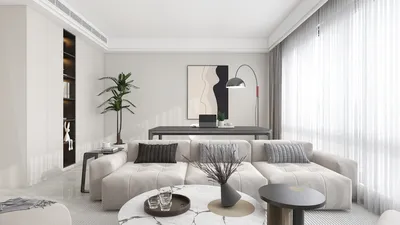


Once, a client challenged me to fit a boardroom table, a whiteboard wall, and a coffee bar into a 10'x12' space. My initial reaction was laughter, but soon I was sketching furiously. Working with small areas compels you to prioritize effectively, which is why I always commence with an innovative layout design to ensure nothing feels like an afterthought. Cramped spaces can ignite massive creativity, and in this article, I will share five practical ideas that I frequently apply to optimize compact conference rooms with the help of Homestyler.
1. Float furniture for better flow
I enjoy moving furniture slightly away from walls to establish pathways; although it may seem counterproductive, it enhances visibility and prevents the space from appearing enclosed. This approach not only facilitates better movement but also creates the impression of a larger area. The minor drawback involves managing cables and ensuring stability for heavier items.
2. Utilize multifunctional surfaces
Rather than opting for a single large table, I recommend using nesting tables or a modular design that can serve as a presentation bench. This allows for flexibility during workshops and maximizes usable space. There are cost-effective solutions available, though custom pieces may be pricier; I often merge standard legs with a bespoke tabletop to achieve a polished look.
3. Enhance light and mirrors
Mirrors, high-gloss finishes, and varied lighting can transform a tiny meeting space, making it feel significantly brighter than plain drywall would allow. I sometimes place a narrow mirror panel opposite a window to reflect natural light and incorporate adjustable pendant lighting for tasks—resulting in a setting that is both professional and serene. For clients keen on visualization, I utilize Homestyler to create digital representations, allowing them to see how light interacts with space before purchasing any fixtures.
4. Focus on acoustics and technology
Crystal-clear audio is essential in smaller rooms where sound easily reverberates; textured wall panels or fabric acoustic solutions are very effective. Integrating technology (like wireless presentation aids and concealed power outlets) keeps surfaces clutter-free, although it requires some foresight to conceal wiring neatly.
5. Create zones with color and seating arrangements
Applying a harmonious color palette can bring cohesion to the area, but introducing a contrasting hue on one wall helps anchor the room and establish a visual focal point. Combine this with a strategic seating approach—mixing slim chairs with benches or stools—to accommodate both larger groups and intimate meetings. The only compromise is finding balance between aesthetics and comfort; I always test seating options beforehand.
FAQ
Q1: What layout is best for small conference rooms?
I suggest a modular setup that can transition between boardroom and workshop layouts, striking a balance between collaboration and clear sightlines.
Q2: How can I make a small meeting room appear larger?
Opt for light hues, reflective finishes, vertical storage, and avoid heavy draperies; these methods enhance the perception of space without extensive renovations.
Q3: What is the suitable lighting level for meetings?
The Illuminating Engineering Society (IES) recommends that meeting rooms aim for approximately 300–500 lux for everyday tasks. Using a blend of ambient, task, and accent lighting yields the best outcomes.
Q4: How many occupants can fit in a small conference room?
It varies depending on the arrangement: a 10'x12' space typically accommodates 6–8 individuals around a rectangular or modular table, allowing for movement and AV equipment.
Q5: Any advice for audio in compact rooms?
Utilize soft materials such as acoustic panels, area rugs, and fabric seating to minimize sound reverberation; a compact ceiling microphone or soundbar is often sufficient for conferencing purposes.
Q6: Should I consider investing in custom furniture?
Custom pieces can optimize every inch of space, though at a higher cost; a hybrid strategy—combining bespoke built-ins with modular options—frequently provides the best return on investment.
Q7: How can I incorporate plants without overcrowding?
Select vertical planters or slim tabletop succulents, positioning greenery near light sources; plants enhance air quality and reduce visual fatigue.
Q8: Where can I experiment with seating and layouts before making a purchase?
I often create rapid mockups or utilize an online room designer to explore layouts; this enables clients to test scale and movement virtually before finalizing decisions. Using Homestyler for seating strategy previews can significantly streamline the process, avoiding unnecessary back-and-forth.
Homestyler is your go-to online platform for home design! With its user-friendly design tool, stunning 3D renderings, and an array of inspiring design projects and video tutorials, you can effortlessly transform your vision into reality. Start designing your dream space today!
Projete agora para LIVRE
































