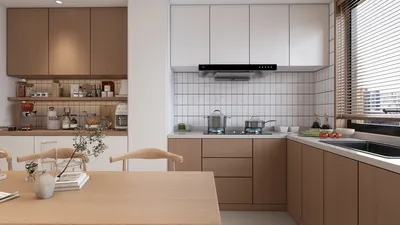


Compact Indian residences can accommodate delightful dining experiences when every inch is optimized for functionality. My focus is on versatile designs, strategically planned lighting, and color palettes that reflect cultural heritage, all aimed at transforming small dining areas into inviting, social spaces that require minimal upkeep—even in apartments under 700 sq ft. Comfort is quantifiable: WELL v2 suggests an ambient dining light level of 300–500 lux with minimal glare, while warm LEDs between 2700–3000K enhance relaxation during meals and evening activities. Complement this with task lighting near sideboards, targeting 150–300 lux to make serving easy without overwhelming the table.
Every design choice is guided by proportion and ergonomics. Research from Steelcase connects posture, mobility, and environment with feelings of comfort and engagement—areas that promote easy reach and smooth circulation keep diners actively participating at the table. In a compact dining nook measuring 6–8 ft, I prioritize a 36 in (915 mm) clearance around the dining table and a minimum of 24 in (610 mm) per diner; a round table measuring 36–42 in comfortably seats four without making the space feel cramped and facilitates movement in narrow areas. The Illuminating Engineering Society recommends managing luminance ratios and glare; a dimmable pendant light hung at 28–34 in above the table keeps faces well-lit and food more appealing.
Design Intent: Small Space, Big Heart
Dining in India is deeply rooted in togetherness, much like the thalis served. I envision designs that allow for seamless transitions from kitchen to dining room, flexible seating for unexpected guests, and storage solutions that honor everyday steel dabbas alongside cherished dinnerware. A compact dining room must adapt from casual weekday breakfasts to lavish festive meals without the need to haul extra furniture into the living space.
Clever Layout Moves That Optimize Every Inch
- Opt for a round or soft-square table to alleviate circulation bottlenecks, while visually minimizing bulk in a small space.
- Select a 30 in table height with chairs that are 17–18 in high to maintain a comfortable 90–100° knee angle during extended meals.
- Consider a combination of bench and chairs: place a backless bench against the wall to conserve 8–12 in of clearance; retain one side with chairs for support.
- Position the table 12–15 in from the wall to enable side-slide seating when the area is tight.
- Plan for a wall-mounted console measuring 12–14 in deep for serving ware; this can also serve as a tea/coffee counter without obstructing pathways.
When exploring layout options or assessing dimensions, utilizing a lightweight interior layout planner enables you to experiment with table sizes, bench lengths, and necessary clearances before making purchases. Leverage a room layout tool to visualize movement patterns, lighting placements, and storage areas swiftly: this room layout tool can enhance your design process.
Color: Vibrancy Balanced with Restraint
Indian color schemes are vibrant—think saffron, indigo, turmeric, and rose—but small rooms call for equilibrium. I recommend painting walls in warm neutrals (ecru, almond, pale sand) and infusing vibrancy through textiles and tableware. Psychological studies on color indicate that warm tones foster an impression of coziness and sociability, while cooler shades can mitigate visual clutter. Maintain a light base, and then introduce a single, striking accent—mustard runners, emerald cushions, or a madder red focal point—to keep the visual interest intentional and uncluttered.
Lighting That Enhances Both Food and Faces
- Primary lighting: a dimmable pendant emitting 2700–3000K light, providing 300–500 lux directly over the table for dining; increase brightness to 400–600 lux for tasks like homework or board games.
- Secondary lighting: wall sconces or LED strips integrated into the crockery unit for a gentle ambient glow of 100–200 lux; this visually expands the room without creating glare.
- Control features: a two-scene setting—meal and task—maintains a pleasant atmosphere while being energy efficient. Utilize matte diffusers, low UGR optics, and shaded bulbs to avoid harsh reflections on metal utensils.
Material Strategies: Durable, Easy to Clean, and Quiet
- Tabletops: Matte-finish engineered stone or sealed sheesham resists stains from curry better than traditional open-grain woods; if opting for marble, choose honed varieties with a penetrating sealer.
- Seating: Performance upholstery or woven cane are ideal choices, both breathable in humid conditions. Removable covers facilitate thorough cleaning after festive occasions.
- Flooring: A low-pile flatweave dhurrie defines the dining area, contributes acoustic absorption, and ensures stability under chair legs; an anti-slip underlay is recommended.
- Storage: Employ vertical crockery units featuring glass upper doors and enclosed bases, which help maintain accessibility for daily use while keeping heirlooms dust-free.
Acoustics That Facilitate Conversation
Hard surfaces can amplify sound in compact areas. I rely on layered textiles—such as a rug, linen table runners, and fabric wall art—to absorb sound. Aim for soft textures on at least two large surfaces (floor + one wall) to help create a space where voices are easily heard above clattering plates.
Spatial Relationships and Visual Balance
- Table-to-room ratio: Aim for the table diameter/width to occupy approximately 60–65% of the room width to ensure edges remain unobstructed.
- Pendant size: Should be approximately half to two-thirds the table width; larger shades at lower brightness create a softer ambiance than smaller, bright bulbs.
- Art size: One large piece (60–70% of the table width) can appear less cluttered than multiple small frames in a limited space.
Functional Storage Solutions
In Indian households, serveware can range from copper lotas to glass katoris. Design a daily use drawer at elbow height for placemats and cutlery, while festive wares can be organized in labeled baskets on the lower shelf. A narrow, tall storage unit (16–18 in wide) effectively houses pressure cooker accessories, table linens, and candles without intruding into walkways.
Optimal Lighting for Daily Function and Well-being
When it comes to evening meals, warm light is key for promoting relaxation. WELL v2 reinforces the importance of visual comfort and glare reduction; it’s crucial to maintain gentle luminance across the dining surface and surrounding areas to prevent suits if transitioning from bright plates to dark corners. If the dining area also functions as a workspace, implementing 3500–4000K task lighting with an aim for 500 lux on the workspace, and then dimming back to 300 lux for dinner can be a perfect solution.
Styling the Small Indian Dining Room
- Centerpiece: A low brass urli with floating jasmine keeps sightlines clear and adds a delicate touch.
- Textiles: Block-printed runners provide pattern without overwhelming the space; pair them with simple napkins to minimize visual clutter.
- Tableware: Combine stoneware plates with stainless-steel tumblers for a modern yet traditional feel; limit colors to two tones for cohesiveness.
- Greenery: Consider adding tulsi or money plants near windows; avoid large planters in narrow walkways to maintain flow of movement.
Flexible Seating Arrangements
- Daily seating for four: Use a 38–40 in round table with two chairs plus one 36 in bench fitted against the wall.
- Accommodating up to six guests: Introduce two stackable chairs and switch to buffet-style service from the console.
- Kids’ homework zone: Brighten the area to 400–500 lux, add a wipeable mat, and keep utensils in the top drawer of the console.
Trends for 2024–2025 Suitable for Compact Indian Homes
- Slim-profile extendable tables featuring rounded corners for safety and ease.
- Hybrids of cane and solid wood materials bring a breathable, heritage feel.
- Micro-LED pendant lights with high color rendering (CRI 90+) that enhance the presentation of food.
- Wall-mounted fold-down tables serving as practical tea service surfaces.
- Earthy mineral shades such as terracotta and limewash neutral tones complemented by one vibrant accent color.
Budget-Friendly Enhancements
- Substitute a conventional bulb for a dimmable warm LED and add a stylish drum shade for immediate comfort.
- Install a floating shelf measuring 12 in deep with hooks for mugs and table runners for easy access.
- Select stackable dining chairs crafted from ash or beech; these can be tucked away during pooja gatherings to save space.
- Consider peel-and-stick grasscloth wallpaper on one wall to introduce texture without the heaviness.
Practical Workflow Insights
In managing compact projects, I start by measuring clearances, marking potential table sizes with tape on the floor, checking pendant heights with temporary bulbs, and living with it for two evenings. If family movement flows smoothly and conversations can be held at a normal volume, then my design approach is close to successful. Only then do I finalize furniture orders.
References That Form the Basis of My Specifications
I calibrate illumination and comfort levels against reputable sources: utilizing WELL v2 for visual comfort metrics and dimming strategies, along with insights from Steelcase regarding participation and posture has helped in aligning my furniture selections with user behavior. For further reading, visit wellcertified.com and steelcase.com/research.
FAQ
Aim for a clearance of 36 in (915 mm) whenever possible; it's acceptable to manage with 30 in on one side if the opposite side provides 36–42 in for main traffic. Round tables simplify navigation in tight spaces.
Choosing round or soft-square tables diminishes sharp corners and visually minimizes bulk. A 36–42 in round table easily accommodates four people without dominating the room.
For relaxed dining, warm lighting at 2700–3000K is ideal, with ambient levels of 300–500 lux on the tabletop; if the space also serves for work, incorporate a switchable 3500–4000K task lighting option.
Layering a flatweave rug, fabric runner, and an upholstered element (like a bench seat or curtains) softens sound in the room. Ensuring a minimum of two large surfaces are treated helps reduce reverberation significantly.
Honed engineered stone, sealed sheesham, and high-quality laminated materials with a matte finish provide better resistance to stains from turmeric and oil than traditional open-pore timbers or unsealed marble.
Absolutely. A backless bench positioned against a wall can save 8–12 in of clearance and still comfortably seat two adults.
Typically, pendant lights should hang 28–34 in above the tabletop. Adjustments can be made to keep sightlines clear and reduce glare from plates; employing dimmers adds flexibility in brightness levels.
Consider installing a wall-mounted console at 12–14 in depth or selecting a narrow tall unit around 16–18 in wide. Mix glass cabinetry for display with closed compartments for everyday items.
Keeping walls light and incorporating a single saturated accent via textiles or a designated niche can enhance the overall aesthetic. Limit the color palette to two or three coordinated hues to maintain visual clarity.
Seat height should be 17–18 in, with a seat depth of 16–18 in, ensuring a supportive back. It's advisable to allow about 24 in of width per diner around the table.
Yes, as long as the closed dimensions are suitable for daily use while accommodating proper clearances. Opt for rounded corners and ensure extension leaves are stored within the table when not in use.
Utilize painter’s tape on the floor to simulate sizes and test movement for a few days. For rapid changes and visualizations, incorporate an interior layout planner tool like Homestyler to simplify the design process.
Homestyler is your go-to online home design platform, perfect for both novices and pros. With its user-friendly design tool, stunning 3D renderings, and a wealth of inspiring design projects and video tutorials, transforming your space has never been easier!
Projete agora para LIVRE
































